
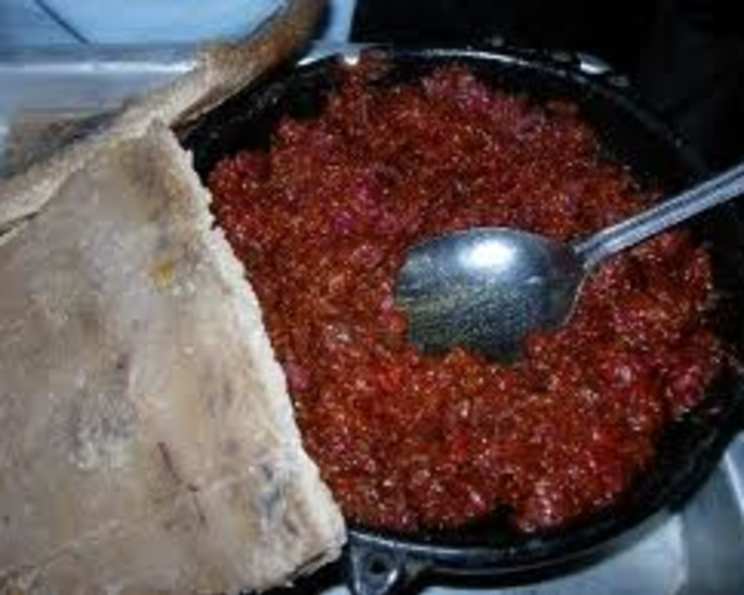
Kitfo: An Ethiopian Steak Tartare
The first time I tasted kitfo, I was a wide-eyed culinary student on a scholarship trip to Addis Ababa. The vibrant spice markets, the aroma of roasting coffee, and the warmth of Ethiopian hospitality were intoxicating. But it was the kitfo, served with a dollop of ayibe (Ethiopian cheese) and rolled in injera, that truly captured my heart. The tender, finely minced beef, infused with the fiery mitmita and rich niter kibbeh, was an explosion of flavors and textures unlike anything I had ever experienced. It was then I knew my culinary journey would forever be intertwined with the soulful cuisine of Ethiopia.
Recipe Overview
- Prep Time: 30 minutes
- Cook Time: 5 minutes (optional)
- Total Time: 35 minutes
- Servings: 6
- Yield: About 6 servings
- Dietary Type: Dairy-Free (if using a dairy-free butter alternative), Gluten-Free (if served with gluten-free Injera)
Ingredients
- 2 lbs top round beef (freshly cut)
- 6 teaspoons ground cayenne pepper (Mitmita*)
- 4 tablespoons clarified butter (Nitir Kebe)
- 1 teaspoon cardamom powder (korerima)
- 1⁄4 teaspoon garlic powder (optional)
- Salt and black pepper to taste
Equipment Needed
- Food processor
- Small pot
- Fork
- Spoon
- Serving dish
Instructions
-
Begin by meticulously preparing the beef. Cut the top round into small, manageable pieces, ensuring to remove any visible fat and seams. The quality of the beef is paramount for this dish, so choose a reputable butcher and select a cut known for its tenderness.
-
Next, finely mince the beef using a food processor. Work in small batches, adding a portion of the mitmita to each batch as you grind. The mitmita will not only impart its characteristic heat but also help to break down the meat fibers. Pulse the food processor until the beef is finely chopped but not pureed.
-
After each batch is ground, transfer the spicy ground beef to a dish. Use a fork to carefully remove any remaining bits of fat or seams that may have been missed during the initial preparation. This step is crucial for achieving the desired delicate texture of the kitfo. Repeat this process until all the beef is finely ground and seasoned.
-
Now, prepare the spiced butter. In a small pot, gently melt the clarified butter (Nitir Kebe) over low heat. Add the remaining mitmita, cardamom powder (korerima), and, if desired, the garlic powder, black pepper, and salt. Stir the mixture well to combine the spices and allow them to infuse the butter with their aromatic essence. Remove the pot from the heat.
-
Combine the spicy ground beef with the spicy butter in a large bowl. Use a fork and spoon to thoroughly mix the ingredients, ensuring that the beef is evenly coated with the spiced butter. This step is essential for marinating the beef and developing its complex flavor profile.
-
Traditionally, kitfo is served raw. Place the marinated kitfo in a lightly warmed serving dish and serve immediately with Injera or bread. The warmth of the dish will gently melt the butter, enhancing the dish’s richness.
-
Optional Sauté: If preferred, for those less accustomed to eating raw beef, the marinated kitfo can be gently sautéed. Heat a skillet over medium heat and add the marinated meat. Cook for two to three minutes, stirring constantly, until the beef is lightly browned and warmed through. Be careful not to overcook the beef, as this will result in a tough texture.
Note: As Kitfo is traditionally an uncooked dish, the choice of high-quality meat and meticulous cleanliness is of utmost importance. Source your beef from a trusted butcher and ensure all surfaces and utensils are thoroughly cleaned before starting the preparation.
- You will find these spices in Ethiopian or Indian shops/groceries.
Expert Tips & Tricks
- Meat Selection is Key: Opt for a cut of beef that is naturally tender and lean, such as top round or sirloin. Ask your butcher to grind the meat fresh for you to ensure the highest quality and safety.
- Adjusting the Spice Level: Mitmita can be quite spicy, so adjust the amount to your personal preference. Start with a smaller amount and taste as you go, adding more until you reach your desired level of heat.
- Keeping it Cold: To maintain the best texture and prevent bacterial growth, keep the beef as cold as possible throughout the preparation process. Chill the meat in the freezer for 15-20 minutes before grinding to firm it up.
- Vegan Adaptation: While traditionally made with beef and clarified butter, a vegan version can be made using finely chopped mushrooms (such as cremini or shiitake) and a vegan butter alternative. Be sure to adjust the spices to complement the mushroom flavor.
- Flavor Enhancers: Some cooks like to add a touch of awaze (Ethiopian chili paste) to their kitfo for an extra layer of flavor and heat.
Serving & Storage Suggestions
Kitfo is traditionally served immediately after preparation to ensure the freshness and quality of the ingredients. It is best enjoyed with warm Injera, a spongy flatbread that serves as both a plate and utensil. A side of ayibe (Ethiopian cheese) or yogurt can provide a cooling contrast to the spicy kitfo.
Storage: Due to the raw nature of the beef, it is not recommended to store leftover kitfo for extended periods. If you must store it, refrigerate it immediately in an airtight container and consume it within 24 hours. However, bear in mind that the texture and flavor may deteriorate. It is generally not recommended to freeze kitfo.
Nutritional Information
Here’s the estimated nutritional information per serving:
| Nutrient | Amount per Serving | % Daily Value |
|---|---|---|
| Calories | 341 kcal | 17% |
| Total Fat | 22 g | 34% |
| Saturated Fat | 11 g | 53% |
| Cholesterol | 113 mg | 38% |
| Sodium | 77 mg | 3% |
| Total Carbohydrate | 1 g | 0% |
| Dietary Fiber | 1 g | 4% |
| Sugars | 0 g | 0% |
| Protein | 33 g | 66% |
Nutritional information is an estimate and may vary based on specific ingredients and preparation methods.
Variations & Substitutions
- Spicier Kitfo: Increase the amount of mitmita for a more intense heat. You can also add a pinch of cayenne pepper for an extra kick.
- Milder Kitfo: Reduce the amount of mitmita or substitute it with a milder chili powder. You can also add a dollop of yogurt or sour cream to temper the spice.
- Vegetarian Kitfo: Substitute the beef with finely chopped mushrooms or lentils. Adjust the spices to complement the vegetarian ingredients.
- Regional Variations: Some regions in Ethiopia use different spices or cooking methods for kitfo. Experiment with adding spices like besobela (Ethiopian basil) or korarima (Ethiopian cardamom) to create your own unique variation.
- Low-Carb Option: Serve the kitfo over a bed of cauliflower rice instead of Injera.
FAQs (Frequently Asked Questions)
Q: Can I use a different cut of beef?
A: While top round is recommended for its tenderness and leanness, you can also use sirloin or tenderloin. Avoid using tougher cuts, as they will not produce the desired delicate texture.
Q: Can I make kitfo ahead of time?
A: It’s best to prepare and serve kitfo immediately to ensure the freshest taste and texture. However, you can grind the beef and prepare the spiced butter ahead of time and combine them just before serving.
Q: Is it safe to eat raw beef?
A: Consuming raw beef always carries a risk of foodborne illness. To minimize this risk, use high-quality, freshly cut beef from a reputable source and maintain strict hygiene practices throughout the preparation process. If you are concerned, you can lightly sauté the kitfo before serving.
Q: Where can I find Mitmita and Niter Kibbeh?
A: You can find these ingredients at Ethiopian or Indian grocery stores. You can also order them online. If you cannot find niter kibbeh, you can substitute it with regular clarified butter or ghee.
Q: How do I know if the kitfo is properly marinated?
A: The kitfo is properly marinated when the beef is evenly coated with the spiced butter and the flavors have melded together. This usually takes about 15-20 minutes.
Final Thoughts
Kitfo is more than just a dish; it’s a celebration of Ethiopian culture and culinary artistry. It’s an experience that tantalizes the taste buds and connects you to the rich traditions of a vibrant land. While the thought of preparing raw beef might seem daunting, the reward is a truly unforgettable culinary adventure. I encourage you to gather your ingredients, embrace the process, and share this extraordinary dish with friends and family. And if you do, let me know how it goes – I’d love to hear about your experience and any creative twists you add along the way! Bete taem! (Enjoy your meal!)