
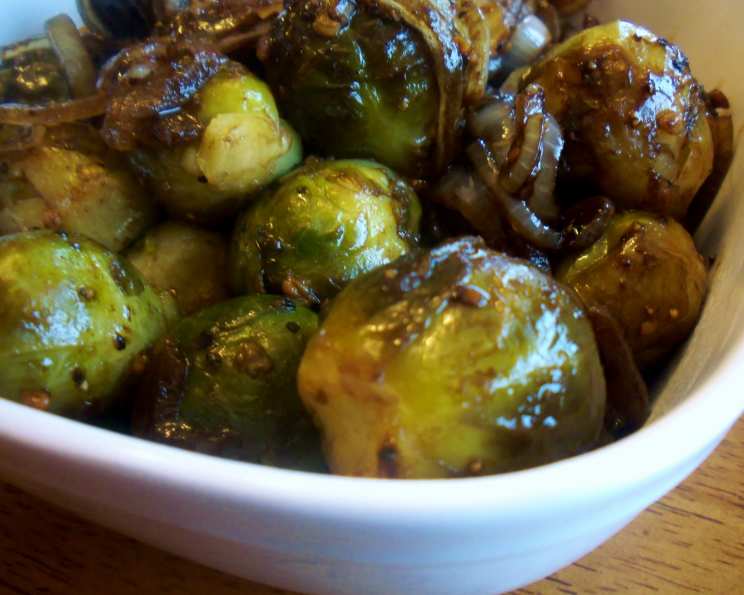
Brussels Sprouts With Balsamic Vinegar: A Culinary Revelation
I remember the first time I tasted Brussels sprouts prepared properly. It wasn’t the mushy, sulfurous version I’d been subjected to as a child. Instead, it was at a cozy Italian trattoria, where these miniature cabbages were transformed into something deeply flavorful and surprisingly addictive. The sweetness of the balsamic vinegar, the subtle sharpness of garlic, and the slight char on the sprouts themselves completely changed my perspective. I knew then that Brussels sprouts had the potential to be so much more than a dreaded side dish. This recipe captures that magic, offering a simple yet sophisticated way to enjoy these often-misunderstood vegetables.
Recipe Overview
- Prep Time: 10 minutes
- Cook Time: 20 minutes
- Total Time: 30 minutes
- Servings: 6
- Yield: About 6 cups
- Dietary Type: Vegetarian
Ingredients
- 1 1/2 lbs fresh Brussels sprouts
- 2 tablespoons olive oil
- 2 garlic cloves, peeled and sliced
- 1 medium yellow onion, peeled and thinly sliced
- 1/4 cup balsamic vinegar
- 2 tablespoons butter
- Salt & freshly ground black pepper to taste
Equipment Needed
- Large pot
- Large frying pan or skillet
- Colander
- Knife
- Cutting board
Instructions
-
Begin by prepping the Brussels sprouts. Trim off the stems and remove any limp or discolored outer leaves.
-
Next, blanch the prepared Brussels sprouts in a large pot of boiling water. Ensure the sprouts are fully submerged. Blanch for 5 minutes. This helps to reduce any bitterness and ensures even cooking.
-
After blanching, drain the Brussels sprouts using a colander and immediately rinse them under cold water to stop the cooking process. This step is crucial to maintain their vibrant green color and prevent them from becoming mushy. Set aside.
-
Now, heat a large frying pan or skillet over medium heat. Add the olive oil.
-
Once the oil is heated, add the sliced garlic and thinly sliced yellow onion to the pan. Sauté for a few minutes, stirring occasionally, until the onion becomes translucent and just begins to soften. Be careful not to burn the garlic.
-
Add the blanched and drained Brussels sprouts to the pan with the onion and garlic. Sauté for several minutes, stirring frequently, until the Brussels sprouts are cooked to your liking. They should be tender-crisp and slightly browned. The cooking time will depend on the size of your Brussels sprouts and your desired level of tenderness.
-
Pour the balsamic vinegar over the Brussels sprouts in the pan. Toss the sprouts thoroughly to ensure they are all evenly coated with the vinegar. The vinegar will deglaze the pan, lifting any browned bits from the bottom and adding depth of flavor.
-
Add the butter to the pan. Toss again until the butter is melted and evenly distributed. The butter adds richness and a beautiful sheen to the finished dish.
-
Season generously with salt and freshly ground black pepper to taste. Toss everything together one last time to ensure all the flavors are well combined.
-
Remove the pan from the heat and serve immediately.
Expert Tips & Tricks
- For a deeper, richer flavor, use a high-quality balsamic vinegar that has been aged.
- To achieve maximum browning on the Brussels sprouts, avoid overcrowding the pan. If necessary, cook them in batches.
- If you prefer a sweeter flavor, add a touch of brown sugar or maple syrup along with the balsamic vinegar.
- For a vegetarian option, you can omit the butter or substitute it with a vegan butter alternative.
- To save time, you can blanch the Brussels sprouts ahead of time and store them in the refrigerator until you’re ready to cook them.
Serving & Storage Suggestions
Serve these Brussels sprouts with balsamic vinegar immediately while they are still warm and the Brussels sprouts are tender-crisp. They make an excellent side dish for roasted meats, poultry, or fish. They can also be served as a vegetarian main course alongside a grain like quinoa or farro.
Leftovers can be stored in an airtight container in the refrigerator for up to 3 days. To reheat, simply sauté them in a pan over medium heat until warmed through. You can also microwave them, but they may lose some of their crispness. It is not recommended to freeze them as freezing can alter the texture of the Brussels sprouts, making them mushy.
Nutritional Information
| Nutrient | Amount per Serving | % Daily Value |
|---|---|---|
| Calories | 141 kcal | 7% |
| Total Fat | 9g | 11% |
| Saturated Fat | 3g | 15% |
| Cholesterol | 10mg | 3% |
| Sodium | 66mg | 3% |
| Total Carbohydrate | 14g | 5% |
| Dietary Fiber | 5g | 18% |
| Sugars | 5g | — |
| Protein | 4g | 9% |
Note: Nutritional information is an estimate and may vary based on specific ingredients and cooking methods.
Variations & Substitutions
- Spice it up: Add a pinch of red pepper flakes to the pan along with the garlic and onion for a touch of heat.
- Add nuts: Toss in some toasted pecans, walnuts, or pine nuts for added texture and flavor.
- Use different vinegar: Experiment with other types of vinegar, such as apple cider vinegar or red wine vinegar, for a different flavor profile.
- Add bacon: For a non-vegetarian option, add some crispy cooked bacon to the pan along with the Brussels sprouts.
- Roast the Brussels sprouts: Instead of sautéing, you can roast the Brussels sprouts in the oven at 400°F (200°C) for 20-25 minutes, tossing them with the olive oil, garlic, and onion before roasting. Then toss with balsamic vinegar and butter after roasting.
FAQs (Frequently Asked Questions)
Q: Why do I need to blanch the Brussels sprouts?
A: Blanching helps to reduce the bitterness often associated with Brussels sprouts and ensures they cook evenly.
Q: Can I use frozen Brussels sprouts for this recipe?
A: While you can use frozen Brussels sprouts, fresh ones will yield the best texture and flavor. If using frozen, thaw them completely and pat them dry before cooking.
Q: How do I prevent the balsamic vinegar from burning in the pan?
A: Make sure the heat is not too high when you add the balsamic vinegar. The vinegar should simmer gently, not boil rapidly.
Q: Can I make this recipe ahead of time?
A: You can blanch the Brussels sprouts ahead of time and store them in the refrigerator. However, it’s best to cook the entire dish just before serving for optimal flavor and texture.
Q: What if I don’t have balsamic vinegar?
A: You can substitute apple cider vinegar or red wine vinegar, although the flavor will be slightly different.
Final Thoughts
I truly hope you give this recipe for Brussels Sprouts with Balsamic Vinegar a try. It’s a simple yet incredibly flavorful way to transform these humble vegetables into a culinary delight. Don’t be afraid to experiment with different variations and substitutions to find your perfect combination. Whether you’re a lifelong Brussels sprouts lover or a skeptical newcomer, I’m confident that this recipe will change your mind and leave you craving more. Consider pairing it with a crisp, dry white wine like a Sauvignon Blanc to enhance the overall dining experience. Bon appétit!