
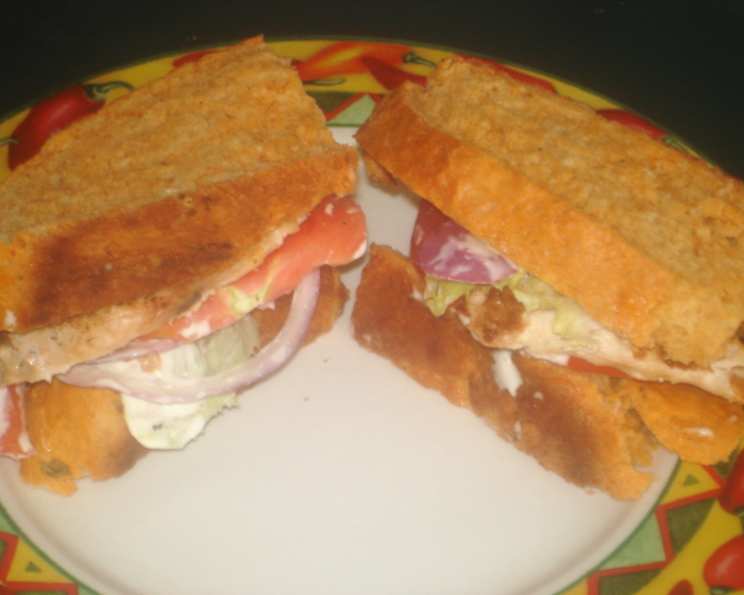
Cajun Bread: A Taste of Louisiana in Every Slice
The scent of Cajun spices always transports me back to my grandmother’s kitchen in New Orleans. Her tiny shotgun house, perpetually filled with the aroma of simmering gumbo and the lively chatter of family, was a sanctuary. While her gumbo was legendary, it was the accompanying bread, subtly spiced with Cajun seasoning, that truly elevated the meal. Every slice was a warm, comforting reminder of home, and this recipe attempts to capture that very feeling.
Recipe Overview
- Prep Time: 15 minutes
- Cook Time: 3 hours
- Total Time: 3 hours 15 minutes
- Yields: 1 Large Loaf
- Dietary Type: Not specified
Ingredients
- 1 1⁄8 cups water
- 3 cups white bread flour
- 2 tablespoons dry milk
- 1 teaspoon salt (Increase to 2 teaspoons if your Cajun seasoning is salt-free)
- 2 tablespoons butter or margarine
- 1 1⁄2 tablespoons brown sugar
- 1 1⁄2 tablespoons Cajun seasoning (adjust to taste)
- 1 tablespoon tomato paste
- 1 teaspoon onion paste or 1/8 teaspoon onion powder
- 1/2 teaspoon parsley flakes
- 2 teaspoons fast rise yeast or 3 teaspoons active dry yeast
Equipment Needed
- Bread maker
Instructions
- Begin by adding all the ingredients to your bread maker in the exact order listed above. This precise order helps ensure proper mixing and activation of the yeast.
- Select your bread maker’s “regular” or “rapid bake” cycle. A regular cycle usually takes around 3 hours, while the rapid bake cycle can shorten the process by approximately an hour.
- Once the bread maker signals completion, carefully remove the loaf from the pan. Be cautious, as it will be hot.
- Place the freshly baked Cajun bread on a wire rack to cool completely. This allows air to circulate, preventing the bottom crust from becoming soggy.
- Allow the bread to cool for at least an hour before slicing. Cutting into it too soon can result in a gummy texture.
- Slice and serve warm.
Expert Tips & Tricks
- Spice Level: Adjust the amount of Cajun seasoning to your preference. If you like a spicier bread, feel free to add more. Start with the recommended amount and taste as you go along. Remember, you can always add more spice, but you can’t take it away!
- Yeast Activation: If using active dry yeast, consider proofing it in a small amount of warm water (about 1/4 cup) with a pinch of sugar for 5-10 minutes before adding it to the bread maker. This ensures the yeast is active and will result in a better rise.
- Bread Flour: Using bread flour is crucial for achieving the right texture. It has a higher protein content than all-purpose flour, which creates more gluten and gives the bread a chewier crumb.
- Butter vs. Margarine: While the recipe allows for either butter or margarine, I highly recommend using butter for a richer flavor. Unsalted butter will give you more control over the saltiness of the final product.
- Onion Flavor: If you don’t have onion paste, onion powder works well, but you can also sauté a small amount of finely chopped onion in a little butter until softened and add that to the dough.
- Tomato Paste: Don’t skip the tomato paste! It adds a subtle tang and richness that complements the Cajun spices.
- Dough Consistency: The dough should be slightly sticky but still manageable. If it seems too dry, add a tablespoon of water at a time until the desired consistency is achieved. Conversely, if it’s too wet, add a tablespoon of flour.
- Bread Machine Variations: Every bread machine is a little different. Observe your bread during the first few mixing cycles, and adjust water and flour as necessary. Some machines may require slightly different ingredient order.
Serving & Storage Suggestions
This Cajun bread is exceptionally versatile. Serve it warm alongside a hearty bowl of jambalaya, red beans and rice, or gumbo. It’s also delicious toasted and topped with a fried egg for breakfast or used to make flavorful sandwiches.
To store leftovers, wrap the bread tightly in plastic wrap or place it in an airtight container. It will stay fresh at room temperature for 2-3 days. For longer storage, slice the bread and freeze it in a freezer-safe bag for up to 2 months. To reheat, thaw the slices at room temperature or toast them directly from frozen. You can also wrap the loaf in foil and warm it in a 350°F (175°C) oven for about 15 minutes.
Nutritional Information
Note: Nutritional information is an estimate and may vary based on specific ingredients and portion sizes.
| Nutrient | Amount per Serving | % Daily Value |
|---|---|---|
| Calories | 1760 kcal | N/A |
| Calories from Fat | N/A | N/A |
| Total Fat | 31.3 g | 48% |
| Saturated Fat | 17.8 g | 89% |
| Cholesterol | 76 mg | 25% |
| Sodium | 2698.5 mg | 112% |
| Total Carbohydrate | 318.4 g | 106% |
| Dietary Fiber | 12.6 g | 50% |
| Sugars | 28.8 g | N/A |
| Protein | 46.8 g | 93% |
Variations & Substitutions
- Gluten-Free: Substitute the white bread flour with a gluten-free bread flour blend. Be sure to add a binding agent like xanthan gum to help with the texture.
- Vegan: Replace the dry milk with a plant-based milk powder or simply omit it. Use a vegan butter substitute instead of butter.
- Spicier: Add a pinch of cayenne pepper or a dash of hot sauce to the dough for an extra kick.
- Cheesy: Incorporate shredded cheddar or Monterey Jack cheese into the dough for a cheesy Cajun bread.
- Herbaceous: Add fresh herbs like rosemary or thyme for a more complex flavor profile.
FAQs (Frequently Asked Questions)
Q: Can I make this bread without a bread maker?
A: While this recipe is specifically designed for a bread maker, you can adapt it for a traditional oven. You’ll need to knead the dough, let it rise, shape it, and bake it at 375°F (190°C) for about 30-35 minutes, or until golden brown.
Q: What is Cajun seasoning made of?
A: Cajun seasoning typically includes a blend of paprika, cayenne pepper, garlic powder, onion powder, black pepper, oregano, and thyme. You can find pre-made blends in most grocery stores, or you can create your own custom blend.
Q: Can I use all-purpose flour instead of bread flour?
A: While you can use all-purpose flour, the texture of the bread will be different. Bread flour has a higher protein content, which results in a chewier and more structured crumb.
Q: How can I prevent the bread from sticking to the pan?
A: Make sure to grease the bread maker pan thoroughly before adding the ingredients. You can use cooking spray, butter, or oil.
Q: The bread is too dense. What did I do wrong?
A: Several factors can contribute to dense bread. Make sure your yeast is fresh and active. Also, avoid using too much flour, as this can make the dough too heavy. Finally, ensure that the bread maker is functioning properly.
Final Thoughts
This Cajun bread is more than just a recipe; it’s a taste of home, a celebration of flavor, and a testament to the power of simple ingredients. Whether you’re serving it alongside a classic Cajun dish or enjoying it on its own, I encourage you to give this recipe a try. Experiment with different spice levels, add your own creative touches, and most importantly, share it with loved ones. I hope this bread brings as much joy to your table as it does to mine. Bon appétit, y’all!