
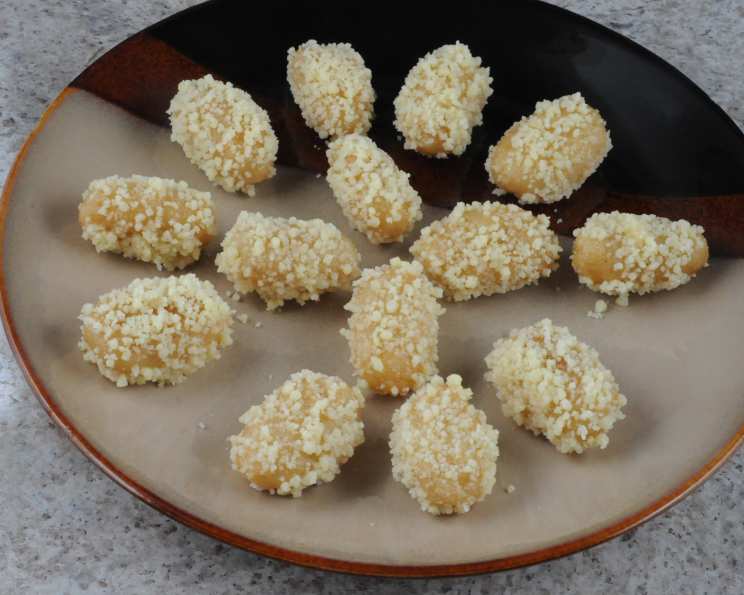
Cham-Cham: A Taste of Bangladeshi Sweetness
The first time I tasted Cham-Cham, I was a young culinary student volunteering at a cultural festival. A kind woman from Bangladesh, seeing my wide-eyed curiosity, pressed a small, glistening oval into my hand. The delicate sweetness, the milky richness, and the slightly chewy texture were unlike anything I’d ever experienced. It was a small bite of pure comfort, a glimpse into a culture I was eager to explore. That single taste sparked a lifelong fascination with Bangladeshi cuisine, and Cham-Cham remains a cherished memory, a reminder of the power of food to connect us.
Recipe Overview
- Prep Time: 30 minutes
- Cook Time: 1 hour 30 minutes
- Total Time: 2 hours
- Servings: 20 pieces
- Yield: 20 pieces
- Dietary Type: Vegetarian
Ingredients
For the Cham-Cham:
- 8 1/2 cups milk
- 3 tablespoons lemon juice
- 1 tablespoon sugar
- 1 tablespoon semolina
- 1 tablespoon plain flour
- 1 tablespoon self-raising flour
- 1/4 teaspoon cardamom powder
For the Syrup:
- 4 cups sugar
- 4 tablespoons caramel syrup
For the Mawa:
- 1/2 cup powdered milk
- 1/4 cup milk
- 1 tablespoon ghee
Equipment Needed
- Fine mesh strainer
- Cheesecloth
- Large pot
- Microwave
- Food processor (optional)
Instructions
- Prepare the Mawa: In a bowl, thoroughly mix together the powdered milk, milk, and ghee.
- Microwave Intervals: Place the mixture in the microwave for 30 seconds. Remove, stir well, and let it cool down for 30 seconds.
- Repeat and Cool: Repeat the microwave and cool-down cycle for a total of eight times, each time microwaving for 15 seconds followed by a 30-second cool-down.
- Final Microwaving: Reduce the microwave time to 10 seconds, stir, and let cool down for 30 seconds. Repeat this step until the mawa becomes dry and grainy.
- Fine Grind (Optional): If the grains aren’t powdery enough after cooling, transfer the mawa to a food processor and grind to achieve smaller, finer grains.
- Prepare the Paneer: Line a fine mesh strainer with cheesecloth.
- Curdle the Milk: Bring the milk to a boil in a large pot, taking care to prevent it from boiling over. Add the lemon juice. You should see curds forming almost immediately.
- Strain the Curds: Pour the curds and whey (the liquid) into the prepared strainer.
- Knead the Paneer: Once the curds have cooled enough to handle, knead them with your hands for approximately two minutes, or until no more liquid is released.
- Combine Paneer Ingredients: Transfer the paneer to a large bowl and mix in the semolina, plain flour, self-raising flour, sugar, and cardamom powder.
- Form the Dough: Knead the mixture with your hands until it begins to feel slightly greasy.
- Shape the Cham-Cham: Divide the dough into 20 equal parts and shape each part into an oval.
- Prepare the Syrup: In a large pot, dissolve the sugar in 4 cups of water and bring to a boil.
- Simmer the Cham-Cham: Gently drop the cham-cham into the simmering syrup and continue to boil for 1 hour and 20 minutes.
- Maintain Syrup Consistency: Add approximately a half cup of water every 10 minutes to maintain the proper syrup consistency throughout the simmering process.
- Add Caramel: At the end of the 1 hour and 20 minutes, add the caramel syrup. Continue to boil for another 10 minutes, then turn off the heat.
- Cool Down: Add a cup of hot water to the pot and let it cool down completely.
- Coat with Mawa: Once the cham-cham are cool enough to handle, remove them from the syrup and roll them in the prepared mawa.
Expert Tips & Tricks
- Paneer Perfection: The key to a good Cham-Cham lies in the texture of the paneer. Ensure you knead it well to remove excess moisture, but avoid over-kneading, which can make it tough.
- Syrup Consistency: Maintaining the right syrup consistency is crucial. Adding water every 10 minutes prevents the syrup from becoming too thick and ensures the Cham-Cham are properly soaked.
- Mawa Variations: Feel free to experiment with the mawa. You can add a pinch of cardamom or saffron for extra flavor and color.
- Gentle Handling: The Cham-Cham are delicate when simmering. Handle them gently when adding and removing them from the syrup to prevent them from breaking apart.
- Caramel Depth: Don’t skip the caramel syrup! It adds a beautiful color and depth of flavor to the Cham-Cham.
Serving & Storage Suggestions
Serve Cham-Cham chilled or at room temperature. Arrange them artfully on a platter and garnish with extra mawa or chopped nuts for an elegant presentation.
Leftover Cham-Cham can be stored in an airtight container in the refrigerator for up to 3-4 days. The syrup will help keep them moist. You can gently reheat them in the microwave for a few seconds if desired, but they are best enjoyed cold or at room temperature. Freezing is not recommended as it can alter the texture.
Nutritional Information
| Nutrient | Amount per Serving | % Daily Value |
|---|---|---|
| Calories | 244.4 kcal | N/A |
| Calories from Fat | 48 g | 20% |
| Total Fat | 5.4 g | 8% |
| Saturated Fat | 3.4 g | 16% |
| Cholesterol | 19.7 mg | 6% |
| Sodium | 115.7 mg | 4% |
| Total Carbohydrate | 46.5 g | 15% |
| Dietary Fiber | 0.1 g | 0% |
| Sugars | 15.4 g | 61% |
| Protein | 4.5 g | 9% |
Note: Nutritional information is an estimate and may vary based on specific ingredients and preparation methods.
Variations & Substitutions
- Flavor Infusions: Experiment with different flavorings in the syrup, such as rosewater, kewra water, or saffron.
- Nutty Coating: Instead of mawa, try coating the Cham-Cham in finely chopped pistachios, almonds, or cashews.
- Color Variations: Use natural food colorings to create colorful Cham-Cham for special occasions. Beetroot juice can create a beautiful pink hue, while turmeric can add a vibrant yellow.
- Citrus Zest: Adding a touch of lemon or orange zest to the paneer mixture can enhance the flavor profile.
- Sugar Alternatives: While traditional Cham-Cham uses granulated sugar, you could experiment with honey or jaggery for a different flavor profile. Be mindful that this may affect the color and texture.
FAQs (Frequently Asked Questions)
Q: Why is it important to knead the paneer properly?
A: Kneading the paneer ensures that excess moisture is removed, resulting in a smoother, more cohesive dough that holds its shape during cooking.
Q: How can I prevent the Cham-Cham from breaking apart while simmering?
A: Handle them gently, maintain a consistent simmer, and avoid overcrowding the pot. Adding water as needed helps maintain the right syrup consistency.
Q: Can I make Cham-Cham without caramel syrup?
A: Yes, you can omit the caramel syrup, but it adds a unique color and flavor. If omitting, you might consider adding a touch of brown sugar to the syrup for a similar effect.
Q: How do I know when the Cham-Cham are cooked through?
A: The Cham-Cham are cooked through when they have increased in size, have a slightly translucent appearance, and are soft and spongy to the touch.
Q: Can I use store-bought paneer instead of making my own?
A: While homemade paneer is recommended for the best texture and flavor, you can use store-bought paneer as a shortcut. Be sure to drain it well and knead it thoroughly before mixing it with the other ingredients.
Final Thoughts
Cham-Cham is more than just a dessert; it’s a cultural treasure, a sweet embodiment of Bangladeshi hospitality and culinary artistry. Don’t be intimidated by the multiple steps – the process is surprisingly rewarding, and the result is a truly unforgettable treat. I encourage you to embark on this culinary journey, to experiment with the flavors and textures, and to share the joy of Cham-Cham with your loved ones. Pair it with a cup of strong, aromatic tea, and savor the moment. I’m confident that this sweet indulgence will transport you to the vibrant streets of Bangladesh, one delicious bite at a time!