
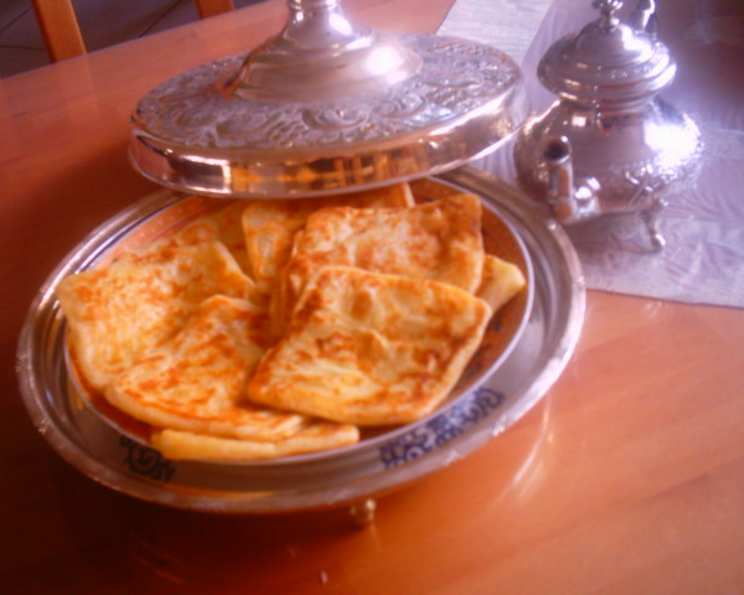
Chapati: A Taste of East Africa at Home
The first time I tasted chapati, I was volunteering at a community kitchen in Nairobi. The aroma alone—a comforting blend of warm flour and gently toasted oil—pulled me in. Watching the women expertly roll and fry the dough, their hands moving with generations of practiced skill, was mesmerizing. The simplicity of the ingredients belied the satisfying, slightly chewy, utterly delicious flatbread they produced. It was served with a rich, fragrant lentil stew, and that meal remains etched in my memory as a symbol of the warmth and generosity of Kenyan hospitality.
Recipe Overview
- Prep Time: 15 minutes
- Cook Time: 20 minutes
- Total Time: 35 minutes
- Servings: 6-8
- Yield: 6-8 chapati
- Dietary Type: Vegetarian
Ingredients
- 2 cups all-purpose flour, sifted
- 1 teaspoon salt
- 1 teaspoon cooking oil (vegetable, canola, or sunflower oil work well)
- Warm water, as needed (approximately ¾ cup)
Equipment Needed
- Large mixing bowl
- Clean, cool work surface for kneading
- Rolling pin
- Skillet or griddle
- Clean kitchen towel
- Warm oven (optional)
Instructions
-
Ensure all ingredients are at room temperature. This helps the dough come together more easily.
-
In a large mixing bowl, combine the sifted flour and salt. Sifting the flour helps to create a lighter, more tender chapati.
-
Gradually add warm water to the flour mixture, mixing with your hands until a thick dough forms. The amount of water needed will vary depending on the humidity and the type of flour used, so add it slowly and mix thoroughly after each addition.
-
Add the oil to the dough.
-
Turn the dough out onto a clean, cool work surface and knead for 5-7 minutes. If the dough is too sticky, add a little more flour, one tablespoon at a time, until it becomes smooth and elastic. The kneading process develops the gluten in the flour, which gives the chapati its characteristic chewy texture.
-
Return the dough to the bowl, cover it with a clean, damp kitchen towel, and let it rest for at least 30 minutes. This allows the gluten to relax, making the dough easier to roll out. Resting the dough longer, even up to an hour, can improve the final texture.
-
Lightly grease a skillet or griddle with cooking oil and preheat it over medium heat. The pan should be hot enough that a drop of water sizzles and evaporates quickly.
-
Divide the dough into 6-8 equal portions, depending on the desired size of your chapati. Roll each portion into a smooth ball.
-
On a lightly floured surface, use a rolling pin to flatten each ball into a thin circle, approximately 6 inches in diameter. Aim for a uniform thickness to ensure even cooking.
-
Carefully place one chapati at a time onto the preheated skillet or griddle. Fry for 1-2 minutes on each side, or until golden brown spots appear. Turn the chapati over when you see small bubbles forming on the surface.
-
As each chapati is cooked, place it in a warm oven (about 200°F or 95°C) or wrap it in a clean kitchen towel to keep it warm and soft until serving. Stacking the cooked chapatis under a towel also helps them to steam slightly, which makes them even more pliable.
Expert Tips & Tricks
- Don’t over-knead the dough. Over-kneading can result in tough chapatis. Knead just until the dough is smooth and elastic.
- Use warm water, not hot water. Hot water can activate the gluten too quickly, leading to a tough dough.
- Roll the chapatis as thinly as possible without tearing. A thin chapati will cook more evenly and be more tender.
- For extra flavor, brush the cooked chapatis with ghee (clarified butter) or melted butter. This adds richness and a beautiful sheen.
- If your chapatis are puffing up like balloons on the skillet, that’s a good sign! It means the dough is well-made and the pan is hot enough. Gently press down on the puffed areas with a spatula to ensure even cooking.
Serving & Storage Suggestions
Chapati is best served warm, ideally immediately after cooking. It pairs beautifully with a wide variety of dishes, including curries, stews, soups, and grilled meats. Serve it with butter, ghee, or a sprinkle of chopped cilantro for added flavor.
Leftover chapati can be stored at room temperature in an airtight container for up to 2 days. For longer storage, refrigerate them for up to 5 days or freeze them for up to 2 months. To reheat, simply warm them in a dry skillet, microwave them briefly, or wrap them in foil and heat them in the oven. If reheating from frozen, thaw them slightly before reheating to prevent them from becoming soggy.
Nutritional Information
Please note that these are estimates and can vary based on specific ingredients and portion sizes.
| Nutrient | Amount per Serving | % Daily Value |
|---|---|---|
| Calories | 180 kcal | 9% |
| Total Fat | 5g | 8% |
| Saturated Fat | 1g | 5% |
| Cholesterol | 0mg | 0% |
| Sodium | 200mg | 8% |
| Total Carbohydrate | 30g | 10% |
| Dietary Fiber | 1g | 4% |
| Sugars | 1g | 2% |
| Protein | 4g | 8% |
Variations & Substitutions
- Whole Wheat Chapati: Substitute up to half of the all-purpose flour with whole wheat flour for a nuttier flavor and increased fiber.
- Spiced Chapati: Add a pinch of ground cumin, coriander, or chili powder to the dough for a flavorful twist.
- Gluten-Free Chapati: Use a gluten-free flour blend designed for baking. You may need to adjust the amount of water and kneading time. Consider adding a binder like xanthan gum to help the dough hold together.
- Herbed Chapati: Add finely chopped fresh herbs like cilantro, parsley, or mint to the dough for a refreshing flavor.
- Sweet Chapati: Add a tablespoon of sugar or honey to the dough for a slightly sweet version that can be enjoyed as a snack or dessert.
FAQs (Frequently Asked Questions)
Q: Why are my chapatis tough?
A: Over-kneading the dough or using too much flour during rolling can make chapatis tough. Make sure to knead just until smooth and elastic, and use flour sparingly when rolling.
Q: How do I keep the chapatis soft after cooking?
A: Stacking the cooked chapatis under a clean kitchen towel or placing them in a warm oven will help them retain moisture and stay soft.
Q: Can I make the dough ahead of time?
A: Yes, you can prepare the dough ahead of time and store it in the refrigerator for up to 24 hours. Bring it to room temperature before rolling and cooking.
Q: What’s the best type of pan to use for cooking chapati?
A: A flat skillet or griddle works best. Cast iron is a good option because it distributes heat evenly.
Q: How do I prevent the chapatis from sticking to the pan?
A: Make sure the pan is properly heated and lightly greased before cooking each chapati.
Final Thoughts
Chapati is more than just a flatbread; it’s a taste of home, a symbol of sharing, and a testament to the beauty of simple ingredients transformed by skilled hands. Don’t be intimidated by the process—with a little practice, you’ll be rolling and frying perfect chapatis in no time. I encourage you to try this recipe and experience the warmth and flavor of East Africa in your own kitchen. Serve them with your favorite curry, stew, or soup, and enjoy the satisfying taste of homemade goodness. Share your creations and variations with friends and family, and let the flavors transport you to distant lands.