
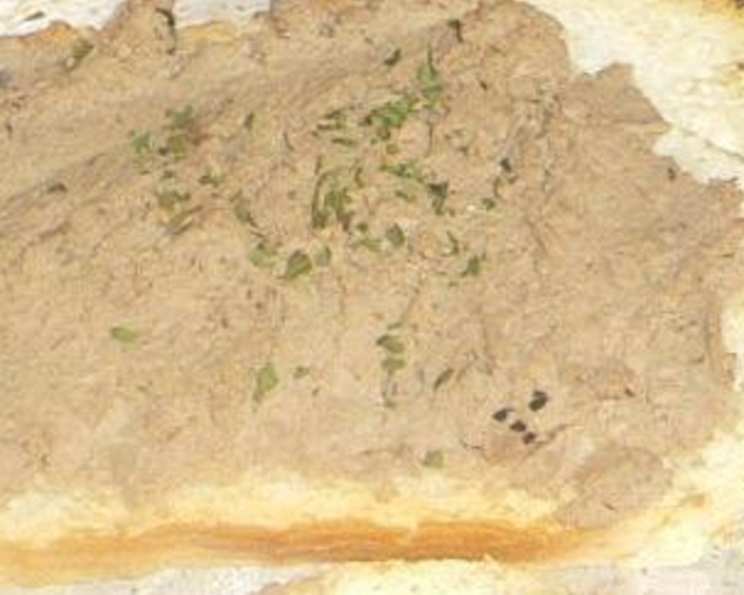
Charcuterie Chicken Liver Pâté: A Culinary Adventure
I’ll never forget my first taste of truly exceptional pâté. It was at a tiny bistro in Lyon, France, during a culinary school trip. The chef, a gruff but kind man named Jean-Pierre, presented a small crock of velvety smooth chicken liver pâté, topped with a glistening layer of clarified butter. Served with crusty baguette and cornichons, the rich, savory flavor exploded on my palate. It was a revelation, an experience that sparked a lifelong love for this humble, yet elegant dish. This recipe aims to capture that simple perfection, making it accessible to every home cook.
Recipe Overview
- Prep Time: 2 hours 15 minutes
- Cook Time: 7 minutes
- Total Time: Overnight
- Servings: 8
- Yield: 3 cups
- Dietary Type: Not Gluten-Free
Ingredients
- 1 lb chicken livers
- 6 tablespoons port wine
- 14 tablespoons butter (1 3/4 sticks)
- 2 shallots, chopped
- 1 garlic clove, crushed
- 1 teaspoon fresh thyme, chopped
- 1/4 cup heavy cream
- Kosher salt
- Fresh ground black pepper
Equipment Needed
- Medium skillet
- Blender or Food Processor
- 3-cup container (terrine, loaf pan, mason jar)
Instructions
- Begin by preparing the chicken livers. Rinse them thoroughly under cold water and pat them completely dry with paper towels. This step is crucial for achieving the right texture and preventing a watery pâté.
- In a bowl or container, cover the dried livers with the port wine. Cover and refrigerate for at least 2 hours. This soaking process helps to mellow the liver’s flavor and tenderize the texture.
- Melt 3 tablespoons of the butter in a medium skillet over medium-low heat. Use a skillet large enough to accommodate all of the chicken livers later on.
- Add the chopped shallots, crushed garlic, and chopped fresh thyme to the melted butter. Cook over medium-low heat, stirring frequently, until the shallots are softened but not browned, about 3 to 4 minutes. Be patient and don’t rush this step; allowing the aromatics to gently soften will create a more complex flavor base for the pâté.
- Remove the livers from the port wine, reserving the port. Add the livers to the skillet with the sautéed shallots and garlic.
- Continue to cook the livers, without browning, until they just start to change color, another 3 to 4 minutes. Avoid overcooking the livers, as this will make them tough and grainy. They should still be slightly pink in the center.
- Add the reserved port wine to the skillet and simmer for 2 minutes, allowing the alcohol to evaporate and the flavors to meld.
- Carefully transfer the liver mixture to a blender or food processor. Process until completely smooth and creamy. You may need to scrape down the sides of the blender a few times to ensure everything is fully incorporated.
- Add 3 more tablespoons of butter to the blender and process again until smooth and emulsified. The butter adds richness and helps to create a silky texture.
- Add the heavy cream to the blender and pulse until just incorporated. Avoid over-processing at this stage.
- Season the pâté generously with kosher salt and freshly ground black pepper to taste. Adjust the seasoning as needed, keeping in mind that the flavors will intensify as the pâté chills.
- Spoon the pâté mixture into a 3-cup container, such as a terrine, loaf pan, or even individual mason jars. Smooth the surface of the pâté with a spatula or the back of a spoon to ensure an even finish.
- Chill the pâté in the refrigerator for 1 hour, or until it just starts to firm up. This initial chilling period allows the pâté to set slightly before adding the final layer of butter.
- Melt the remaining butter in a small saucepan or microwave. Skim off any foam from the top of the melted butter.
- Pour the melted butter evenly over the top of the pâté, completely covering the surface. This layer of butter acts as a seal, preserving the pâté and preventing it from drying out.
- Refrigerate the pâté overnight, or for up to a week. The pâté needs ample time to chill and allow the flavors to fully develop.
- Serve the pâté chilled, with toasted baguette slices or other crusty bread.
Expert Tips & Tricks
- Don’t overcook the livers! Slightly pink in the center is ideal for a smooth texture.
- For an even smoother pâté, strain the mixture through a fine-mesh sieve after blending.
- Add a splash of brandy or cognac along with the port wine for an extra layer of flavor.
- Ensure the top layer of melted butter is thick enough to completely seal the pâté; this prevents oxidation and keeps it fresh longer.
- To make it ahead, the pate can be prepared up to a week in advance.
- If you accidentally burn the shallots and garlic, start over. This will ruin the flavor of the pate.
Serving & Storage Suggestions
Serve the chicken liver pâté chilled, with toasted baguette slices, crackers, or crudités. Cornichons, Dijon mustard, and fig jam are excellent accompaniments. The pâté can be stored in the refrigerator for up to a week, tightly covered. It is not recommended to freeze the pâté, as it can affect the texture. Allow the pâté to come to room temperature for about 15-20 minutes before serving to allow the flavors to fully develop.
Nutritional Information
| Nutrient | Amount per Serving | % Daily Value |
|---|---|---|
| Calories | 293 kcal | – |
| Calories from Fat | 230 g | 79% |
| Total Fat | 25.6 g | 39% |
| Saturated Fat | 15.4 g | 76% |
| Cholesterol | 259.2 mg | 86% |
| Sodium | 222.2 mg | 9% |
| Total Carbohydrate | 3.1 g | 1% |
| Dietary Fiber | 0 g | 0% |
| Sugars | 0.9 g | 3% |
| Protein | 10.1 g | 20% |
Variations & Substitutions
- For a richer flavor: Substitute duck or goose liver for some or all of the chicken liver.
- Add spice: Include a pinch of cayenne pepper or a dash of hot sauce to the liver mixture for a bit of heat.
- Vegetarian option: While this recipe is obviously not vegetarian, a similar texture and flavor profile can be achieved with a mushroom duxelles pâté.
FAQs (Frequently Asked Questions)
Q: Can I use a different type of alcohol instead of port wine?
A: Yes, Madeira, sherry, or even brandy can be used as substitutes for port wine. They each impart a slightly different flavor profile, so experiment to find your favorite!
Q: What if I don’t have fresh thyme?
A: Dried thyme can be used in place of fresh thyme, but use about half the amount (1/2 teaspoon) as dried herbs are more potent.
Q: How do I know when the livers are cooked properly?
A: The livers should be slightly pink in the center and just starting to firm up. Overcooking will result in a grainy pâté.
Q: Can I make this without heavy cream?
A: While the heavy cream adds richness and creaminess, you can substitute it with crème fraîche or even omit it altogether. The texture will be slightly different, but still delicious.
Q: Why is the butter layer on top important?
A: The layer of melted butter acts as a seal, protecting the pâté from oxidation and helping to preserve its flavor and texture. It also adds a beautiful sheen to the finished product.
Final Thoughts
This Charcuterie Chicken Liver Pâté is a rewarding culinary project that elevates a simple ingredient into something truly special. Don’t be intimidated by the process; each step is straightforward and the results are well worth the effort. Share your finished pâté with friends and family, and watch as they savor the rich, complex flavors. Pair it with a crisp white wine or a robust red for the perfect appetizer. And don’t hesitate to experiment with variations to make it your own signature dish. Bon appétit!