
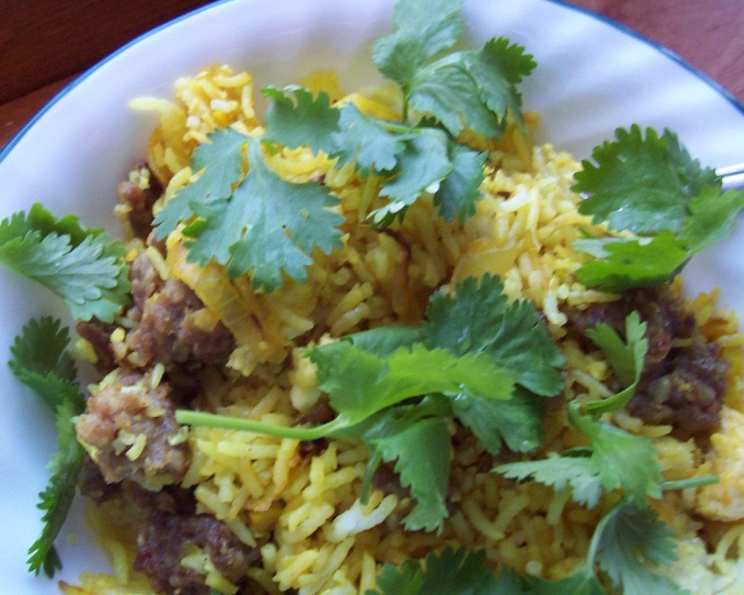
Thai Fried Rice: A Symphony of Flavors
The clatter of woks and the sizzle of oil – these are the sounds of my childhood. My grandmother, a petite whirlwind of culinary prowess, could transform a handful of leftover rice and vegetables into a feast. I remember sitting mesmerized as she expertly tossed ingredients, the air thick with the aroma of ginger, garlic, and something wonderfully umami I later learned was fish sauce. That simple Thai fried rice was more than just a meal; it was a vibrant expression of love and resourcefulness, a tradition I’m thrilled to share with you.
Recipe Overview
- Prep Time: 30 minutes
- Cook Time: 35 minutes
- Total Time: 1 hour 5 minutes
- Servings: 4
- Yield: About 6 cups
- Dietary Type: Varies (can be gluten-free and dairy-free)
Ingredients
- 2 1/2 cups water
- 1 1/3 cups long-grain white rice
- 8 ounces ground pork or 8 ounces pork sausage
- 1 tablespoon vegetable oil
- 1 medium onion, thinly sliced (about 1 cup)
- 1 tablespoon fresh ginger, minced
- 1 jalapeno pepper, seeded and minced (wear gloves!)
- 3 garlic cloves, minced
- 1⁄2 teaspoon ground turmeric or 1/2 teaspoon paprika
- 2 tablespoons fish sauce
- 2 cups cooked vegetables, chopped (such as broccoli, zucchini, red bell peppers, carrots, bok choy, or spinach)
- 3 eggs, lightly beaten
- 3 green onions, thinly sliced
- 1⁄2 cup cilantro leaves
Equipment Needed
- Medium saucepan
- Large bowl
- Fork
- Wok or large skillet
Instructions
-
In a medium saucepan, bring the water and rice to a boil over high heat. Once boiling, reduce the heat to medium-low, cover, and simmer for 20 minutes, or until all the water is absorbed by the rice. It’s crucial to keep the lid on to allow the rice to steam properly.
-
Transfer the cooked rice to a large bowl. Use a fork to fluff the rice, separating the grains. This helps prevent clumping during the frying process. Allow the rice to cool to room temperature, which should take about 30-40 minutes, stirring occasionally to release steam.
-
Once the rice has cooled to room temperature, cover the bowl and refrigerate the rice until it is thoroughly cold. This step is vital for achieving the right texture in fried rice, preventing it from becoming mushy. Refrigerate for at least 1 hour, or up to 24 hours.
-
While the rice is chilling, prepare the pork. Place a wok or medium skillet over medium-high heat. Add the ground pork (or pork sausage) and cook until it is no longer pink. Use a spatula or wooden spoon to break up the meat as it cooks. Drain off any excess fat from the pan. Transfer the cooked pork to a bowl and set it aside.
-
Return the wok or large skillet to medium-high heat. Add the vegetable oil and swirl to coat the surface of the pan. The oil should shimmer slightly when it’s hot enough.
-
Add the sliced onion, minced ginger, minced jalapeno pepper, minced garlic, and turmeric (or paprika) to the hot oil. Stir-fry these aromatics for 4-6 minutes, or until the onion is very tender and translucent. Be careful not to burn the garlic or ginger, as this will impart a bitter flavor.
-
Stir in the fish sauce; mix well to combine. Fish sauce is a key ingredient in Thai cuisine, adding a salty and savory depth of flavor. If you’re sensitive to strong flavors, start with a smaller amount and adjust to your taste.
-
Add the cold rice, cooked vegetables, and cooked pork to the wok or skillet. Cook and stir continuously for 3-4 minutes, or until everything is heated through. The rice should be evenly coated with the flavorful sauce.
-
Push the rice mixture to the side of the wok or skillet, creating an empty space in the center. Pour the lightly beaten eggs into the center. Cook the eggs for 2-3 minutes, or just until they are set, lifting and stirring to scramble them.
-
Stir the rice mixture into the scrambled eggs, ensuring that the eggs are evenly distributed throughout the rice.
-
Stir in the thinly sliced green onions. Transfer the Thai fried rice to a serving bowl. Sprinkle with fresh cilantro leaves.
-
Garnish as desired and serve immediately.
Expert Tips & Tricks
- Rice is Key: Day-old, cold rice is the secret to perfect fried rice. The chilling process dries out the rice slightly, preventing it from becoming mushy when stir-fried.
- High Heat, Fast Cooking: Keep the heat high and keep things moving! This ensures that the rice and vegetables cook quickly and evenly, without becoming soggy.
- Spice It Up: Adjust the amount of jalapeno pepper to your liking. For an extra kick, add a pinch of red pepper flakes.
- Vegetable Variations: Feel free to use any combination of cooked vegetables you have on hand. Leftover roasted vegetables work particularly well.
- Protein Power: Experiment with different proteins, such as chicken, shrimp, or tofu. Just be sure to cook the protein separately before adding it to the fried rice.
- Make Ahead Magic: Cook the rice and pork (or other protein) a day in advance to save time.
Serving & Storage Suggestions
Serve this vibrant Thai Fried Rice immediately while it’s hot and flavorful. It makes a complete meal on its own, or you can pair it with a simple side salad or a light soup. Leftovers can be stored in an airtight container in the refrigerator for up to 3 days. To reheat, simply stir-fry in a wok or skillet until heated through, or microwave on medium power, stirring occasionally. For longer storage, you can freeze the fried rice in an airtight container for up to 2 months. Thaw overnight in the refrigerator before reheating.
Nutritional Information
| Nutrient | Amount per Serving | % Daily Value |
|---|---|---|
| Calories | 482.8 kcal | N/A |
| Calories from Fat | N/A | N/A |
| Total Fat | 19.5 g | 30% |
| Saturated Fat | 6.2 g | 31% |
| Cholesterol | 180.4 mg | 60% |
| Sodium | 803.8 mg | 33% |
| Total Carbohydrate | 54.8 g | 18% |
| Dietary Fiber | 1.9 g | 7% |
| Sugars | 2.2 g | N/A |
| Protein | 19.9 g | 39% |
Note: Nutritional information is an estimate and may vary based on specific ingredients and portion sizes.
Variations & Substitutions
- Vegetarian/Vegan: Omit the pork and fish sauce. Substitute the pork with extra vegetables or tofu. Replace fish sauce with soy sauce or a vegetarian fish sauce alternative.
- Gluten-Free: Ensure the fish sauce you use is gluten-free. Tamari can also be used as a substitute.
- Spicy Level: Adjust the amount of jalapeno or add red pepper flakes to taste. You can also serve with a side of sriracha or chili oil.
- Rice Variety: While long-grain white rice is traditional, you can experiment with other types of rice, such as jasmine rice or brown rice (use 3 1/2 cups cooked brown rice as a substitute).
FAQs (Frequently Asked Questions)
Q: Why is it important to use cold, day-old rice?
A: Cold rice has less moisture than freshly cooked rice, which prevents it from becoming mushy when stir-fried at high heat.
Q: Can I use frozen vegetables instead of fresh?
A: Yes, but be sure to thaw and drain the frozen vegetables thoroughly before adding them to the wok.
Q: What if I don’t have fish sauce?
A: Fish sauce adds a unique umami flavor, but you can substitute it with soy sauce or tamari for a similar salty taste.
Q: How can I make this dish spicier?
A: Add more minced jalapeno pepper, a pinch of red pepper flakes, or serve with a side of sriracha or chili oil.
Q: Can I add other proteins besides pork?
A: Absolutely! Chicken, shrimp, tofu, or beef all work well in this dish. Cook the protein separately before adding it to the fried rice.
Final Thoughts
I hope this recipe brings as much joy to your kitchen as it has to mine. The beauty of Thai Fried Rice lies in its adaptability – feel free to experiment with different ingredients and flavors to create your own signature version. Don’t be afraid to get creative and, most importantly, have fun! This dish is not just about following a recipe; it’s about embracing the spirit of resourcefulness and creating something delicious from whatever you have on hand. I encourage you to try this recipe and share your feedback, variations, and serving suggestions. Perhaps pair it with a refreshing Thai iced tea for the ultimate culinary experience!