
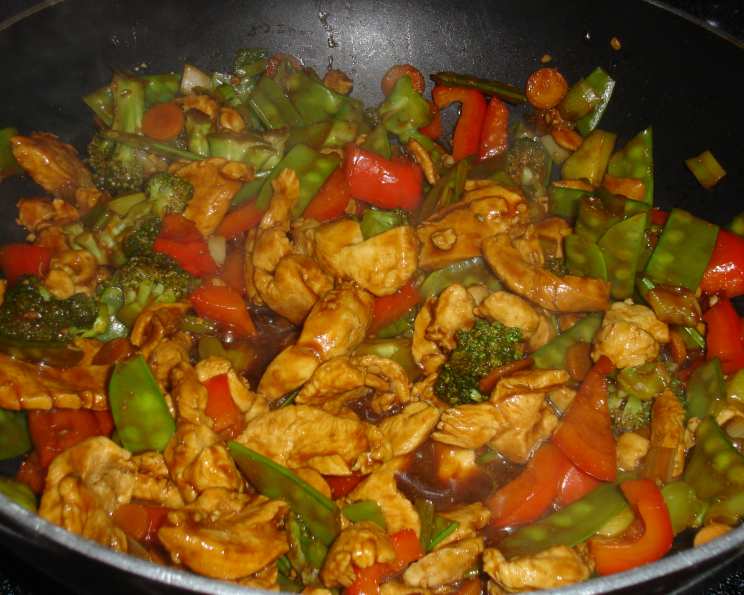
Chicken Stir-Fry: A Flavorful Weeknight Delight
The sizzle of chicken hitting a hot wok, the vibrant colors of crisp vegetables, and the savory aroma that fills the kitchen – chicken stir-fry is more than just a quick meal; it’s a sensory experience. As a busy culinary student years ago, this dish was my go-to when hunger struck and time was short. I remember experimenting with different sauces and vegetable combinations, always aiming for that perfect balance of sweet, savory, and a hint of spice, transforming humble ingredients into a comforting, flavorful escape.
Recipe Overview
- Prep Time: 2 hours 20 minutes
- Cook Time: 10 minutes
- Total Time: 2 hours 30 minutes
- Servings: 4
- Dietary Type: Balanced
Ingredients
- 1⁄4 cup orange juice
- 1 1⁄2 tablespoons cornstarch
- 1 lb boneless skinless chicken breast, cut into strips
- 3⁄4 cup reduced-sodium chicken broth
- 1 1⁄2 tablespoons reduced sodium soy sauce
- 2 1⁄2 teaspoons vegetable oil
- 1 garlic clove, minced
- 1 tablespoon minced fresh ginger or 1 1/2 teaspoons ground ginger
- 1 1⁄2 cups snow peas or 1 1/2 cups green beans
- 1 medium red bell pepper, cut into thin strips
- 3⁄4 cup sliced green onion
- 1 cup frozen broccoli, thawed
- 1 medium carrot, thinly thawed
- 2 cups cooked white rice
Equipment Needed
- Shallow glass bowl
- Small bowl
- Wok or large nonstick skillet
- Serving plates
Instructions
- In a shallow glass bowl, combine the orange juice and cornstarch. Mix thoroughly until the cornstarch is fully dissolved. This mixture will act as a marinade and tenderizer for the chicken.
- Add the chicken strips to the orange juice and cornstarch mixture. Ensure the chicken is well-coated.
- Cover the bowl tightly and chill in the refrigerator for 2 hours. This marinating time allows the chicken to absorb the flavors and become incredibly tender. Don’t skip this step!
- After the marinating period, drain the chicken, discarding the orange juice mixture. The marinade has done its job, and we don’t want it interfering with the sauce later.
- In a small bowl, whisk together the reduced-sodium chicken broth and reduced sodium soy sauce. Set this mixture aside; it will be the base of our flavorful stir-fry sauce.
- Heat the vegetable oil in a wok or large nonstick skillet over medium heat. Make sure the wok is hot before adding the ingredients for best results. The oil should shimmer slightly.
- Add the minced garlic and minced fresh ginger (or ground ginger) to the hot oil. Stir-fry for about 30 seconds, or until fragrant. Be careful not to burn the garlic, as it can become bitter. The aroma should be inviting and slightly pungent.
- Add the chicken to the wok. Stir-fry for approximately 3 minutes, or until the chicken is cooked through and no longer pink. Continuous stirring ensures even cooking. The chicken should be slightly browned but still tender.
- Introduce the vegetables: snow peas (or green beans), red bell pepper strips, sliced green onion, thawed broccoli, and thawed carrot.
- Stir-fry the vegetables for about 5 minutes, or until they are crisp-tender. You want them to retain a bit of their crunch while still being cooked through. This stage is crucial for achieving the right texture.
- Pour the chicken broth and soy sauce mixture into the wok, over the chicken and vegetables. Stir well to combine all the ingredients with the sauce. Allow the sauce to simmer for a minute or two, thickening slightly.
- Place 1/2 cup of cooked white rice on each serving plate.
- Top each serving of rice with the chicken and vegetable mixture, dividing it evenly among the plates. Serve immediately and enjoy!
Expert Tips & Tricks
- For an extra layer of flavor, add a splash of sesame oil towards the end of the cooking process. A teaspoon or two will do the trick.
- If you prefer a thicker sauce, you can add a cornstarch slurry (1 tablespoon cornstarch mixed with 2 tablespoons of water) to the wok during the last minute of cooking.
- Don’t overcrowd the wok! If you’re making a larger batch, it’s better to cook the stir-fry in smaller portions to ensure even cooking and browning.
- To save time, you can prepare the vegetables ahead of time. Chop and store them in the refrigerator until you’re ready to cook.
- If you don’t have fresh ginger, ground ginger is a perfectly acceptable substitute. Just remember that ground ginger is more potent, so use slightly less.
Serving & Storage Suggestions
Serve your chicken stir-fry immediately while it’s hot and the vegetables are crisp-tender. Garnish with extra green onions or a sprinkle of sesame seeds for added visual appeal.
Leftovers can be stored in an airtight container in the refrigerator for up to 3 days. Reheat in a skillet over medium heat, stirring occasionally, or microwave until heated through. A splash of water may be needed to rehydrate the sauce. Freezing is not recommended as the vegetables can become mushy upon thawing.
Nutritional Information
| Nutrient | Amount per Serving | % Daily Value |
|---|---|---|
| Calories | 347.7 kcal | N/A |
| Calories from Fat | 45 g | 13% |
| Total Fat | 5.1 g | 7% |
| Saturated Fat | 0.9 g | 4% |
| Cholesterol | 65.8 mg | 21% |
| Sodium | 337.9 mg | 14% |
| Total Carbohydrate | 41.8 g | 13% |
| Dietary Fiber | 4.1 g | 16% |
| Sugars | 5.9 g | 23% |
| Protein | 32.8 g | 65% |
Variations & Substitutions
- For a spicier kick, add a pinch of red pepper flakes or a drizzle of sriracha to the sauce.
- Experiment with different vegetables based on what’s in season or your personal preferences. Broccoli florets, snap peas, mushrooms, and water chestnuts all work well.
- Use tamari instead of soy sauce for a gluten-free option.
- Substitute chicken thighs for chicken breast for a richer flavor.
- Serve over quinoa or brown rice instead of white rice for a healthier alternative.
FAQs (Frequently Asked Questions)
Q: Can I use frozen vegetables instead of fresh?
A: Yes, frozen vegetables can be used, but be sure to thaw them completely and drain any excess water before adding them to the stir-fry. This will prevent the stir-fry from becoming watery.
Q: How can I prevent the chicken from drying out?
A: Marinating the chicken for the recommended time is key to keeping it moist and tender. Also, avoid overcooking the chicken during the stir-frying process.
Q: Can I make this recipe vegetarian or vegan?
A: Absolutely! Simply substitute the chicken with tofu, tempeh, or your favorite plant-based protein. Be sure to press the tofu to remove excess water before stir-frying.
Q: What if I don’t have orange juice?
A: Apple juice or pineapple juice can be used as a substitute for orange juice in the marinade.
Q: Can I prepare this stir-fry ahead of time?
A: While the entire dish is best served immediately, you can prep the ingredients (chop vegetables, marinate chicken) ahead of time to save time during cooking.
Final Thoughts
Chicken stir-fry is a versatile and satisfying dish that’s perfect for busy weeknights or a quick weekend meal. It’s an excellent way to use up leftover vegetables and create a healthy, flavorful dinner that the whole family will enjoy. Don’t be afraid to experiment with different ingredients and seasonings to create your own signature stir-fry. I encourage you to try this recipe and share your feedback! Consider pairing it with a crisp glass of white wine or a refreshing iced tea. Happy cooking!