
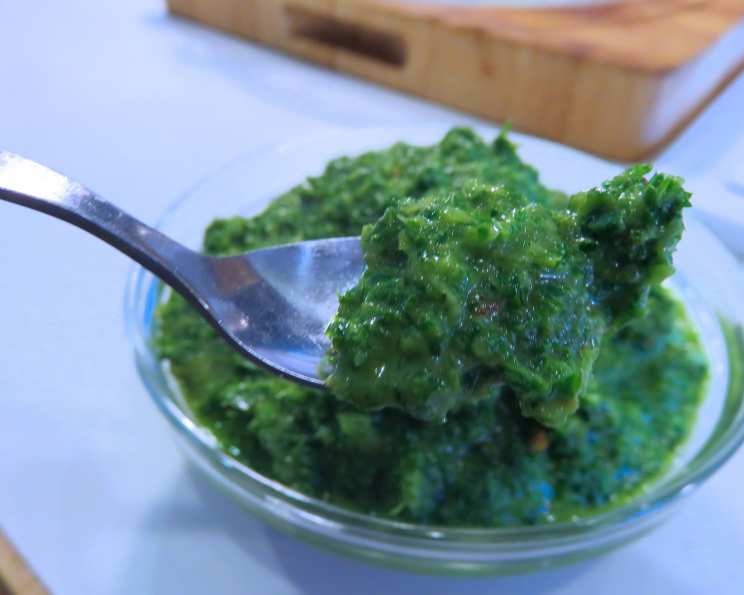
The Vibrant Kiss of Chimichurri: An Argentine Delight
The aroma alone transports me back to Buenos Aires, to a tiny parrilla tucked away on a cobblestone street. The air crackled with the heat of the grill, the scent of wood smoke mingling with the bright, herbaceous tang of chimichurri. Each bite of perfectly grilled steak, slicked with that verdant sauce, was a revelation. It wasn’t just a condiment; it was sunshine bottled, a taste of Argentina itself. I’ve been chasing that flavor ever since, and this recipe captures the very essence of that memory.
Recipe Overview
- Prep Time: 5 minutes
- Cook Time: 0 minutes
- Total Time: 5 minutes
- Yields: 3/4 cup
- Dietary Type: Vegan, Gluten-Free, Dairy-Free, Keto
Ingredients
- 5 cloves garlic
- 1 medium white onion, chopped
- 2 bunches Italian parsley, trim stems
- 1 large lemon, juice of
- ½ teaspoon chili flakes
- ½ cup virgin olive oil (not extra virgin)
- ½ teaspoon salt
- ½ teaspoon fresh ground black pepper
Equipment Needed
- Food processor or blender
Instructions
- Combine the garlic, chopped white onion, Italian parsley (trimmed of stems), lemon juice, chili flakes, salt, and fresh ground black pepper into the food processor or blender. Note: Reserve the olive oil for later.
- Pulse the mixture in the food processor or blender to finely chop the ingredients. Be careful not to over-process into a paste. You want a slightly coarse texture.
- With the food processor or blender running on “go,” slowly add the olive oil in a thin, steady stream. This emulsifies the sauce, creating a smooth and well-combined chimichurri.
- Taste and adjust seasonings as needed. You may want to add a little more lemon juice for extra tang, a pinch more chili flakes for heat, or salt and pepper to taste.
- Transfer the chimichurri to an airtight container and let it rest for at least 30 minutes before serving. This allows the flavors to meld together.
Expert Tips & Tricks
- Don’t over-process: The key to a good chimichurri is texture. Avoid pureeing the ingredients into a smooth paste. You want to see the individual herbs and spices.
- Use fresh ingredients: The quality of your chimichurri depends heavily on the freshness of your ingredients, especially the parsley. Look for vibrant green parsley with firm stems.
- Olive Oil Selection: Virgin olive oil is recommended, rather than extra virgin. Extra virgin olive oil has a lower smoke point and stronger flavor, which may be overpowering in the chimichurri.
- Adjust the heat: Customize the spice level to your preference. If you like it mild, reduce the amount of chili flakes or omit them altogether. For extra heat, add a finely chopped fresh chili pepper.
- Acid is Key: The lemon juice provides crucial acidity to balance the richness of the olive oil and enhance the flavors of the herbs. Feel free to experiment with other acids, such as red wine vinegar.
- Resting is Essential: Don’t skip the resting period. Allowing the chimichurri to sit for at least 30 minutes allows the flavors to meld and deepen.
- For a smoother chimichurri: Some prefer a smoother consistency. If so, you can pulse the ingredients slightly longer in the food processor or blender, being careful not to over-process.
Serving & Storage Suggestions
Chimichurri is traditionally served with grilled meats, such as steak, chicken, or sausages. However, its versatility extends far beyond the grill. Use it as a marinade for vegetables before roasting, a vibrant topping for eggs, or a flavorful dressing for salads. It’s also fantastic drizzled over roasted potatoes or used as a dip for crusty bread.
Store chimichurri in an airtight container in the refrigerator for up to 5 days. The olive oil may solidify in the fridge; simply bring it to room temperature before serving to allow it to liquefy.
Freezing is not generally recommended as it can affect the texture of the herbs. However, if you need to store it for a longer period, you can freeze it in ice cube trays and then transfer the frozen cubes to a freezer bag. This allows you to thaw only the amount you need.
Nutritional Information
| Nutrient | Amount per Serving | % Daily Value |
|---|---|---|
| Calories | 277 kcal | 14% |
| Total Fat | 27.7 g | 35% |
| Saturated Fat | 3.9 g | 19% |
| Cholesterol | 0 mg | 0% |
| Sodium | 325 mg | 14% |
| Total Carbohydrate | 5.7 g | 2% |
| Dietary Fiber | 0.7 g | 3% |
| Sugars | 1.6 g | 3% |
| Protein | 0.6 g | 1% |
Nutritional information is an estimate and may vary based on specific ingredients and preparation methods.
Variations & Substitutions
- Red Wine Vinegar: Substitute half or all of the lemon juice with red wine vinegar for a different tang.
- Fresh Herbs: Experiment with other fresh herbs, such as oregano, cilantro, or mint, to create your own unique chimichurri blend.
- Smoked Paprika: Add a pinch of smoked paprika for a smoky flavor dimension.
- Spice Level: Adjust the amount of chili flakes or add a finely chopped fresh chili pepper for extra heat. You can also use a pinch of cayenne pepper.
- Herb Ratio: Adjust the ratio of parsley to other herbs based on your preference.
- Garlic Lovers: Increase the amount of garlic for a bolder flavor.
- No Onion: Omit the onion if you prefer a less pungent flavor. You could substitute with a shallot.
FAQs (Frequently Asked Questions)
Q: Can I make chimichurri ahead of time?
A: Absolutely! In fact, chimichurri benefits from sitting for at least 30 minutes, and even better, a few hours, before serving to allow the flavors to meld.
Q: How long does chimichurri last?
A: Chimichurri can be stored in an airtight container in the refrigerator for up to 5 days.
Q: Can I use dried herbs instead of fresh?
A: While fresh herbs are highly recommended for the best flavor, you can use dried herbs in a pinch. Use about 1 teaspoon of dried herbs for every tablespoon of fresh herbs called for in the recipe.
Q: My chimichurri is too bitter. What did I do wrong?
A: Bitterness can sometimes come from over-processing the herbs or using old parsley. Make sure your parsley is fresh, and pulse the ingredients gently in the food processor.
Q: What’s the best way to serve chimichurri?
A: Chimichurri is traditionally served with grilled meats, but it’s also fantastic as a marinade, a topping for eggs, or a salad dressing. Let your creativity guide you!
Final Thoughts
I hope this recipe inspires you to bring a taste of Argentina into your kitchen. The vibrant flavors of chimichurri are incredibly versatile and can elevate any dish. Don’t be afraid to experiment with different variations and find your perfect blend. Share your creations with friends and family, and let them experience the sunshine in a jar. This sauce pairs wonderfully with a robust Malbec or a crisp Torrontes – perfect complements to a meal that will transport you to the heart of South America. Buen provecho!