
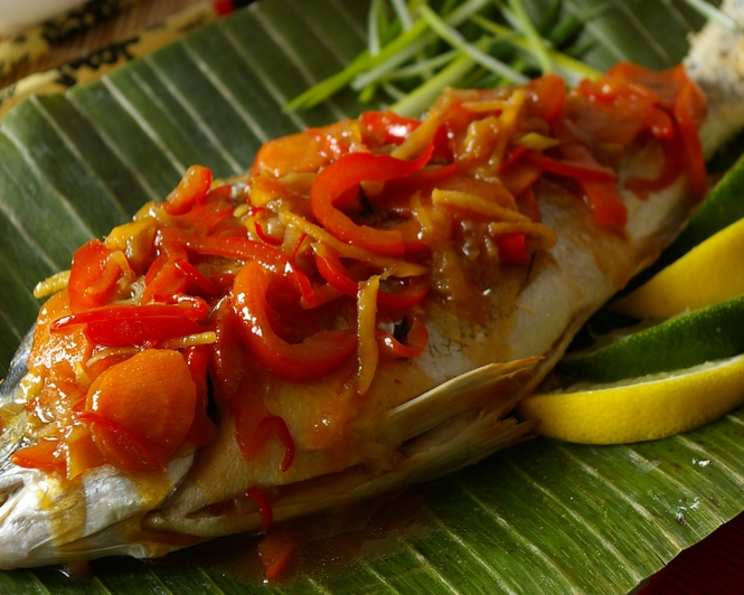
Chinese New Year Whole Fish With Sweet and Sour Vegetables
The memory still warms me: a small, bustling kitchen filled with the aroma of ginger, soy sauce, and the sweet tang of vinegar. Auntie Mei, her face creased with laughter lines, expertly maneuvering a whole fish in her wok, the scales glistening under the bright fluorescent light. It wasn’t just a meal; it was a symbol of prosperity and togetherness, meticulously prepared for our family’s Chinese New Year celebration. The sweet and sour vegetables, vibrant with color, danced around the perfectly cooked fish, a culinary representation of the abundance we wished for in the year to come. This dish isn’t just about flavors; it’s a piece of my heart, a connection to my heritage, and a tradition I eagerly share.
Recipe Overview
- Prep Time: 15 minutes
- Cook Time: 10 minutes
- Total Time: 25 minutes
- Servings: 4
- Dietary Type: Pescatarian
Ingredients
- 1 kg fish, cleaned and scaled
- Salt
- Vegetable oil
- 1 tablespoon shredded fresh ginger
- 1 red chile, deseeded and finely chopped
- 3 spring onions, sliced
- 1 carrot, thinly sliced
- 1 red capsicum, thinly sliced
- 3 tablespoons light soy sauce
- 3 tablespoons oyster sauce
- 2 tablespoons sugar
- 3 tablespoons vinegar (rice vinegar is ideal, but white vinegar works)
- 1 tablespoon sesame oil
- 2 teaspoons cornflour
Equipment Needed
- Grill or BBQ
- Wok or large frying pan
- Small bowl
Instructions
- Begin by preparing the fish. Make 3-4 diagonal slits through the flesh on both sides, cutting down to the bone. This will help the fish cook evenly and absorb the flavors of the sauce.
- Season the fish generously with salt, making sure to rub it into the slits you’ve made. This will enhance the flavor and help to crisp up the skin during cooking.
- Preheat your grill. Place the fish on the grill and cook for about 4 minutes on each side, or until the flesh is cooked through and flakes easily with a fork. Alternatively, you can BBQ the fish for a smoky flavor. Monitor the fish closely to prevent burning. The internal temperature should reach 145°F (63°C).
- While the fish is cooking, prepare the sweet and sour vegetables. Heat a wok or large frying pan over high heat. Add a little vegetable oil.
- Add the shredded fresh ginger and finely chopped red chile to the hot oil. Toss quickly for about 30 seconds until fragrant, being careful not to burn the ginger and chile.
- Add the sliced spring onions, thinly sliced carrot, and thinly sliced red capsicum to the wok. Toss the vegetables constantly over high heat for 2-3 minutes, until they are slightly softened but still crisp-tender.
- Pour in the light soy sauce, oyster sauce, sugar, vinegar, and sesame oil. Bring the mixture to a boil, stirring constantly to dissolve the sugar and combine the flavors.
- In a small bowl, mix the cornflour with a little cold water to form a smooth paste. This will be used to thicken the sauce. Make sure there are no lumps.
- Pour the cornflour slurry into the wok with the sauce and vegetables. Simmer, stirring continuously, until the sauce thickens to your desired consistency. This should only take a minute or two.
- Once the fish is cooked, carefully place it on a serving platter.
- Spoon the sweet and sour sauce and vegetables generously over the top of the fish, ensuring that every part of the fish is coated.
- Serve immediately and enjoy!
Expert Tips & Tricks
- For an extra crispy fish, pat it dry with paper towels before seasoning with salt. This will help remove any excess moisture.
- If you don’t have a grill, you can also pan-fry the fish in a little vegetable oil until golden brown and cooked through. Make sure to use a non-stick pan to prevent the fish from sticking.
- Adjust the amount of sugar and vinegar in the sauce to your liking. If you prefer a sweeter sauce, add a little more sugar. If you prefer a more tangy sauce, add a little more vinegar.
- To add a bit of heat, use a larger amount of red chile or add a pinch of chile flakes.
- For an even richer flavor, marinate the fish in a mixture of soy sauce, ginger, and garlic for about 30 minutes before cooking.
- If the sauce becomes too thick, add a little water to thin it out.
- Don’t overcrowd the wok when cooking the vegetables. This will lower the temperature and cause them to steam instead of stir-fry. Cook in batches if necessary.
Serving & Storage Suggestions
Serve the Chinese New Year Whole Fish with Sweet and Sour Vegetables immediately while it’s hot and the sauce is glossy. Garnish with extra sliced spring onions or a sprinkle of sesame seeds for added visual appeal. This dish pairs beautifully with steamed rice or noodles to soak up the delicious sauce.
Leftovers can be stored in an airtight container in the refrigerator for up to 2 days. To reheat, gently warm the fish and vegetables in a pan over low heat, or microwave in short intervals, until heated through. Be careful not to overcook the fish during reheating, as it can become dry. The sauce may thicken upon refrigeration; add a splash of water to thin it out when reheating. Freezing is not recommended as it can affect the texture of the fish and vegetables.
Nutritional Information
| Nutrient | Amount per Serving | % Daily Value |
|---|---|---|
| Calories | 300 kcal | 15% |
| Total Fat | 12g | 18% |
| Saturated Fat | 2g | 10% |
| Cholesterol | 75mg | 25% |
| Sodium | 800mg | 33% |
| Total Carbohydrate | 15g | 5% |
| Dietary Fiber | 3g | 12% |
| Sugars | 8g | – |
| Protein | 30g | 60% |
Note: Nutritional information is an estimate and may vary based on specific ingredients and preparation methods.
Variations & Substitutions
- Type of Fish: Feel free to use any whole fish you prefer, such as sea bass, snapper, or even a large trout. Adjust cooking time accordingly based on the fish’s thickness.
- Vegetarian Option: For a vegetarian version, substitute the fish with firm tofu or thick slices of eggplant. Pan-fry or bake them until golden brown before adding the sauce.
- Gluten-Free: To make this dish gluten-free, use tamari instead of light soy sauce, as some soy sauces contain wheat. Ensure your oyster sauce is also gluten-free; some brands offer gluten-free versions.
- Spicy Kick: Add a dash of Sriracha or a few drops of chili oil to the sauce for an extra spicy kick.
- Seasonal Vegetables: Swap out the carrot and red capsicum for other seasonal vegetables like zucchini, bell peppers (any color), or snow peas.
- Vinegar Variation: Experiment with different types of vinegar, such as black vinegar for a deeper, more complex flavor, or apple cider vinegar for a milder tang.
FAQs (Frequently Asked Questions)
Q: Can I prepare the sauce ahead of time?
A: Yes, you can prepare the sweet and sour sauce up to a day in advance. Store it in an airtight container in the refrigerator and reheat before serving. You might need to add a little water to thin it out if it becomes too thick.
Q: How do I know when the fish is cooked through?
A: The fish is cooked through when the flesh is opaque and flakes easily with a fork. The internal temperature should reach 145°F (63°C).
Q: Can I use dried ginger instead of fresh ginger?
A: While fresh ginger is preferred for its vibrant flavor, you can use dried ginger in a pinch. Use about 1 teaspoon of dried ginger for every tablespoon of fresh ginger.
Q: What if I don’t have oyster sauce?
A: If you don’t have oyster sauce, you can substitute it with hoisin sauce or a mixture of soy sauce and a little sugar. Keep in mind that this will slightly alter the flavor profile.
Q: How can I prevent the fish from sticking to the grill?
A: To prevent the fish from sticking to the grill, make sure the grill grates are clean and well-oiled. You can also use a grill mat or place the fish on a piece of aluminum foil.
Final Thoughts
This Chinese New Year Whole Fish with Sweet and Sour Vegetables is more than just a delicious meal; it’s a symbol of prosperity, togetherness, and good fortune. It’s a dish that brings families together and creates lasting memories. I encourage you to try this recipe and share it with your loved ones. Feel free to experiment with the variations and substitutions to make it your own. And most importantly, have fun in the kitchen and enjoy the process of creating something special. Let me know how it turns out, and what variations you tried – I’d love to hear your feedback! Consider serving it with a light, crisp Sauvignon Blanc to complement the sweet and sour flavors of the dish.