
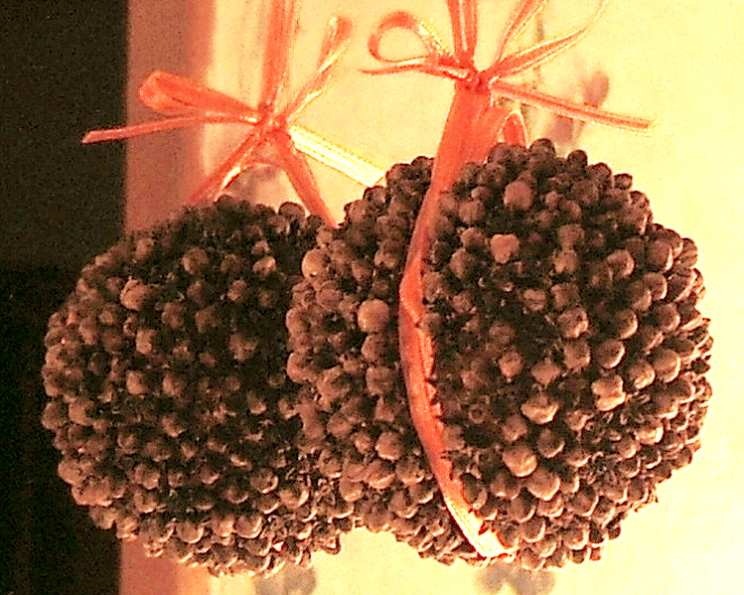
Crafting an Etrog Pomander: Aromatic Traditions for Home and Hearth
The scent of citrus and spice always evokes a sense of warmth and tradition for me. My grandmother, Bubbe Rose, always had a special etrog saved from Sukkot, carefully studded with cloves, resting on a small dish in her hallway. It wasn’t just a decoration; it was a fragrant reminder of family, faith, and the cozy feeling of home, the aroma lingering long after you’d left her apartment. Now, years later, I carry on that tradition, filling my own home with the same comforting fragrance by creating my own etrog pomanders.
Recipe Overview
- Prep Time: 30 minutes
- Cook Time: 0 minutes (drying time varies)
- Total Time: Varies (days to weeks for drying)
- Servings: 1 pomander
- Yield: 1 aromatic pomander
- Dietary Type: Vegan, Gluten-Free, Dairy-Free, Kosher
Ingredients
- 1 Citron (Etrog) or any Citrus Fruit (orange, lemon, grapefruit)
- 60 g Cloves
Equipment Needed
- Thin Crochet Hook (0.75 mm or 1.00 mm)
- Small Dish or Wire Rack for drying
Instructions
- Begin by carefully washing the etrog (or your chosen citrus fruit) under cool water. Make sure to remove any dirt or residue.
- Thoroughly dry the etrog with a clean towel. This step is important because a dry surface will help the cloves stay in place.
- Now, take your crochet hook and gently pierce the skin of the etrog. The goal isn’t to make a deep hole, just a small opening to guide the clove.
- Immediately after creating the hole, insert one clove into the opening. Push it in firmly so that it stays in place.
- Start at the top of the etrog and work your way around in a spiral pattern. Continue piercing the skin and inserting cloves one by one.
- The key is to cover the entire etrog completely with cloves. There should be very little of the fruit’s skin visible between the cloves. This process can take a while, so find a comfortable spot – it’s a perfect task to do while watching television or listening to music!
- Once the etrog is completely studded with cloves, place it in a warm, dry area. A sunny windowsill or a spot near a radiator works well.
- Allow the etrog to dry naturally. This may take several days or even a few weeks, depending on the humidity and temperature of your environment. You’ll notice that the fruit will shrink as it dries, and the cloves will become more tightly packed.
- As the etrog dries, the oils from the fruit and the cloves will meld together, creating a wonderfully intense and long-lasting fragrance.
- Shavu’ah Tov!
Expert Tips & Tricks
- Prevent Mold: If you live in a humid climate, you can help prevent mold growth by occasionally rolling the clove-studded etrog in a mixture of ground cinnamon and orris root powder. This will also add another layer of delightful fragrance.
- Fragrance Boost: For an extra burst of fragrance, lightly mist the dried pomander with a citrus-scented essential oil every few weeks. Be sure to test the oil on a small, inconspicuous area first to ensure it doesn’t discolor the cloves.
- Clove Placement: To ensure even clove distribution, try marking the etrog with a grid pattern before you begin. This will help you space the cloves evenly.
- Crochet Hook Alternatives: If you don’t have a crochet hook, you can use a large needle or even a small, pointed skewer. Just be careful not to pierce your fingers!
- Consider using a mixture of spices! Add a small amount of cinnamon, star anise, or allspice.
- If you want to preserve your creation even longer, consider dipping it in wax (ensure the wax is food-grade).
Serving & Storage Suggestions
Once your etrog pomander is fully dried, it’s ready to enjoy! You can display it in a bowl, hang it from a ribbon, or place it in a drawer to freshen your clothes. The fragrance will last for months, or even years, if stored properly. To prolong its life, keep the pomander away from direct sunlight and excessive moisture. If the fragrance starts to fade, gently crush a few of the cloves to release more of their aroma.
The pomander can last for several years if properly dried and stored. There is no need to reheat, but to refresh, add essential oils every few months.
Nutritional Information
Note: Nutritional information is approximate and will vary depending on the specific citrus fruit used.
| Nutrient | Amount per Serving | % Daily Value |
|---|---|---|
| Calories | 194 kcal | 10% |
| Total Fat | 12g | 18% |
| Saturated Fat | 3.3g | 16% |
| Cholesterol | 0mg | 0% |
| Sodium | 146mg | 6% |
| Total Carbohydrate | 37g | 12% |
| Dietary Fiber | 21g | 82% |
| Sugars | 1.4g | 5% |
| Protein | 3.6g | 7% |
Variations & Substitutions
- Spice Blends: Experiment with different spice blends to customize the fragrance of your pomander. Add cinnamon sticks, star anise, or dried orange peel for a unique aroma.
- Citrus Variety: While etrog is traditional, don’t be afraid to use other citrus fruits like oranges, lemons, limes, or grapefruits. Each fruit will impart its own distinct scent.
- Ribbon Hanger: Before you begin studding the fruit, carefully thread a ribbon through the etrog using a large needle. This will allow you to hang the pomander once it’s dry.
- Protective Coating: Dip the finished pomander in melted beeswax to help preserve it and protect it from moisture. This will also give it a beautiful, glossy finish.
- Decorative Touches: Add small beads or sequins to the cloves for a festive touch. Just be sure to use non-toxic materials.
FAQs (Frequently Asked Questions)
Q: Can I use fresh cloves or do they need to be dried?
A: Always use whole, dried cloves for making a pomander. Fresh cloves will not work as well and may cause the fruit to rot.
Q: How long does it take for the etrog pomander to dry completely?
A: The drying time can vary from several days to a few weeks, depending on the humidity and temperature. You’ll know it’s dry when the fruit has shrunk and hardened, and the cloves are firmly in place.
Q: What if mold starts to grow on my pomander?
A: If you notice any mold, gently wipe it away with a cloth dipped in vinegar. You can also sprinkle the pomander with ground cinnamon, which has anti-fungal properties.
Q: Can I use essential oils to enhance the fragrance?
A: Yes, you can add a few drops of citrus-scented essential oil to the pomander every few weeks to refresh the fragrance.
Q: Is it safe to eat the etrog after it has been used as a pomander?
A: While technically safe, it is not recommended to eat the etrog after it has been studded with cloves, as the flavor will be very strong and potentially unpleasant.
Final Thoughts
Creating an etrog pomander is more than just a craft; it’s an act of preserving tradition and infusing your home with a warm, inviting fragrance. Whether you use a precious etrog from Sukkot or a simple orange from your local market, the process is a delightful way to connect with the past and create a beautiful, aromatic keepsake for years to come. I encourage you to try this simple recipe and share the fragrant joy with your family and friends. Don’t hesitate to experiment with different spices and citrus fruits to create your own signature blend!