
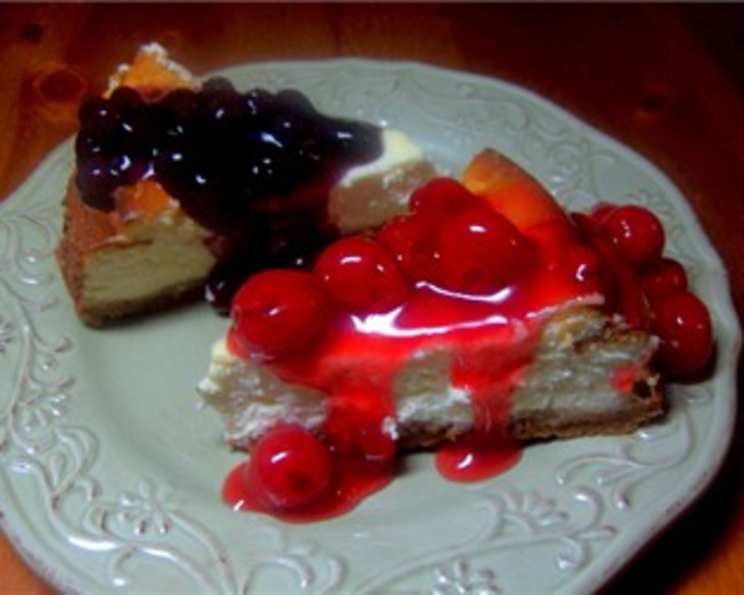
Classic New York Cheesecake: A Timeless Indulgence
I can still remember the first time I tasted New York cheesecake. It was at a bustling deli in Manhattan, the kind with worn-out booths and the comforting aroma of pastrami in the air. The slice was towering, impossibly smooth, and the taste? Pure, unadulterated bliss. The tangy cream cheese, the subtle sweetness, and that perfectly crumbly crust – it was a culinary revelation, a moment etched in my memory as vividly as the city skyline itself. From that day on, I was determined to master this iconic dessert, to bring that slice of New York magic into my own kitchen.
Recipe Overview
- Prep Time: 20 minutes
- Cook Time: 45 minutes to 1 hour
- Total Time: 1 hour 5 minutes
- Servings: 10
- Yield: 1 cheesecake
- Dietary Type: Not Gluten-Free
Ingredients
For the Crust:
- 1 cup graham cracker crumbs
- 1/4 cup melted butter
- 1/4 cup sugar
For the Filling:
- 3 eggs
- 1 1/2 cups sour cream
- 2 teaspoons vanilla
- 1/4 cup sugar
- 2 tablespoons melted butter
- 2 (8 ounce) packages cream cheese
Equipment Needed
- Springform pan
- Mixing bowls
- Electric mixer
- Measuring cups and spoons
Instructions
-
Preheat your oven to 325°F (160°C).
-
Prepare the crust: In a medium bowl, combine the graham cracker crumbs, melted butter, and sugar. Mix thoroughly until the mixture resembles wet sand.
-
Press the crumb mixture evenly into the bottom of a springform pan. Make sure to create a uniform layer to ensure an even crust.
-
Make the filling: In a large mixing bowl, using an electric mixer, combine the eggs, sour cream, and vanilla. Blend on medium speed for about 1 minute, until well combined. Don’t overmix at this stage, as it can incorporate too much air into the batter.
-
Add the cream cheese, sugar, and melted butter to the bowl. Mix on low speed until completely smooth and creamy. Ensure there are no lumps of cream cheese remaining. Scrape down the sides of the bowl periodically to ensure everything is fully incorporated.
-
Pour the filling over the prepared crust in the springform pan. Gently spread the filling to ensure it’s evenly distributed.
-
Bake in the preheated oven for 45 minutes to 1 hour. The cheesecake is done when the edges are set, but the center still has a slight jiggle. Keep a close eye on it; ovens vary, and you don’t want to overbake it.
-
The secret to a perfect top: Immediately turn off the oven and switch to the broil setting. Broil the top of the cheesecake until it turns a beautiful golden brown. Watch it very carefully, as it can burn quickly under the broiler. This step creates that signature New York cheesecake color. Only takes a few seconds!
-
Remove the cheesecake from the oven and let it cool completely at room temperature. Then, refrigerate for at least 4 hours, or preferably overnight, before serving. This chilling period is crucial for the cheesecake to set properly and develop its signature texture.
Expert Tips & Tricks
-
Room Temperature Cream Cheese: Ensure your cream cheese is at room temperature before mixing. This is critical to achieving a smooth, lump-free filling. If you’re short on time, you can gently warm the cream cheese in the microwave in short bursts, but be careful not to melt it.
-
Water Bath (Optional): For an even more decadent and creamy texture, consider baking the cheesecake in a water bath. Wrap the bottom of the springform pan tightly in aluminum foil (to prevent water from seeping in) and place it in a larger roasting pan. Fill the roasting pan with hot water, reaching about halfway up the sides of the springform pan. This gentle, moist heat helps the cheesecake bake evenly and prevents cracking.
-
Preventing Cracks: Avoid opening the oven door frequently during baking. Temperature fluctuations can cause the cheesecake to crack. Once baked, let the cheesecake cool gradually in the oven with the door slightly ajar to further prevent cracking.
-
Flavor Infusions: Experiment with adding extracts like almond or lemon to the filling for a unique twist. A swirl of melted chocolate or a layer of fruit preserves can also add a delicious touch.
-
Make-Ahead Magic: Cheesecake is a perfect make-ahead dessert. In fact, it often tastes even better the next day after the flavors have had time to meld. Prepare it a day or two in advance and store it in the refrigerator until ready to serve.
Serving & Storage Suggestions
Serve the cheesecake chilled, either plain or with your favorite topping. Classic choices include cherry or blueberry topping (like Comstock’s), fresh berries, chocolate sauce, or a dusting of powdered sugar.
To store, keep the cheesecake covered tightly in the refrigerator for up to 5 days. For longer storage, you can freeze it for up to 2 months. Wrap individual slices tightly in plastic wrap and then place them in a freezer-safe container. To thaw, transfer the slices to the refrigerator overnight. Cheesecake is best served cold.
Nutritional Information
| Nutrient | Amount per Serving | % Daily Value |
|---|---|---|
| Calories | 381 kcal | N/A |
| Calories from Fat | 283 kcal | 75% |
| Total Fat | 31.6 g | 48% |
| Saturated Fat | 17.7 g | 88% |
| Cholesterol | 142 mg | 47% |
| Sodium | 295.8 mg | 12% |
| Total Carbohydrate | 19.5 g | 6% |
| Dietary Fiber | 0.2 g | 0% |
| Sugars | 15.4 g | 61% |
| Protein | 6 g | 11% |
Variations & Substitutions
- Gluten-Free Crust: Substitute the graham cracker crumbs with gluten-free graham cracker crumbs or a mixture of almond flour and gluten-free oats.
- Lower Fat Option: Use reduced-fat cream cheese and sour cream, but be aware that this will affect the texture and flavor slightly.
- Citrus Burst: Add the zest of one lemon or orange to the filling for a bright, citrusy flavor.
- Chocolate Cheesecake: Swirl melted dark chocolate into the filling before baking.
- Seasonal Fruit: Top with seasonal fruits like peaches, raspberries, or strawberries for a fresh and vibrant dessert.
FAQs (Frequently Asked Questions)
Q: Why did my cheesecake crack?
A: Cheesecakes crack due to sudden temperature changes or overbaking. Avoid opening the oven frequently and let the cheesecake cool gradually after baking. A water bath can also help prevent cracking.
Q: Can I use a different type of cookie for the crust?
A: Yes, you can use other cookies like shortbread or chocolate wafers for the crust. Adjust the sugar quantity accordingly, depending on the sweetness of the cookies.
Q: How do I know when the cheesecake is done?
A: The cheesecake is done when the edges are set, but the center still jiggles slightly. It will continue to set as it cools.
Q: Can I freeze cheesecake?
A: Yes, cheesecake freezes well. Wrap it tightly in plastic wrap and then in foil or place it in a freezer-safe container. Thaw overnight in the refrigerator before serving.
Q: My cheesecake is too tart. How can I fix it?
A: A little bit of tartness is characteristic of New York cheesecake but if yours is too tart, try adding a tablespoon or two of additional sugar to the filling.
Final Thoughts
This Classic New York Cheesecake recipe is more than just a dessert; it’s an experience. It’s a journey back to that bustling deli, that first unforgettable bite. It’s an invitation to create a moment of pure indulgence. Don’t be intimidated by the process. Follow the steps, trust your instincts, and you’ll be rewarded with a cheesecake that’s worthy of the Big Apple itself. I encourage you to try this recipe, make it your own, and share the joy with your loved ones. And if you have any questions or variations you’d like to share, please leave a comment below! Happy baking!