
Sparkling Clean Laundry: A Deep Dive into Washing Machine Maintenance
I’ll never forget the time I absentmindedly tossed a dark-wash towel in with a load of whites. The horror! While I managed to salvage most of the clothes, the entire incident was a stark reminder that laundry, and the machine that cleans it, requires some serious TLC. Just like a well-seasoned cast iron pan, a washing machine benefits greatly from regular cleaning and maintenance. Trust me, a clean washer is the secret weapon to brighter, fresher clothes, and it’s far easier than you might think.
Recipe Overview
- Prep Time: 2 minutes
- Cook Time: 0 minutes (cycle run time)
- Total Time: varies depending on wash cycle length
- Servings: 1 clean washer
- Yields: 1 clean washer
- Dietary Type: N/A (cleaning solution)
Ingredients
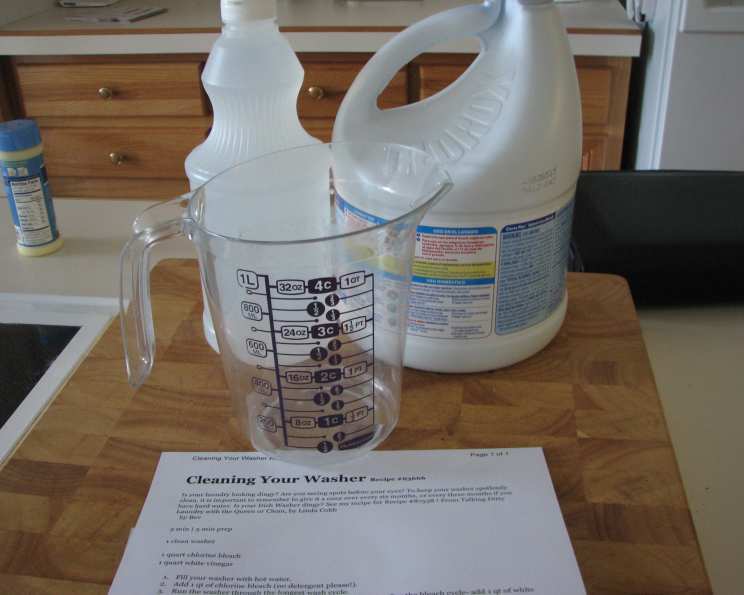
- 1 quart chlorine bleach
- 1 quart white vinegar
Equipment Needed
- Washing machine
Instructions
-
Begin by ensuring your washing machine is empty of all clothing. This cleaning process should be performed without any items inside the machine.
-
Fill your washer with hot water. Use the hottest water setting available on your machine.
-
Carefully add 1 quart of chlorine bleach to the hot water. Be sure to use chlorine bleach only, and avoid adding any detergent or other cleaning products at this stage.
-
Run the washer through the longest wash cycle it offers. This allows the bleach to circulate thoroughly, sanitizing the drum and removing any buildup. Let the entire cycle complete.
-
When the washer is still wet – this is crucial, it should be immediately after the bleach cycle finishes and the tub is still damp – add 1 quart of white vinegar to the drum.
-
Run the washer through the same longest wash cycle again, refilling the tub with hot water. The vinegar will react with any remaining bleach residue and further break down soap scum and mineral deposits.
-
Once the second cycle has finished, leave the washing machine door open to allow it to air dry completely. This prevents the buildup of moisture and mildew.
Expert Tips & Tricks
-
Hard Water Hero: If you have hard water, consider cleaning your washing machine more frequently, ideally every three months instead of every six. The higher mineral content in hard water can lead to faster buildup of deposits in your machine.
-
Front Load Focus: Front-loading washing machines are prone to mildew growth around the rubber gasket. After each wash, wipe down the gasket with a clean, dry cloth to remove excess moisture. Additionally, leave the door slightly ajar to allow for better air circulation.
-
Bleach Alternative: If you’re sensitive to bleach or prefer a more natural approach, you can substitute the chlorine bleach with a cup of baking soda in the first cycle. Follow with the vinegar in the second cycle as directed.
-
Lint Trap Love: Don’t forget to clean your lint trap regularly, regardless of the type of washing machine you own. A clogged lint trap reduces the efficiency of your machine and can even pose a fire hazard.
-
Smell Test: If your washing machine still has a lingering odor after cleaning, try running an additional cycle with just hot water and a cup of baking soda. The baking soda will help neutralize any remaining smells.
-
Preventative Measures: To prevent excessive soap scum buildup, use high-efficiency (HE) detergent if you have an HE machine, and always follow the detergent dosage instructions carefully. Overusing detergent can lead to buildup and residue that attract dirt and grime.
Serving & Storage Suggestions
This recipe is for cleaning your washing machine, not for consumption. Ensure the washing machine is completely empty before running the cleaning cycles. After the cleaning process, leave the door open to air dry the machine thoroughly.
Nutritional Information
Since this recipe is for cleaning, nutritional information is not applicable.
Variations & Substitutions
-
Citric Acid Boost: For a more powerful cleaning solution, add 1/2 cup of citric acid crystals to the vinegar cycle. Citric acid is a natural descaler and can help remove stubborn mineral deposits.
-
Essential Oil Freshener: Add a few drops of your favorite essential oil (such as lavender or tea tree) to the vinegar cycle for a pleasant scent. Be cautious not to add too much, as essential oils can sometimes leave a residue.
-
Oxy-Clean Option: For those who prefer not to use bleach or vinegar, an oxygen-based cleaner like Oxy-Clean can be used as a substitute. Follow the instructions on the product label for the appropriate amount to use.
-
Homemade Cleaning Tablets: Create your own cleaning tablets by mixing baking soda, citric acid, and a few drops of essential oil. Drop one tablet into the empty washing machine drum and run a hot water cycle.
FAQs (Frequently Asked Questions)
Q: How often should I clean my washing machine?
A: Ideally, clean your washing machine every six months, or every three months if you have hard water. Regular cleaning helps prevent the buildup of soap scum, mineral deposits, and mildew.
Q: Can I use regular detergent instead of bleach in the first cycle?
A: It is not recommended to use regular detergent with bleach, as the combination can create harmful fumes and reduce the effectiveness of both products. Use bleach alone for the first cycle.
Q: Is it safe to mix bleach and vinegar?
A: Mixing bleach and vinegar directly can create toxic chlorine gas. However, in this recipe, the bleach cycle is completed before the vinegar is added, minimizing the risk of harmful fumes. Always ensure proper ventilation when using these products.
Q: What if I have a high-efficiency (HE) washing machine?
A: This cleaning method is generally safe for both standard and HE washing machines. However, always refer to your washing machine’s manual for specific cleaning recommendations.
Q: My washing machine has a self-cleaning cycle. Should I still follow this recipe?
A: If your washing machine has a self-cleaning cycle, you can use that function instead of this recipe. However, it’s still a good idea to occasionally deep-clean your machine using this method for optimal performance.
Final Thoughts
Cleaning your washing machine might not be the most glamorous task, but it’s a crucial step in maintaining your clothes and ensuring the longevity of your appliance. By following these simple steps and incorporating a few expert tips, you can keep your washing machine sparkling clean and your laundry smelling fresh. Don’t be afraid to experiment with variations and substitutions to find what works best for you. Now, go forth and conquer that laundry pile, knowing your trusty washing machine is ready for the challenge!