
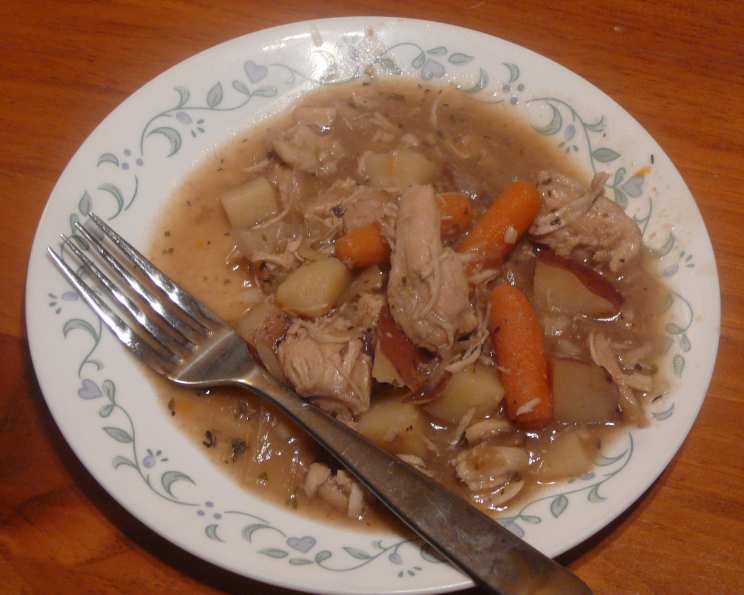
Coq Au Vin: A Timeless Classic
The first time I tasted Coq au Vin, I was a wide-eyed culinary student, intimidated by the rich tapestry of French cuisine. Chef Dubois, a man whose mustache quivered with authority, placed a steaming bowl before me. The aroma alone – wine-soaked chicken, earthy mushrooms, and fragrant herbs – was enough to transport me. One bite, and I understood. It wasn’t just food; it was a story, a slow-cooked symphony of flavors that spoke of rustic kitchens and generations of tradition. I knew then I had to master this dish.
Recipe Overview
- Prep Time: 20 minutes (plus optional marinating time)
- Cook Time: 3-4 hours
- Total Time: 3 hours 20 minutes – 4 hours 20 minutes
- Servings: 6
- Dietary Type: Generally not gluten-free (due to flour), but can be adapted.
Ingredients
- 6 boneless chicken breasts
- 750 ml red wine (such as Riesling or Merlot)
- 3 medium onions, cut into wedges
- 4 carrots, coarsely chopped
- 4 cups baby portabella mushrooms
- 4 minced fresh garlic cloves
- 10 whole black peppercorns
- 1/2 cup flour
- 2 cups chicken stock
- 5 tablespoons olive oil
- 2 tablespoons butter
- 1 (8 ounce) can diced tomatoes, partially drained
- Salt, to taste
- 2 teaspoons parsley
- 2 teaspoons tarragon
- 2 teaspoons thyme
- 1 teaspoon lemon balm
- 2 teaspoons basil
Equipment Needed
- Glass bowl
- Saucepan
- Roasting pan
- Measuring cups and spoons
Instructions
-
Begin by preparing the marinade. In a glass bowl, combine the chicken breasts, red wine, onions, carrots, peppercorns, garlic, and 1 teaspoon of salt. Ensure the chicken is submerged in the wine.
-
Cover the bowl tightly and refrigerate for at least 1 hour, or ideally overnight for a deeper, richer flavor. If you’re short on time, don’t worry; the dish will still be delicious, but the extended marinating period truly enhances the depth of flavor.
-
When you’re ready to cook, preheat your oven to 350 degrees Fahrenheit (175 degrees Celsius).
-
Drain the chicken and vegetables from the marinade, reserving all of the flavorful juices. Don’t discard this liquid gold; it’s the key to the sauce!
-
Heat a large saucepan over medium-high heat. Add the olive oil and butter. The combination of oil and butter provides both a higher smoke point and a richer flavor.
-
Place the flour in a shallow dish. Dredge each chicken breast in the flour, ensuring it’s evenly coated. This will help create a beautiful golden crust and also thicken the sauce later on.
-
Carefully place the floured chicken into the hot pan. Cook until all sides are golden brown, but the chicken doesn’t need to be fully cooked through at this stage. The goal is to develop a flavorful sear.
-
Transfer the seared chicken to a roasting pan. Arrange the reserved vegetables (onions and carrots) around the chicken.
-
Now for the magic: deglaze the saucepan with the reserved marinade. Pour the marinade into the pan and bring it to a simmer, scraping up any browned bits from the bottom of the pan. These browned bits, known as fond, are packed with flavor and will add depth to the sauce. Simmer for a few minutes to reduce the liquid slightly.
-
Pour the deglaze and any remaining marinade into the roasting pan, over the chicken and vegetables. Add the chicken stock, diced tomatoes (partially drained), parsley, tarragon, thyme, lemon balm, and basil to the roasting pan.
-
Cover the roasting pan tightly with a lid or aluminum foil. Bake in the preheated oven for 3 to 4 hours. The chicken should be incredibly tender and practically falling apart. The long, slow cooking process allows the flavors to meld together beautifully.
-
Remove the roasting pan from the oven. Before serving, check the seasoning and add more salt if needed.
Expert Tips & Tricks
-
Marinating is Key: While a one-hour marinade works in a pinch, an overnight soak truly elevates the dish. The wine tenderizes the chicken and infuses it with complex flavors.
-
Don’t Overcrowd the Pan: When searing the chicken, work in batches if necessary to avoid overcrowding the pan. Overcrowding lowers the temperature and prevents the chicken from browning properly.
-
Adjusting the Sauce: If the sauce is too thin after baking, you can thicken it by simmering it in a saucepan on the stovetop for a few minutes. If it’s too thick, add a little more chicken stock.
-
Wine Selection: Don’t use a wine you wouldn’t drink! However, you don’t need an expensive bottle. A good quality, dry red wine is perfect.
-
Mushroom Variety: While baby portabella mushrooms are recommended, feel free to experiment with other varieties like cremini or shiitake.
Serving & Storage Suggestions
Coq au Vin is best served hot, straight from the roasting pan. Spoon the chicken and vegetables over a bed of creamy mashed potatoes, polenta, or egg noodles to soak up the delicious sauce. Garnish with fresh parsley for a pop of color.
Leftovers can be stored in an airtight container in the refrigerator for up to 3-4 days. To reheat, gently warm the Coq au Vin in a saucepan over low heat, or in the microwave. You can also freeze Coq au Vin for up to 2-3 months. Thaw it overnight in the refrigerator before reheating.
Nutritional Information
| Nutrient | Amount per Serving | % Daily Value |
|---|---|---|
| Calories | 623.2 kcal | N/A |
| Calories from Fat | 269 g | 43% |
| Total Fat | 29.9 g | 46% |
| Saturated Fat | 8.2 g | 40% |
| Cholesterol | 105.4 mg | 35% |
| Sodium | 354.5 mg | 14% |
| Total Carbohydrate | 29.8 g | 9% |
| Dietary Fiber | 3.7 g | 14% |
| Sugars | 8.7 g | 34% |
| Protein | 36.4 g | 72% |
Note: Nutritional information is an estimate and may vary based on specific ingredients and portion sizes.
Variations & Substitutions
- Gluten-Free: Substitute the all-purpose flour with a gluten-free blend. Ensure your chicken stock is also gluten-free.
- Vegetarian/Vegan: Replace the chicken with hearty mushrooms like king oyster or a mix of portobello and shiitake. Use vegetable broth instead of chicken stock.
- Different Proteins: While traditionally made with chicken, you could also experiment with other proteins like bone-in chicken thighs or even rabbit for a truly authentic experience.
- Regional Twists: Incorporate ingredients specific to your region, such as local herbs or wines.
FAQs (Frequently Asked Questions)
Q: Can I use chicken thighs instead of chicken breasts?
A: Absolutely! Chicken thighs are a great alternative, as they tend to be more flavorful and stay moist during the long cooking process. You may need to adjust the cooking time slightly.
Q: What if I don’t have lemon balm?
A: Lemon balm adds a subtle citrus note, but if you don’t have it on hand, you can omit it or substitute it with a little extra thyme or a small piece of lemon zest.
Q: Can I make this in a slow cooker?
A: Yes, you can adapt this recipe for a slow cooker. Sear the chicken and sauté the vegetables as directed, then transfer everything to the slow cooker. Cook on low for 6-8 hours or on high for 3-4 hours.
Q: The sauce is too acidic. How can I fix it?
A: If the sauce is too acidic, you can add a small amount of sugar or a pat of butter to balance the flavors.
Q: Is it necessary to marinate the chicken overnight?
A: While not strictly necessary, marinating the chicken overnight significantly enhances the flavor and tenderness. If you’re short on time, even a one-hour marinade will make a difference.
Final Thoughts
Coq au Vin is more than just a recipe; it’s an invitation to slow down, savor the process, and connect with the rich traditions of French cuisine. Don’t be intimidated by the seemingly long cooking time – the reward is well worth the effort. Gather your ingredients, pour yourself a glass of wine (the same one you’re using for the dish!), and let the aromas fill your kitchen. I encourage you to try this classic recipe, experiment with variations, and share your creations with loved ones. Bon appétit!