
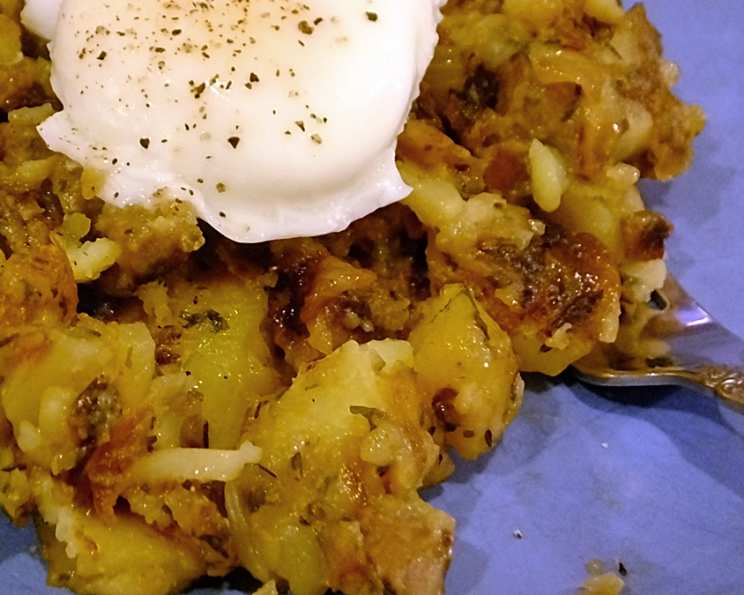
Corned or Roast Beef Hash: A Timeless Comfort Dish
My grandmother, bless her soul, had a way of turning leftovers into culinary masterpieces. I remember, as a child, the sheer delight when she announced that corned beef hash was on the menu. It wasn’t just a meal; it was an event. The savory aroma that filled her kitchen, the satisfying sizzle of the hash in the cast iron skillet, and the perfectly poached egg glistening on top – these are memories etched in my heart, a testament to the simple pleasures of home cooking and the magic of transforming humble ingredients into something truly special.
Recipe Overview
- Prep Time: 20 minutes
- Cook Time: 45 minutes
- Total Time: 1 hour 5 minutes
- Servings: 6
- Dietary Type: Varies (see variations)
Ingredients
- 2 1⁄2 cups onions, finely chopped
- 2 tablespoons butter
- 2 tablespoons olive oil
- 3 tablespoons flour
- 3⁄4 cup beef bouillon or 3/4 cup thin beef gravy
- 4 cups potatoes, boiled and diced (russets are best)
- 4 cups beef, cooked and chopped (corned beef or roast beef)
- 1 tablespoon minced fresh thyme (or a combination of thyme, oregano and sage)
- 6 tablespoons minced fresh parsley
- Salt and pepper to taste
- 1⁄2 cup heavy cream
- 6 poached eggs (optional)
- 1⁄2 cup ketchup or 1/2 cup chili sauce (optional)
Equipment Needed
- Heavy, 12-inch, well-seasoned cast iron skillet
- Spatula
- Lid or pizza pan (or aluminum foil)
Instructions
-
Begin by melting the butter with the olive oil over medium heat in your heavy, 12-inch, well-seasoned cast iron skillet. The combination of butter and olive oil provides both flavor and a higher smoke point, preventing the butter from burning.
-
Add the finely chopped onions to the skillet. Sauté the onions, stirring frequently, for about 6 minutes, or until they become tender and translucent. Stirring frequently ensures even cooking and prevents burning.
-
Raise the heat to medium-high, and brown the onions for a few minutes, stirring occasionally. This step adds depth of flavor to the hash, caramelizing the natural sugars in the onions. Be mindful not to burn them.
-
Lower the heat back to medium, and blend in the flour to make a paste. This is called a roux, and it will help to thicken the hash.
-
If the mixture seems too dry, add a little more butter. The consistency should be that of a thick paste. Stir and cook the flour mixture for 2 minutes, allowing the raw flour taste to cook out.
-
Slowly blend in the beef bouillon (or thin beef gravy). Stir continuously to prevent lumps from forming. Bring the mixture to a boil, which will further thicken the sauce.
-
Now it’s time to incorporate the heart of the hash. Mix in the diced potatoes, chopped beef (either corned beef or roast beef), minced fresh thyme (or your herb combination), salt, pepper, and minced fresh parsley. Ensure all ingredients are well combined.
-
Blend in the heavy cream. The cream adds richness and moisture to the hash, creating a more luxurious texture. Stir until the cream is fully incorporated.
-
Using the flat of a spatula, press the hash down firmly in the skillet. This compacts the mixture, encouraging the formation of a delicious crust on the bottom.
-
Set a cover over the pan. If you have a lid that fits, use it. If not, a round pizza pan with a heavy object on top will work, or you can simply cover the skillet tightly with aluminum foil.
-
Cook the hash slowly for 15 minutes, or until it has crusted on the bottom. The crust is the key to great hash, providing a textural contrast to the soft interior.
-
After the first 15 minutes, stir the hash to mix some of the crust into the mixture. This distributes the flavor and adds complexity to the dish.
-
If the hash seems dry, add more beef liquid or cream. Repeat the covering and cooking step two more times, for another 15 minutes each time, stirring in some of the crust each time and adding liquid if needed.
-
Be careful not to cook the hash over too high heat, or to overcook it. Overcooking will dry it out or, worse, burn it.
-
The last time, turn the heat up slightly during the last 5-10 minutes to encourage a nice brown crust to form on the bottom.
-
Do not stir this last crust into the hash. This final crust will be the star of the show.
-
To serve, cut the hash into wedges and carefully flip them upside down onto a plate. This presents the hash with the beautiful, crispy crust side up.
-
Serve immediately. A poached egg and a dollop of fresh tomato sauce, ketchup, or chili sauce on top are optional but highly recommended!
Expert Tips & Tricks
- Don’t overcrowd the pan: Using a skillet that is too small will prevent the hash from browning properly.
- Day-old potatoes are best: Using potatoes that have been cooked and cooled overnight will help them hold their shape better when diced and added to the hash.
- Customize your herbs: Feel free to experiment with different herb combinations. Rosemary, sage, and thyme all pair well with beef and potatoes.
- Make ahead: The hash can be made ahead of time and reheated. This makes it a great option for brunch or a quick weeknight meal. Cook as instructed, then let cool completely. Store in an airtight container in the refrigerator for up to 3 days. To reheat, simply heat in a skillet over medium heat, stirring occasionally, until warmed through.
- Crispy crust guarantee: Don’t skip pressing the hash down with a spatula before covering it. This ensures maximum contact with the hot skillet surface, leading to a more substantial crust.
Serving & Storage Suggestions
Corned or roast beef hash is best served hot, straight from the skillet. As mentioned above, a poached egg adds a touch of richness and elegance. A simple green salad complements the savory flavors of the hash nicely.
Leftovers can be stored in an airtight container in the refrigerator for up to 3 days. To reheat, heat in a skillet over medium heat, stirring occasionally, until warmed through. You can also reheat it in the microwave, but the crust will lose some of its crispness. Hash does not freeze well.
Nutritional Information
Please note that the following information is an estimate and can vary based on specific ingredients and portion sizes.
| Nutrient | Amount per Serving | % Daily Value |
|---|---|---|
| Calories | 450 kcal | 23% |
| Total Fat | 25g | 38% |
| Saturated Fat | 12g | 60% |
| Cholesterol | 100mg | 33% |
| Sodium | 800mg | 35% |
| Total Carbohydrate | 35g | 12% |
| Dietary Fiber | 4g | 16% |
| Sugars | 5g | – |
| Protein | 20g | 40% |
Variations & Substitutions
- Vegetarian Hash: Substitute the beef with cooked lentils or mushrooms for a vegetarian version. Use vegetable broth instead of beef bouillon.
- Spicy Hash: Add a pinch of red pepper flakes or a dash of hot sauce to the hash for a kick.
- Sweet Potato Hash: Replace the russet potatoes with sweet potatoes for a sweeter, more colorful hash.
- Dairy-Free Hash: Substitute the heavy cream with a plant-based cream alternative, such as oat cream or cashew cream.
- Corned Beef vs. Roast Beef: While this recipe works beautifully with both, corned beef will result in a saltier, tangier hash, while roast beef provides a richer, more savory flavor.
FAQs (Frequently Asked Questions)
Q: Can I use canned potatoes instead of boiling them myself?
A: While fresh, boiled potatoes are recommended for the best texture, you can use canned potatoes in a pinch. Just be sure to drain them well and dice them before adding them to the hash.
Q: What kind of skillet is best for making hash?
A: A heavy, well-seasoned cast iron skillet is ideal for making hash. It distributes heat evenly and helps to create a crispy crust. However, any heavy-bottomed skillet will work.
Q: How do I prevent the hash from sticking to the skillet?
A: Make sure your skillet is well-seasoned and use enough butter and oil. Also, avoid stirring the hash too frequently while it’s cooking.
Q: Can I add other vegetables to the hash?
A: Absolutely! Diced bell peppers, celery, or carrots can be added to the skillet along with the onions for added flavor and texture.
Q: What’s the best way to poach eggs?
A: Fill a saucepan with about 3 inches of water and bring it to a simmer. Crack each egg into a small bowl. Create a gentle whirlpool in the simmering water with a spoon. Gently slide each egg into the whirlpool. Cook for 3-4 minutes, or until the whites are set and the yolks are still runny. Remove with a slotted spoon and serve immediately.
Final Thoughts
Corned or roast beef hash is more than just a way to use up leftovers; it’s a celebration of simple, wholesome ingredients and the art of transforming them into something truly delicious. I encourage you to try this recipe and create your own version of this classic comfort dish. Don’t be afraid to experiment with different herbs, vegetables, and toppings to make it your own. And most importantly, share it with the people you love. Good food, like good memories, is best enjoyed together. Bon appétit!