
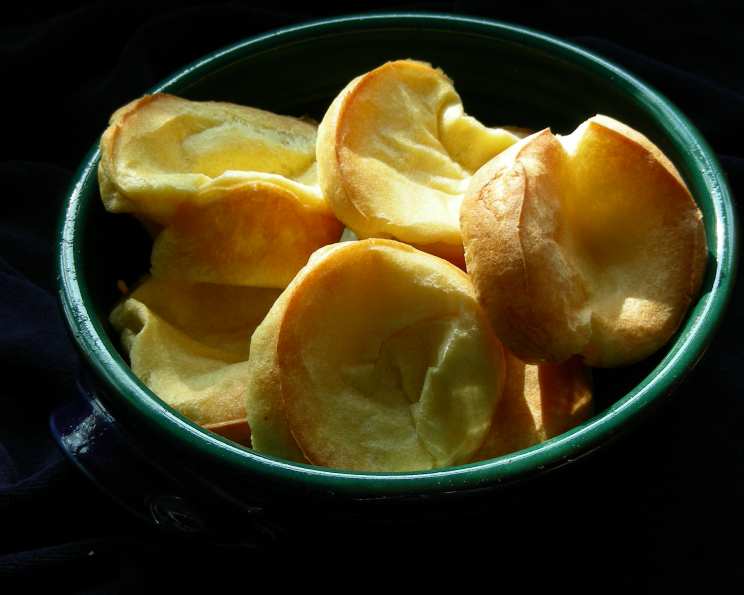
Delicious Yorkshire Pudding: A Culinary Classic
The aroma still brings me back. I can almost feel the warmth of my grandmother’s kitchen, the clatter of pans, and the comforting scent of Sunday roast mingling with the uniquely savory fragrance of Yorkshire pudding. They always rose tall and golden, a testament to her years of practice and a simple recipe passed down through generations. For me, a perfect Yorkshire pudding isn’t just a side dish; it’s a warm hug of nostalgia, a symbol of family gatherings and cherished traditions.
Recipe Overview
- Prep Time: 10 minutes
- Cook Time: 20-30 minutes
- Total Time: 30-40 minutes
- Servings: 6
- Yield: 6 Yorkshire Puddings
- Dietary Type: Not Gluten-Free
Ingredients
- 7/8 cup flour
- 1/2 teaspoon salt
- 1/2 cup milk
- 2 eggs
- 1/2 cup water
- 1/2 cup vegetable oil
Equipment Needed
- Muffin tin
- Mixing bowl
- Whisk or electric mixer
Instructions
- Preheat your oven to 400°F (200°C). Some cooks prefer 350°F (175°C) for 30 minutes, so be prepared to adjust based on your oven.
- Sift the flour and salt into a mixing bowl. This ensures a light and airy texture.
- Gradually stir in the milk until the mixture is smooth. Be careful to avoid lumps.
- In a separate small bowl, beat the eggs lightly.
- Stir the beaten eggs into the flour and milk mixture.
- Add the water and continue to stir until combined.
- Beat the batter vigorously until large bubbles rise to the surface. This step is crucial for achieving that signature rise. An electric mixer works great for this but is not essential.
- While the batter rests, prepare your muffin tin. Add about 1/4 inch of vegetable oil to each muffin cup.
- Place the muffin tin with the oil in the preheated oven until the oil is very hot. This is KEY to the success of the recipe! The oil should almost be smoking.
- Carefully remove the hot muffin tin from the oven. Working quickly, pour the batter into each muffin cup, filling them about two-thirds full.
- Immediately return the muffin tin to the oven and bake for approximately 20 minutes at 400°F (200°C), or until the Yorkshire puddings are puffed up, golden brown, and crisp around the edges. If using the lower temperature of 350°F (175°C), bake for 30 minutes.
- Do not open the oven door during the first 15 minutes of baking, as this can cause the puddings to deflate.
- Once the puddings are golden and puffed, remove them from the oven and serve immediately.
Expert Tips & Tricks
- Room Temperature is Key: Make sure all your ingredients are at room temperature. This helps the batter emulsify properly and rise evenly.
- Hot Oil, Hot Oven: The secret to tall, airy Yorkshire puddings is extremely hot oil and a hot oven. Don’t skimp on preheating!
- Don’t Overmix: Overmixing develops the gluten in the flour, resulting in a tougher pudding. Mix until just combined.
- Resist the Urge: As mentioned before, don’t open the oven door during the initial baking phase. This will release heat and could cause your puddings to collapse.
- Crispy Bottoms: For extra crispy bottoms, preheat the muffin tin in the oven for a few minutes before adding the oil, then heat with the oil.
- Alternative Baking Vessels: If you don’t have a muffin tin, you can use a larger baking dish. The Yorkshire pudding will bake as one large pudding rather than individual ones.
Serving & Storage Suggestions
Yorkshire puddings are best served immediately while they are still warm, puffed up, and crispy. Traditionally, they are served alongside a roast dinner, especially roast beef, and gravy. They are perfect for soaking up all those delicious savory juices.
Leftovers can be stored in an airtight container in the refrigerator for up to 2 days. To reheat, place them in a preheated oven at 350°F (175°C) for a few minutes until warmed through and crispy again. Microwaving is not recommended, as it will make them soggy.
Nutritional Information
Estimated values, may vary based on specific ingredients and portion size.
| Nutrient | Amount per Serving | % Daily Value |
|---|---|---|
| Calories | 265 kcal | 13% |
| Total Fat | 21g | 32% |
| Saturated Fat | 3g | 15% |
| Cholesterol | 73mg | 24% |
| Sodium | 228mg | 10% |
| Total Carbohydrate | 15g | 5% |
| Dietary Fiber | 1g | 4% |
| Sugars | 0g | 0% |
| Protein | 5g | 10% |
Variations & Substitutions
- Gluten-Free Yorkshire Puddings: Substitute the regular flour with a gluten-free flour blend. You may need to add a small amount of xanthan gum to help with binding.
- Dairy-Free Yorkshire Puddings: Use a plant-based milk alternative like almond milk or soy milk in place of the regular milk.
- Herb Infused: Add fresh herbs like thyme or rosemary to the batter for a flavorful twist.
- Cheese Yorkshire Puddings: Grate some cheddar cheese into the batter for a savory, cheesy variation.
- Mini Yorkshire Puddings: Use a mini muffin tin to create bite-sized Yorkshire puddings, perfect for appetizers.
FAQs (Frequently Asked Questions)
Q: Why did my Yorkshire puddings not rise?
A: There could be several reasons: the oil wasn’t hot enough, the oven wasn’t hot enough, you opened the oven door too early, or the batter wasn’t beaten enough.
Q: Can I make the batter ahead of time?
A: Yes, you can prepare the batter up to a few hours in advance. Cover and refrigerate it, but make sure to give it a good whisk before pouring it into the hot oil.
Q: Can I use butter instead of vegetable oil?
A: Yes, melted butter can be used, but vegetable oil tends to get hotter and create a crispier result.
Q: How do I prevent my Yorkshire puddings from being soggy?
A: Make sure the oil is very hot before pouring in the batter, and bake them until they are golden brown and crisp. Also, serve them immediately after baking.
Q: What if my Yorkshire puddings are too brown on top but still soft inside?
A: Tent the muffin tin with foil during the last few minutes of baking to prevent them from browning too quickly while still allowing the inside to cook through.
Final Thoughts
Making Yorkshire pudding may seem intimidating at first, but with a few simple tips and tricks, you can master this classic dish. Don’t be afraid to experiment and find what works best in your oven. Serve them alongside your favorite roast, share them with loved ones, and enjoy the delightful flavors and textures of this timeless treat. I encourage you to try this recipe and bring a little bit of tradition into your own kitchen. Your feedback and variations are welcome!