
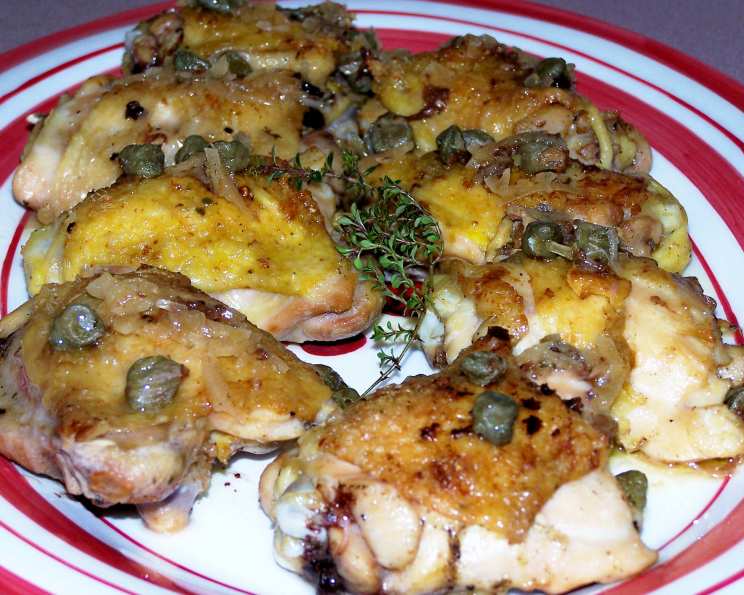
Pan-Roasted Chicken with Mustard and Sherry: A Culinary Symphony
My grandmother, bless her heart, wasn’t one for complicated recipes. Yet, somehow, she had a knack for making simple dishes taste absolutely divine. I remember one Sunday, the aroma of pan-roasted chicken wafted from her kitchen, a scent that promised comfort and warmth. The star of that dish, though, wasn’t just the perfectly browned chicken skin, but the subtle tang of mustard and the delicate sweetness of sherry in the pan sauce. It was a revelation, a reminder that the most memorable meals are often the simplest. To this day, that flavor combination brings me right back to her sunny kitchen, surrounded by family, laughter, and the promise of a delicious meal.
Recipe Overview
- Prep Time: 20 minutes
- Cook Time: 35 minutes
- Total Time: 55 minutes
- Servings: 4
- Dietary Type: Gluten-Free (naturally)
Ingredients
For the Chicken
- 1/2 cup salt
- 1/2 cup sugar
- 4 chicken breasts, 12-14 ounces each (split bone-in, skin-on)
- Black pepper, freshly ground
- 2 tablespoons olive oil
For the Sauce
- 1 tablespoon finely chopped shallot (or scallion)
- 1/2 cup sherry wine
- 3/4 cup chicken stock (low-sodium recommended)
- 1 teaspoon Dijon mustard
- 1/2 teaspoon finely chopped fresh thyme
- 1 tablespoon lemon juice
- 2 teaspoons parsley (finely chopped fresh flat-leaf)
Equipment Needed
- Large bowl or plastic freezer bag
- Paper towels
- Sharp knife
- Heavy 12-inch skillet (oven-safe)
- Oven
- Instant-read thermometer
- Warm platter
- Aluminum foil
Instructions
-
Brine the Chicken: In a large bowl (or a large plastic freezer bag), dissolve the salt and sugar in 2 quarts of cold water. Submerge the chicken breasts in the brine. Ensure the chicken is fully covered. Refrigerate for about 1 hour to allow the chicken to fully season. This step is crucial for moist and flavorful chicken. Note: If using Kosher chicken, skip this step.
-
Rinse and Dry: After brining, remove the chicken from the brine. Rinse it thoroughly under cold running water to remove excess salt. Dry the chicken completely, inside and out, with paper towels. A dry surface is essential for achieving crispy skin during pan-roasting.
-
Prepare the Oven: Adjust an oven rack to the center position. Preheat the oven to 350°F (175°C).
-
Score the Skin: Using a sharp knife, make three diagonal slashes in the skin of each piece of chicken. Be careful not to cut into the meat itself. This helps the skin render its fat and become extra crispy.
-
Season: Season both sides of the chicken generously with freshly ground black pepper. Hold off on the salt, as the brining process has already seasoned the chicken.
-
Sear the Chicken: Add the olive oil to a heavy 12-inch skillet over medium-high heat. Wait until the oil just starts to smoke – this is key to achieving a good sear. Carefully place the chicken breasts skin-side down in the hot oil. Be cautious, as the oil will splatter. Cook for 7 to 8 minutes, or until the skin is a deep, dark brown color. Resist the urge to move the chicken during this time, as this allows for optimal browning.
-
Roast in the Oven: Turn the chicken breasts skin-side up. Place the entire skillet directly into the preheated oven. Cook for 15 to 25 minutes, or until an instant-read thermometer inserted into the thickest part of each breast registers 165°F (74°C). Cooking time will vary depending on the thickness of the chicken breasts.
-
Rest the Chicken: Carefully remove the skillet from the oven (the handle will be extremely hot, so use oven mitts!). Transfer the chicken to a warm platter and cover loosely with aluminum foil. Allow the chicken to rest for at least 10 minutes. This allows the juices to redistribute, resulting in a more tender and moist final product.
-
Prepare the Sauce: While the chicken rests, pour off all but 1 tablespoon of fat from the skillet. Place the skillet back over high heat. Add the finely chopped shallot (or scallion) and cook for about 30 seconds, until fragrant.
-
Deglaze the Pan: Pour in the sherry wine and chicken stock. Use a spatula to scrape up any browned bits from the bottom of the pan – these bits are packed with flavor and will contribute to a richer, more complex sauce.
-
Reduce the Sauce: Bring the mixture to a rolling boil and cook until the liquid has thickened slightly and has reduced by about two-thirds, approximately 5 minutes. This reduction process concentrates the flavors and creates a luscious sauce.
-
Finish the Sauce: Reduce the heat to low. Add the Dijon mustard and finely chopped fresh thyme. Cook for 1 minute, stirring constantly. Then, add the lemon juice and finely chopped fresh flat-leaf parsley. Cook for another 30 seconds, just until the parsley is wilted and the flavors have melded.
-
Serve: Spoon the sauce generously over the rested chicken breasts and serve immediately.
Expert Tips & Tricks
- Crispy Skin Secret: Patting the chicken completely dry before searing is paramount to achieving that crispy, golden-brown skin we all crave.
- Don’t overcrowd the pan: If your skillet isn’t large enough to fit all the chicken pieces without overcrowding, sear them in batches. Overcrowding lowers the pan temperature and prevents proper browning.
- Temperature is key: Using an instant-read thermometer is the most accurate way to ensure your chicken is cooked to perfection. Don’t rely solely on cooking time.
- Make-Ahead Option: The brine can be prepared a day in advance and stored in the refrigerator. The sauce can also be made ahead of time and reheated gently before serving.
- Dealing with Salty Broth: If using canned chicken broth, opt for a low-sodium version to control the saltiness of the sauce. If your sauce ends up too salty, add a splash of water or a pinch of sugar to balance the flavors.
Serving & Storage Suggestions
Serve the pan-roasted chicken immediately after preparing the sauce, spooning it generously over the chicken breasts. This dish pairs beautifully with roasted vegetables like asparagus, Brussels sprouts, or mashed potatoes. A crisp green salad also provides a refreshing contrast to the richness of the chicken and sauce. For a wine pairing, consider a dry Riesling or a light-bodied Pinot Noir.
Leftover chicken can be stored in an airtight container in the refrigerator for up to 3 days. To reheat, gently warm the chicken in a skillet over medium heat, or in a preheated oven at 350°F (175°C). Reheat the sauce separately in a small saucepan until heated through. Reheating in the microwave is also an option, but the chicken may become slightly drier.
Nutritional Information
| Nutrient | Amount per Serving | % Daily Value |
|---|---|---|
| Calories | 550 kcal | 28% |
| Total Fat | 21g | 32% |
| Saturated Fat | 5g | 25% |
| Cholesterol | 94mg | 31% |
| Sodium | 14325mg | 597% |
| Total Carbohydrate | 32g | 11% |
| Dietary Fiber | 0g | 0% |
| Sugars | 27g | N/A |
| Protein | 32g | 64% |
Note: Sodium levels appear very high. Using low-sodium chicken broth is highly recommended to significantly reduce sodium content.
Variations & Substitutions
- Herb Variations: Experiment with different herbs in the sauce. Rosemary, sage, or tarragon would all be delicious alternatives to thyme.
- Wine Substitutions: If you don’t have sherry wine on hand, you can substitute it with dry white wine, such as Sauvignon Blanc or Pinot Grigio.
- Mustard Variations: Try using a different type of mustard, such as whole-grain mustard or honey mustard, for a unique flavor twist.
- Dairy-Free Option: Ensure the chicken stock used is dairy-free to maintain a dairy-free meal.
- Chicken Thighs: Substitute bone-in, skin-on chicken thighs for the breasts. Adjust cooking time accordingly until an internal temperature of 175°F (80°C) is reached.
FAQs (Frequently Asked Questions)
Q: Can I use boneless, skinless chicken breasts for this recipe?
A: While you can, the bone-in, skin-on breasts provide significantly more flavor and moisture. Boneless, skinless breasts will cook faster, so adjust cooking time accordingly and be careful not to overcook them.
Q: How do I know when the chicken is fully cooked?
A: The most accurate way to determine doneness is to use an instant-read thermometer. Insert the thermometer into the thickest part of the breast, avoiding the bone. The chicken is fully cooked when it reaches an internal temperature of 165°F (74°C).
Q: Can I make this recipe without brining the chicken?
A: Yes, you can, but brining helps to ensure that the chicken stays moist and flavorful during cooking. If you skip the brining step, consider adding a bit more salt and pepper to the chicken before searing.
Q: My sauce is too thin. How can I thicken it?
A: If your sauce isn’t thick enough after reducing, you can create a slurry by whisking together 1 teaspoon of cornstarch with 1 tablespoon of cold water. Add the slurry to the simmering sauce and cook for a minute or two, until thickened.
Q: Can I freeze leftover pan-roasted chicken with mustard and sherry sauce?
A: While you can freeze it, the texture of the chicken and sauce may change slightly upon thawing. For best results, freeze the chicken and sauce separately in airtight containers. Thaw completely in the refrigerator before reheating.
Final Thoughts
This pan-roasted chicken with mustard and sherry is more than just a recipe; it’s a celebration of simple ingredients transformed into something truly special. The combination of crispy chicken skin, tender meat, and a tangy, flavorful sauce is guaranteed to impress. I encourage you to try this recipe and experience the magic for yourself. Don’t be afraid to experiment with different herbs and wine variations to create your own signature version. Serve it with your favorite sides and a glass of wine, and enjoy a truly unforgettable meal. And be sure to let me know what you think!