
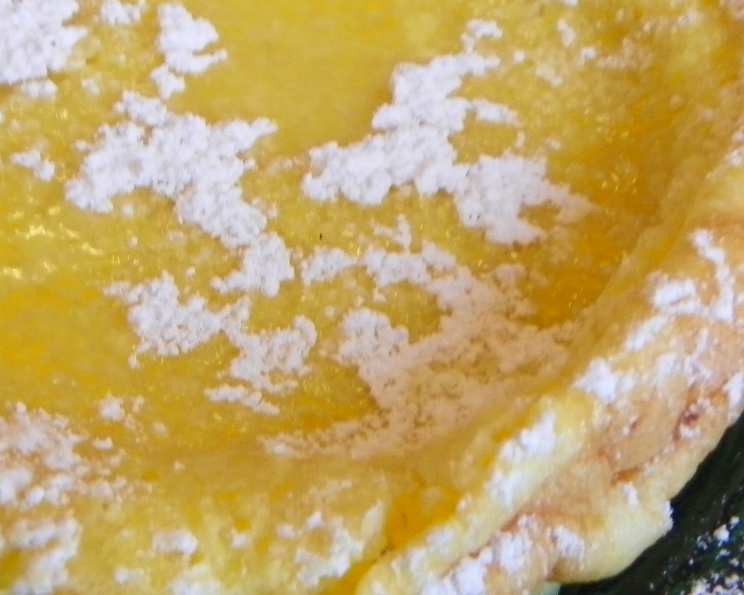
Dutch Baby: A Culinary Hug in a Pan
I can still remember the first time I tasted a Dutch Baby. It was a chilly autumn morning at my sister Daralyn’s house, and the aroma of warm butter and caramelized sweetness filled the air. A golden, puffed pancake, dramatically risen and slightly crisp around the edges, was presented at the table. It was love at first bite. She later told me it had become her family’s birthday breakfast tradition – a celebration of another year with a truly unforgettable treat.
Recipe Overview
- Prep Time: 5 minutes
- Cook Time: 15 minutes
- Total Time: 20 minutes
- Servings: 2
- Dietary Type: Vegetarian
Ingredients
- 3 eggs
- ½ cup milk
- ½ cup flour
- ¼ teaspoon salt
- 1 tablespoon butter
Equipment Needed
- Wire whisk
- Fork
- Cast-iron skillet (8-inch or similar) or 8×8 baking dish with at least 2-inch sides
- Oven
Instructions
-
Preheat your oven to 450°F (232°C). It’s crucial that the oven is fully heated before baking the Dutch Baby to ensure proper puffing.
-
In a mixing bowl, beat the eggs vigorously with a wire whisk until they are well aerated. This step incorporates air into the batter, which is key to the pancake’s light and airy texture.
-
Add the milk to the beaten eggs and whisk again to combine thoroughly.
-
Add the salt and flour to the egg and milk mixture. Gently stir with a fork until just blended. Avoid overmixing; a few small lumps are perfectly fine. Overmixing develops the gluten in the flour, leading to a tougher pancake.
-
While preparing the batter, place the butter in the cast-iron skillet or baking dish. Place the skillet in the preheating oven to melt the butter. This ensures the pan is hot and well-greased when the batter is added.
-
Once the butter is melted and the pan is hot, carefully remove the skillet from the oven. Quickly swirl the melted butter around to coat the entire bottom and sides of the pan. This prevents sticking and allows the pancake to climb the sides during baking, creating its signature shape.
-
Pour the batter into the hot, buttered skillet.
-
Bake in the preheated oven for 15 minutes. The Dutch Baby will puff up dramatically during baking and turn a beautiful golden brown.
-
Remove from the oven and serve immediately. The pancake will deflate slightly as it cools, which is perfectly normal.
Expert Tips & Tricks
- Room Temperature Ingredients: Using room temperature eggs and milk helps them emulsify better, resulting in a smoother batter and a more even rise. Take your eggs and milk out about 30 minutes before starting.
- Hot Pan is Key: Don’t skimp on preheating the pan with the butter. A screaming hot pan is essential for the initial puff and prevents the pancake from sticking. If you don’t have a cast-iron skillet, ensure your baking dish is oven-safe and can withstand high temperatures.
- Don’t Open the Oven Door: Resist the urge to peek while the Dutch Baby is baking! Opening the oven door releases heat and can cause the pancake to deflate.
- Lump-Free (But Not Overmixed) Batter: While you want to avoid large lumps in your batter, it’s equally important not to overmix. A slightly lumpy batter is better than an overmixed one.
- High Sides: Use a pan with at least 2″ high sides. This allows the pancake to properly climb as it bakes!
Serving & Storage Suggestions
A Dutch Baby is best served immediately while it’s still warm and puffed. It’s traditionally served with a dusting of powdered sugar, a drizzle of maple syrup, and a pat of butter. A squeeze of fresh lemon juice adds a delightful tang that complements the sweetness. You can also top it with fresh berries, sliced peaches, sliced apples, or other seasonal fruit. Whipped cream is always a welcome addition!
Leftovers can be stored in an airtight container in the refrigerator for up to 2 days. However, the texture will change as the pancake deflates and becomes slightly denser. To reheat, warm it in a preheated oven at 350°F (175°C) for a few minutes until heated through. Microwaving is not recommended as it can make the pancake rubbery.
Nutritional Information
Note: Nutritional information is an estimate and may vary based on specific ingredients and serving sizes.
| Nutrient | Amount per Serving | % Daily Value |
|---|---|---|
| Calories | 310 kcal | 16% |
| Total Fat | 15 g | 23% |
| Saturated Fat | 7 g | 35% |
| Cholesterol | 302 mg | 100% |
| Sodium | 478 mg | 20% |
| Total Carbohydrate | 27 g | 9% |
| Dietary Fiber | 0.8 g | 3% |
| Sugars | 0.4 g | 1% |
| Protein | 14 g | 28% |
Variations & Substitutions
- Gluten-Free Dutch Baby: Substitute the all-purpose flour with a gluten-free blend. A 1:1 gluten-free baking flour works well.
- Dairy-Free Dutch Baby: Replace the milk with your favorite non-dairy milk alternative, such as almond milk, soy milk, or oat milk. Use a dairy-free butter substitute or coconut oil for greasing the pan.
- Lemon-Ricotta Dutch Baby: Mix a dollop of ricotta cheese and a teaspoon of lemon zest into the batter for a tangy and creamy variation.
- Savory Dutch Baby: Omit the salt and add a pinch of black pepper and a sprinkle of your favorite herbs, such as thyme or rosemary. Top with sautéed vegetables and grated cheese after baking for a savory twist.
- Chocolate Dutch Baby: Add 1-2 tablespoons of cocoa powder to the batter for a chocolatey delight. Top with chocolate syrup and fresh berries.
FAQs (Frequently Asked Questions)
Q: Why did my Dutch Baby not puff up?
A: Several factors can contribute to a flat Dutch Baby. The most common causes are an oven that isn’t hot enough, a batter that is overmixed, or opening the oven door during baking. Make sure your oven is preheated to 450°F (232°C) and resist the urge to peek!
Q: Can I make the batter ahead of time?
A: It’s best to bake the Dutch Baby immediately after mixing the batter. Letting the batter sit for too long can cause the gluten to develop, resulting in a tougher pancake.
Q: Can I use a different size pan?
A: Yes, but you may need to adjust the baking time. If using a larger pan, the pancake will be thinner and may bake faster. For a 9×13 inch pan, you’ll likely need to double the recipe.
Q: My Dutch Baby deflated as soon as I took it out of the oven. Is that normal?
A: Yes, some deflation is normal. The pancake will puff up dramatically during baking, but it will deflate slightly as it cools.
Q: Can I add fruit directly to the batter?
A: It’s generally best to add fruit after baking. Adding fruit to the batter can weigh it down and prevent it from puffing properly. However, if you want to add a small amount of berries, you can gently fold them in just before pouring the batter into the hot skillet.
Final Thoughts
The Dutch Baby is more than just a pancake; it’s an experience. It’s a dish that brings joy and warmth to any occasion. Its simplicity belies its elegance and impressive presentation. So, gather your ingredients, preheat your oven, and prepare to be amazed. Whether you serve it for a special birthday breakfast or a cozy weekend brunch, this culinary hug in a pan is sure to become a family favorite. Don’t hesitate to experiment with different toppings and variations to create your own signature Dutch Baby. And, please, share your creations and feedback—I’d love to hear how it turns out!