
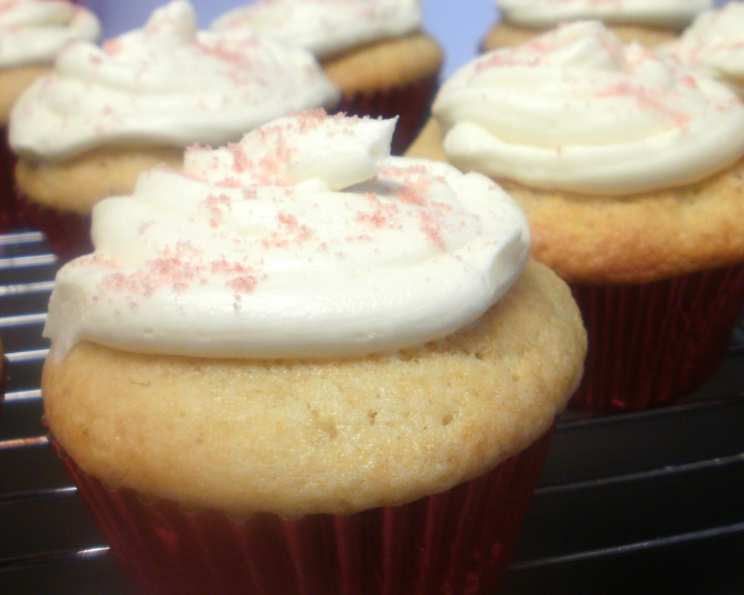
Mean Chef’s Vanilla Buttermilk Cupcakes
There’s something undeniably comforting about a simple vanilla cupcake. My earliest baking memories are filled with the scent of these treats wafting from my grandmother’s oven. She always let me lick the spoon, and the pure, sweet vanilla flavor, combined with the tang of buttermilk, transported me to a world of pure bliss. This recipe, which I’ve come to know and love, captures that same magic, a testament to the enduring appeal of simple, well-made classics.
Recipe Overview
- Prep Time: 15 minutes
- Cook Time: 20-25 minutes
- Total Time: 40 minutes
- Servings: 12
- Yield: 12 cupcakes
- Dietary Type: Not specified (Contains Dairy & Gluten)
Ingredients
- 6 tablespoons unsalted butter, at room temperature
- 1 cup sugar, plus 2 tablespoons sugar
- 2 large eggs
- 1 teaspoon vanilla extract
- 2 cups all-purpose flour
- 2 teaspoons baking powder
- 1/2 teaspoon salt
- 2/3 cup buttermilk
Equipment Needed
- Mixer (stand or hand-held)
- Measuring cups and spoons
- Sifter
- Muffin tin
- Paper liners (optional, but recommended)
- Cooling rack
Instructions
- Preheat your oven to 350°F (175°C). Line a muffin tin with paper liners or grease it well. The liners will make for easier removal and prettier presentation, but greasing works perfectly fine if you don’t have any.
- In a large bowl, cream together the softened butter and 1 cup of sugar (reserving the extra 2 tablespoons) using a mixer on medium speed. Continue beating until the mixture is light and fluffy. This process, called creaming, is crucial for incorporating air into the batter, resulting in a tender cupcake.
- Add the eggs, one at a time, beating well after each addition. Make sure each egg is fully incorporated before adding the next. Then, stir in the vanilla extract. Don’t skimp on the vanilla; it’s a key flavor component.
- In a separate bowl, sift together the flour, baking powder, and salt. Sifting ensures there are no lumps in the flour and helps the baking powder distribute evenly, leading to a better rise.
- With the mixer on low speed, gradually add the dry ingredients to the wet ingredients. Begin by adding one-third of the flour mixture, followed by one-third of the buttermilk. Repeat, alternating between the flour mixture and buttermilk, until all the ingredients are incorporated. The alternating method prevents the gluten in the flour from overdeveloping, which can lead to tough cupcakes.
- Once all the flour is incorporated, beat the mixture on medium speed just until well blended. Be careful not to overmix at this stage, as overmixing can also result in tough cupcakes.
- Fill each paper-lined or buttered muffin cup (1/3-cup capacity) about three-fourths full with batter, using approximately 1/4 cup of batter for each. Leaving a little space at the top prevents the cupcakes from overflowing during baking.
- Bake in the preheated 350°F (175°C) oven for 20 to 25 minutes. To check for doneness, insert a toothpick into the center of a cupcake. If the toothpick comes out clean or with just a few moist crumbs attached, the cupcakes are done. You can also gently touch the tops; they should spring back when lightly touched.
- Remove the muffin tin from the oven and let the cupcakes cool in the tin for 5 minutes. This allows them to set slightly before transferring them to a cooling rack.
- Transfer the cupcakes to a wire rack to cool completely. This prevents condensation from forming on the bottom of the cupcakes, which can make them soggy.
- Once the cupcakes are completely cool, decorate with your favorite frosting. A simple buttercream or a cream cheese frosting works wonderfully.
Expert Tips & Tricks
- For a richer flavor, use browned butter instead of regular softened butter. Brown the butter in a saucepan over medium heat until it turns a nutty brown color, then let it cool and solidify slightly before using it in the recipe.
- To prevent the cupcakes from sticking to the paper liners, lightly spray the inside of the liners with non-stick cooking spray before filling them with batter.
- If you don’t have buttermilk, you can make a quick substitute by adding 1 tablespoon of lemon juice or white vinegar to 2/3 cup of milk. Let it sit for 5 minutes before using it in the recipe.
- For a more intense vanilla flavor, use vanilla bean paste instead of vanilla extract. Use the same amount as the extract.
- If your oven runs hot, start checking the cupcakes for doneness a few minutes before the suggested baking time.
Serving & Storage Suggestions
These Vanilla Buttermilk Cupcakes are best served at room temperature. They’re perfect for afternoon tea, birthday parties, or any occasion that calls for a sweet treat. Store leftover cupcakes in an airtight container at room temperature for up to 3 days, or in the refrigerator for up to 5 days. For longer storage, you can freeze the unfrosted cupcakes for up to 2 months. To thaw, simply leave them at room temperature for a few hours.
Nutritional Information
(Estimated, without frosting)
| Nutrient | Amount per Serving | % Daily Value |
|---|---|---|
| Calories | 218 kcal | 11% |
| Total Fat | 6.9 g | 9% |
| Saturated Fat | 4 g | 20% |
| Cholesterol | 47 mg | 16% |
| Sodium | 185 mg | 8% |
| Total Carbohydrate | 36 g | 13% |
| Dietary Fiber | 1 g | 4% |
| Sugars | 20 g | |
| Protein | 4 g | 8% |
Variations & Substitutions
- Lemon Vanilla Cupcakes: Add the zest of one lemon to the batter for a bright, citrusy twist.
- Chocolate Chip Cupcakes: Fold 1/2 cup of chocolate chips into the batter before filling the muffin cups.
- Gluten-Free Cupcakes: Substitute the all-purpose flour with a gluten-free all-purpose flour blend.
- Dairy-Free Cupcakes: Replace the butter with a vegan butter substitute and the buttermilk with a dairy-free buttermilk alternative (made with plant-based milk and lemon juice or vinegar).
- Spiced Vanilla Cupcakes: Add 1/2 teaspoon of ground cinnamon or nutmeg to the dry ingredients for a warm, cozy flavor.
FAQs (Frequently Asked Questions)
Q: Why is buttermilk used in this recipe?
A: Buttermilk adds a subtle tanginess to the cupcakes and helps to create a more tender crumb. The acidity in buttermilk also reacts with the baking powder, contributing to the rise.
Q: Can I use self-rising flour instead of all-purpose flour and baking powder?
A: No, it’s not recommended. Self-rising flour already contains baking powder and salt, and using it in this recipe would throw off the balance of ingredients, potentially resulting in flat or overly salty cupcakes.
Q: How do I prevent my cupcakes from sinking in the middle?
A: Make sure your oven temperature is accurate, and avoid opening the oven door frequently during baking. Overmixing the batter can also cause cupcakes to sink.
Q: Can I frost these cupcakes while they are still warm?
A: No, you should always wait until the cupcakes are completely cool before frosting them. Frosting warm cupcakes will cause the frosting to melt and slide off.
Q: What kind of frosting goes well with these cupcakes?
A: A classic vanilla buttercream, chocolate buttercream, cream cheese frosting, or even a simple dusting of powdered sugar all complement these cupcakes perfectly.
Final Thoughts
There’s a reason why vanilla cupcakes remain a timeless classic. Their simple elegance and versatility make them perfect for any occasion. I encourage you to try this recipe and experience the joy of baking these delightful treats for yourself. Don’t be afraid to experiment with different frostings and decorations to make them your own. Happy baking!