
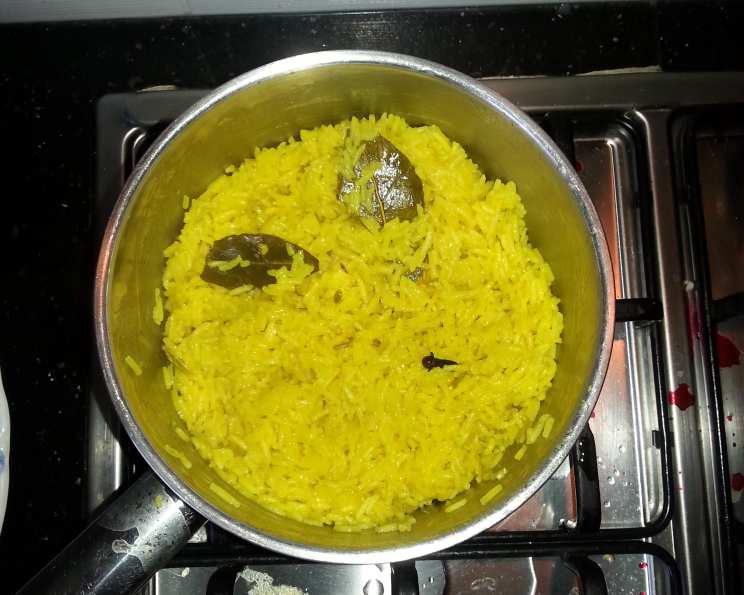
Easy Pilau Rice: Aromatic Comfort in Every Grain
The first time I tasted truly exceptional pilau rice, I was a backpacking student in India, invited into a family’s home for dinner. The matriarch, with a twinkle in her eye, served a steaming mound of golden rice alongside a flavorful lentil curry. Each grain was perfectly distinct, subtly infused with warming spices, and undeniably comforting. It was more than just a side dish; it was an expression of love and hospitality, a memory I cherish to this day. That experience sparked a lifelong fascination with pilau rice, and I’ve been chasing that perfect combination of flavor and texture ever since. This recipe is my simple, reliable version, perfect for weeknight dinners or special occasions.
Recipe Overview
- Prep Time: 2 minutes
- Cook Time: 15 minutes
- Total Time: 17 minutes
- Servings: 2
- Dietary Type: Gluten-Free
Ingredients
- 1 ounce butter
- 1 cup basmati rice
- 1 teaspoon turmeric
- 1 bay leaf
- 4 green cardamom pods
- 4 cloves
- 1⁄2 teaspoon fennel seed
- 1 teaspoon salt
- 1 1⁄2 cups boiling water
Equipment Needed
- Saucepan with tight-fitting lid
Instructions
- Begin by melting the butter in a medium-sized saucepan over medium heat. The butter should be fully melted but not browned.
- Add the basmati rice to the saucepan. Stir continuously until each grain is coated in the melted butter. This step is crucial, as it helps to toast the rice slightly, enhancing its nutty flavor and preventing it from becoming sticky.
- Introduce the spices: Add the turmeric, bay leaf, green cardamom pods, cloves, and fennel seed to the rice. Stir well to distribute the spices evenly. The turmeric will give the rice its characteristic golden hue, while the other spices contribute to its aromatic complexity.
- Season the mixture with salt. Stir briefly to ensure the salt is distributed.
- Pour in the boiling water. Be careful as it may splatter slightly. The boiling water is essential for achieving the correct rice-to-water ratio and ensuring even cooking.
- Bring the mixture back to a simmer, then immediately reduce the heat to the lowest setting possible on your stove.
- Cover the saucepan tightly with a well-fitting lid. It is important that the lid creates a good seal to trap the steam, which is essential for cooking the rice properly.
- Simmer on low heat for exactly 15 minutes. It is absolutely crucial not to stir the rice during this time. Stirring can release starch and make the rice sticky.
- After 15 minutes, remove the saucepan from the heat. Let the rice stand, covered, for an additional 5 minutes. This allows the steam to continue cooking the rice and helps it to fluff up.
- Finally, fluff the rice gently with a fork before serving. Be careful not to over-mix, as this can also make the rice sticky. Remember to remove the bay leaf, cloves, and cardamom pods before serving, as they are primarily for flavoring and not meant to be eaten.
Expert Tips & Tricks
- Rice Washing: Rinsing the basmati rice under cold water before cooking helps to remove excess starch, resulting in fluffier grains. However, for this recipe, because of the brief toasting in butter, washing isn’t as crucial. Just be sure to use good quality basmati.
- Spice Level Adjustment: Adjust the amount of spices according to your taste preferences. If you prefer a milder flavor, use fewer cloves or fennel seed. For a spicier pilau, consider adding a pinch of chili flakes.
- Butter Alternatives: While butter adds richness and flavor, you can substitute it with ghee (clarified butter) for an even more authentic taste or use a neutral-flavored oil like vegetable or canola oil for a vegan option.
- Doneness Check: If the rice is still slightly undercooked after 15 minutes of simmering, add a tablespoon or two of boiling water, cover, and cook for another 2-3 minutes.
- Preventing Sticking: If the rice tends to stick to the bottom of the pan, use a heavy-bottomed saucepan to distribute heat more evenly.
Serving & Storage Suggestions
Serve the pilau rice hot as a side dish with curries, stews, roasted meats, or grilled vegetables. It pairs particularly well with Indian, Middle Eastern, and Persian cuisines. The bright yellow color and aromatic spices make it an attractive addition to any meal.
Leftover pilau rice can be stored in an airtight container in the refrigerator for up to 3 days. To reheat, add a tablespoon of water per cup of rice, cover, and microwave on medium power until heated through. Alternatively, you can reheat it gently in a saucepan on the stovetop. Freezing is not generally recommended as it can alter the texture of the rice, making it mushy.
Nutritional Information
| Nutrient | Amount per Serving | % Daily Value |
|---|---|---|
| Calories | 449.6 kcal | N/A |
| Total Fat | 14.4 g | 22% |
| Saturated Fat | 7.9 g | 39% |
| Cholesterol | 30.5 mg | 10% |
| Sodium | 1276.6 mg | 53% |
| Total Carbohydrate | 72.5 g | 24% |
| Dietary Fiber | 3.7 g | 14% |
| Sugars | 0.8 g | 3% |
| Protein | 7.6 g | 15% |
Variations & Substitutions
- Vegetable Pilau: Add finely diced vegetables like carrots, peas, or bell peppers along with the spices for a more colorful and nutritious dish.
- Nutty Pilau: Incorporate toasted nuts like almonds, cashews, or pistachios after cooking for added texture and flavor.
- Herbaceous Pilau: Fresh herbs like cilantro, mint, or parsley can be stirred in just before serving for a burst of freshness.
- Saffron Pilau: For a more luxurious pilau, infuse a pinch of saffron threads in warm water and add it to the rice along with the boiling water. This will impart a vibrant yellow color and a delicate floral aroma.
- Coconut Pilau: Substitute half of the boiling water with coconut milk for a richer, slightly sweet pilau that pairs well with seafood or Southeast Asian dishes.
- Brown Rice Pilau: Use brown basmati rice instead of white basmati rice. Note that brown rice will require a longer cooking time (approximately 45-50 minutes).
FAQs (Frequently Asked Questions)
Q: Can I use regular rice instead of basmati rice?
A: While you can use other types of rice, basmati rice is recommended for its distinct aroma, fluffy texture, and ability to remain separate when cooked. Other rice types may result in a stickier pilau.
Q: Why is it important not to stir the rice while it’s cooking?
A: Stirring the rice releases starch, which can make the pilau sticky and less fluffy. Leaving it undisturbed allows the grains to cook evenly and retain their individual texture.
Q: How do I know if the rice is fully cooked?
A: The rice is fully cooked when all the water has been absorbed and the grains are tender but not mushy. If there is still water in the pan after 15 minutes, cook for a few more minutes until the water is absorbed.
Q: Can I make this recipe ahead of time?
A: Yes, you can cook the pilau rice ahead of time and reheat it when needed. Store it in an airtight container in the refrigerator for up to 3 days. Add a little water when reheating to prevent it from drying out.
Q: What can I do if my pilau rice is too salty?
A: If the pilau rice is too salty, you can try adding a squeeze of lemon juice or a small amount of sugar to balance the flavors. You can also serve it with a less salty dish to offset the saltiness.
Final Thoughts
Easy Pilau Rice is a testament to the fact that simplicity can be incredibly satisfying. With just a handful of ingredients and a few basic steps, you can create a flavorful and aromatic dish that elevates any meal. I encourage you to try this recipe, experiment with different variations, and make it your own. Don’t be afraid to adjust the spices to your liking and discover your perfect pilau rice. And please, share your experiences and feedback – I’m always eager to learn from your culinary adventures!