
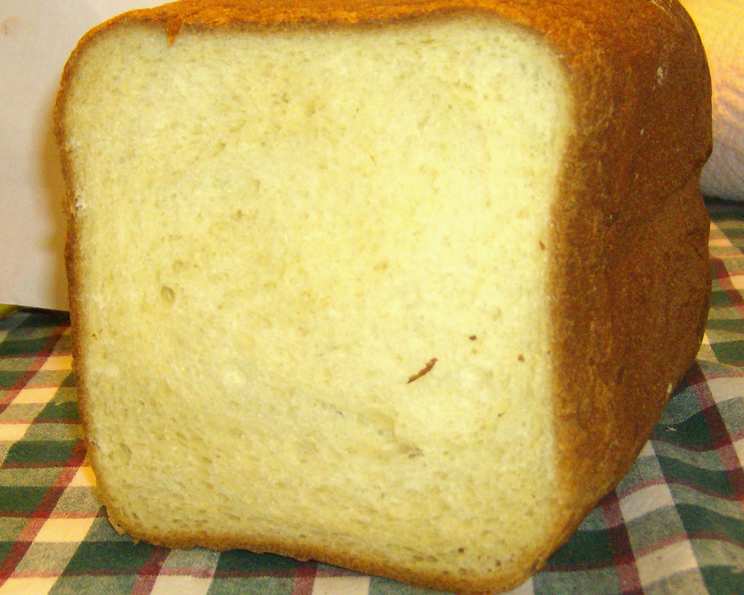
Egg Bread Magic: A Slice of Home
My grandmother, bless her heart, had a way of making the simplest things feel extraordinary. I remember, as a child, walking into her kitchen, the air thick with the yeasty perfume of baking bread. But it wasn’t just any bread; it was her “egg bread,” a golden loaf with a crust that crackled invitingly. Each slice, slathered with homemade strawberry jam, was pure comfort, a tangible expression of her love. It’s a taste I’ve chased ever since, and this recipe comes remarkably close to capturing that childhood memory.
Recipe Overview
- Prep Time: 20 minutes
- Cook Time: 3 hours 10 minutes (including rising time)
- Total Time: 3 hours 30 minutes
- Yield: 1 1/2 pound loaf
- Dietary Type: Not Vegan
Ingredients
- 3/4 cup milk
- 2 eggs
- 1/4 cup sugar
- 1 1/2 teaspoons salt
- 3 tablespoons butter (or margarine)
- 3 cups bread flour
- 1 1/2 teaspoons yeast
Equipment Needed
- Bread machine
Instructions
-
Add all the ingredients into your bread machine in the precise order recommended by the manufacturer of your bread machine. This order is crucial for proper mixing and rising. Some machines require liquids first, followed by dry ingredients, with the yeast added last and kept separate from the salt and sugar initially. Refer to your bread machine’s manual for the best results.
-
Select the basic bread setting on your bread machine. This setting typically includes a kneading cycle, a rising cycle, and a baking cycle.
-
Allow the bread machine to complete its cycle. This will typically take around 3 hours.
-
Once the baking cycle is complete, carefully remove the bread from the machine pan. Use oven mitts, as the pan will be hot.
-
Place the bread on a wire rack to cool completely before slicing. This will prevent the loaf from becoming soggy.
Note: For optimal results, you can enhance the dissolving process of the sugar and salt by gently swirling them within the milk and eggs before incorporating the flour and other ingredients. This ensures even distribution and promotes yeast activation.
Expert Tips & Tricks
- The Float Test: To ensure your yeast is active, dissolve it in a little warm water (about 110°F) with a pinch of sugar. If it foams up within 5-10 minutes, it’s good to go! Inactive yeast will result in a dense, flat loaf.
- Temperature Matters: Using ingredients at room temperature can improve the texture of the bread. Allowing the milk, eggs, and butter to sit out for about 30 minutes before using them can make a noticeable difference.
- Dough Consistency: While this recipe is designed for a bread machine, keep an eye on the dough’s consistency during the kneading process. If it seems too dry, add a tablespoon of water at a time until it forms a smooth, slightly sticky ball. If it’s too wet, add a tablespoon of flour at a time.
- Enhance the Crust: For a shinier crust, brush the top of the loaf with melted butter or an egg wash (1 egg beaten with 1 tablespoon of water) before baking.
- Flavor Boost: Add a teaspoon of vanilla extract to the wet ingredients for a subtle sweetness and enhanced flavor.
- Troubleshooting a Dense Loaf: If your bread consistently comes out dense, it could be due to several factors: inactive yeast, too much flour, not enough liquid, or insufficient kneading. Double-check the freshness of your yeast, measure ingredients accurately, and ensure your bread machine is kneading properly.
- Make-Ahead Tip: You can prepare the dry ingredients (flour, sugar, salt, yeast) ahead of time and store them in an airtight container. This speeds up the bread-making process when you’re ready to bake.
Serving & Storage Suggestions
This egg bread is incredibly versatile. Serve it warm with a generous pat of butter or a dollop of your favorite jam. It’s also fantastic for sandwiches, French toast, or grilled cheese.
To store, let the bread cool completely before wrapping it tightly in plastic wrap or placing it in a bread bag. It will stay fresh at room temperature for 2-3 days. For longer storage, you can freeze the loaf for up to 2 months. Thaw it completely at room temperature before serving. You can also revive slightly stale bread by wrapping it in a damp paper towel and microwaving it for 15-20 seconds.
Nutritional Information
| Nutrient | Amount per Serving | % Daily Value |
|---|---|---|
| Calories | 1429 kcal | N/A |
| Calories from Fat | 329 g | 23% |
| Total Fat | 36.6 g | 56% |
| Saturated Fat | 19.9 g | 99% |
| Cholesterol | 326.1 mg | 108% |
| Sodium | 2690.1 mg | 112% |
| Total Carbohydrate | 231.9 g | 77% |
| Dietary Fiber | 7.8 g | 31% |
| Sugars | 34.2 g | N/A |
| Protein | 40.1 g | 80% |
Note: Nutritional information is an estimate and may vary based on ingredient brands and specific measuring techniques.
Variations & Substitutions
- Sweet Bread: Increase the sugar to 1/2 cup and add 1 teaspoon of ground cinnamon for a sweeter, spiced loaf.
- Herb Bread: Add 2 tablespoons of chopped fresh herbs like rosemary, thyme, or basil to the dry ingredients for a savory twist.
- Cheese Bread: Add 1 cup of shredded cheddar, Monterey Jack, or Parmesan cheese to the dough for a cheesy delight.
- Whole Wheat: Substitute up to 1 1/2 cups of the bread flour with whole wheat flour for a healthier, nuttier loaf. You may need to add a little more liquid if the dough seems too dry.
- Dairy-Free: Replace the milk with unsweetened almond milk or soy milk, and use a dairy-free butter substitute. The taste and texture will be slightly different, but still delicious.
- Gluten-Free Option: Substituting the bread flour in this recipe for an equal amount of gluten-free flour will not work. You would need a recipe specifically formulated to work with gluten-free flour.
FAQs (Frequently Asked Questions)
Q: Can I make this bread without a bread machine?
A: While this recipe is specifically designed for a bread machine, you can adapt it for baking in a conventional oven. You’ll need to knead the dough by hand or with a stand mixer, let it rise in a warm place, and then bake it in a preheated oven.
Q: Why is my bread so dense?
A: Dense bread can be caused by several factors, including inactive yeast, too much flour, not enough liquid, or insufficient kneading. Make sure your yeast is fresh, measure ingredients accurately, and ensure the dough is properly kneaded.
Q: How can I make the crust softer?
A: To achieve a softer crust, brush the top of the loaf with melted butter immediately after baking. You can also try adding a tablespoon of oil to the dough.
Q: Can I add nuts or seeds to this bread?
A: Yes, you can add up to 1/2 cup of chopped nuts or seeds to the dough during the kneading process. Walnuts, pecans, sunflower seeds, and pumpkin seeds all work well.
Q: How do I prevent the bread from sticking to the bread machine pan?
A: Make sure to grease the bread machine pan thoroughly before adding the ingredients. You can use cooking spray, butter, or shortening.
Final Thoughts
Egg bread, at its heart, is more than just a recipe; it’s a symbol of home, comfort, and connection. I urge you to give this recipe a try, and create a slice of magic for yourself and your loved ones. Let the aroma fill your kitchen and transport you to a place of warmth and delicious memories. Don’t hesitate to experiment with variations, and most importantly, share your baking journey with others. Happy baking!