
Baking History: Crafting Authentic Egyptian Barley Bread
My grandmother, bless her soul, was a woman of the world, but her heart always belonged to the sun-baked lands of her ancestors. I remember countless afternoons spent in her kitchen, the air thick with the comforting aroma of yeast and warm grain. While she made many delicious things, her barley bread held a special mystique. It wasn’t just food; it was a taste of history, a connection to a heritage I was just beginning to understand. The slightly nutty, earthy flavor, the satisfying chew, it all transported me, a wide-eyed child, to a place I could only imagine. Recreating this recipe is like stepping back into her kitchen.
Recipe Overview
- Prep Time: 2 hours 35 minutes
- Cook Time: 15-20 minutes
- Total Time: 2 hours 50-55 minutes
- Servings: Varies depending on slice size
- Yield: 1 loaf
- Dietary Type: Vegetarian
Ingredients
- 2 ¼ teaspoons yeast
- ½ cup lukewarm water
- 2 tablespoons honey
- ½ teaspoon salt
- 1 egg, lightly beaten
- 2 tablespoons shortening
- 2 cups barley flour
Equipment Needed
- Large bowl
- Measuring cups and spoons
- Lightly floured surface
- Greased bowl
- Towel
- Baking sheet
- Cooling rack
Instructions
-
Begin by activating the yeast. In a small bowl, combine the 2 ¼ teaspoons of yeast, ½ cup of lukewarm water, and 2 tablespoons of honey. Let this mixture proof for 5 minutes, or until it becomes foamy. This step ensures your yeast is alive and ready to leaven the dough.
-
In a large bowl, add the ½ teaspoon of salt, 1 lightly beaten egg, and 2 tablespoons of shortening to the yeast mixture. Stir to combine these ingredients.
-
Gradually stir in the 2 cups of barley flour, blending until the dough starts to come together and becomes workable. It will be somewhat sticky.
-
Turn the dough out onto a lightly floured surface. Knead the dough for a couple of minutes until it becomes smoother and more elastic. Barley flour doesn’t develop gluten as strongly as wheat flour, so don’t over-knead; just aim for a cohesive dough.
-
Place the kneaded dough in a large greased bowl, turning to coat all sides with the grease. This prevents the dough from drying out as it rises.
-
Cover the bowl with a clean towel and let it stand in a warm place for 90 minutes. This is the first rise. Note that the dough will rise slightly, but it will not double in size like a typical wheat dough. This is normal for barley bread.
-
After the first rise, turn the dough out onto a lightly floured surface and knead it again briefly. This helps redistribute the yeast and even out the dough’s texture.
-
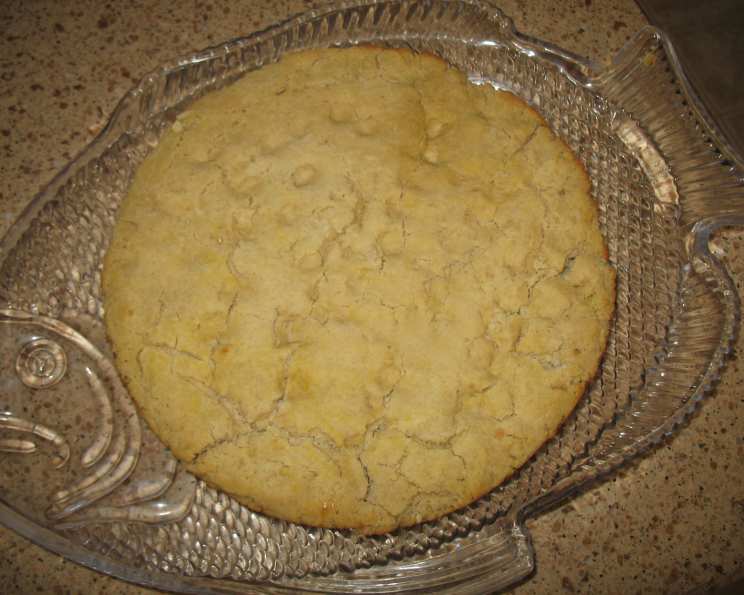
Shape the dough into a round cake about ½ inch thick. The shape is traditionally round and relatively flat, resembling a large, rustic cookie.
-
Place the shaped dough on a lightly greased baking sheet.
-
Cover the dough with a towel and let it rest for one hour. This is the second rise, allowing the dough to relax and rise slightly more.
-
Preheat your oven to 425°F (220°C). Ensure your oven is fully preheated before baking to ensure even cooking.
-
Bake the bread for 15-20 minutes, or until it is pale brown and sounds hollow when tapped. Keep a close eye on it, as barley bread can burn easily.
-
Cool the bread on a cooling rack. This prevents the bottom from becoming soggy.
Expert Tips & Tricks
- Water Temperature: The water for the yeast should be lukewarm, not hot. Too hot water will kill the yeast. Aim for a temperature between 105-115°F (40-46°C).
- Flour Consistency: Barley flour can vary in consistency. If your dough seems too wet, add a little more flour, one tablespoon at a time, until it reaches a manageable consistency.
- First Rise Location: For the first rise, find a consistently warm spot. Inside a slightly warmed oven (turned off) or near a sunny window works well.
- Doneness Test: The “hollow sound” test is crucial. If the bread is still soft or dense, it needs a bit more time in the oven.
- Shortening Alternative: Olive oil can be used instead of shortening. It will give the bread a slightly different flavor profile.
Serving & Storage Suggestions
Egyptian barley bread is best served warm, either plain or with a drizzle of olive oil and a sprinkle of za’atar. It pairs beautifully with dips like hummus or baba ghanoush, and it’s a wonderful accompaniment to stews and soups.
To store, wrap the bread tightly in plastic wrap or place it in an airtight container. It will last for 2-3 days at room temperature. For longer storage, freeze the bread. It can be frozen for up to 2 months. To reheat, thaw completely and then warm in a low oven (around 300°F or 150°C) for 10-15 minutes.
Nutritional Information
| Nutrient | Amount per Serving | % Daily Value (approximate) |
|---|---|---|
| Calories | 250 kcal | 13% |
| Total Fat | 8g | 10% |
| Saturated Fat | 2g | 10% |
| Cholesterol | 40mg | 13% |
| Sodium | 300mg | 13% |
| Total Carbohydrate | 40g | 15% |
| Dietary Fiber | 5g | 20% |
| Sugars | 5g | N/A |
| Protein | 7g | 14% |
Nutritional information is an estimate and can vary based on specific ingredients and portion sizes.
Variations & Substitutions
- Spiced Barley Bread: Add a teaspoon of ground cinnamon, cardamom, or ginger to the dough for a warm, spiced variation.
- Sweet Barley Bread: Increase the honey to 1/4 cup and add 1/4 cup of chopped dates or raisins for a sweeter bread.
- Savory Barley Bread: Add 1/4 cup of chopped olives, sun-dried tomatoes, or feta cheese for a savory twist.
- Whole Wheat Variation: Substitute half of the barley flour with whole wheat flour for a slightly denser and nuttier bread.
FAQs (Frequently Asked Questions)
Q: Why doesn’t the dough rise as much as wheat bread dough?
A: Barley flour contains less gluten than wheat flour, resulting in a less elastic dough and a smaller rise. Don’t expect it to double in size; a slight rise is normal.
Q: Can I use active dry yeast instead of instant yeast?
A: Yes, you can. Active dry yeast will need to be proofed in the warm water and honey mixture for a slightly longer time (around 10 minutes) to ensure it’s active.
Q: What if I don’t have shortening?
A: You can substitute the shortening with an equal amount of melted butter or olive oil. Olive oil will impart a slightly different flavor.
Q: How can I tell if the bread is done?
A: The bread is done when it’s pale brown in color and sounds hollow when tapped on the bottom. If it’s still soft or dense, it needs a few more minutes in the oven.
Q: Can I freeze the barley bread?
A: Yes, you can freeze the bread for up to 2 months. Wrap it tightly in plastic wrap or place it in a freezer-safe bag. Thaw completely before reheating.
Final Thoughts
Baking this Egyptian barley bread is more than just following a recipe; it’s an invitation to connect with history, to taste a piece of the past. The simple ingredients and rustic techniques yield a loaf that’s both satisfying and soulful. Don’t be afraid to experiment with variations, adding your own personal touch to this ancient staple. I hope you will enjoy this bread with your family and friends. Let the aroma of warm barley bread fill your kitchen and transport you to the sun-drenched lands of the Nile.