
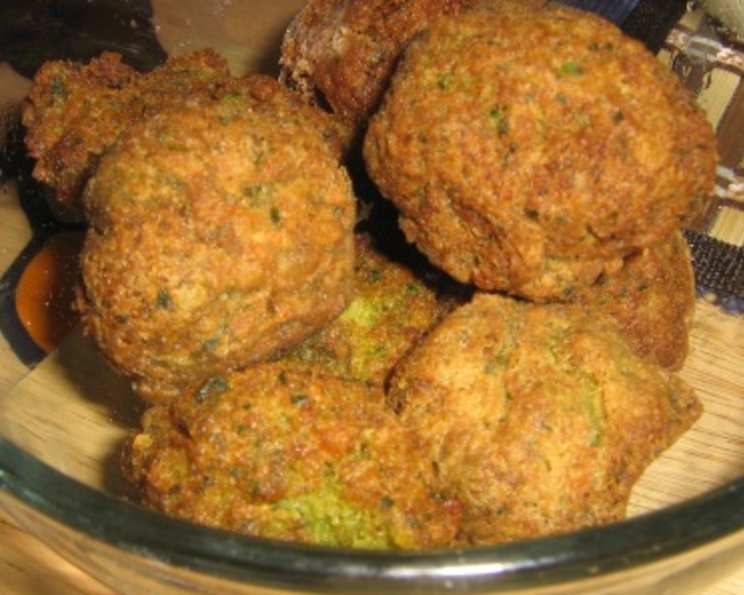
The Authentic Taste of Palestine: A Falafel Recipe
The aroma of sizzling spices and fragrant herbs always takes me back to my summers in Palestine. Every street corner seemed to have a vendor frying up these crispy, golden orbs of deliciousness. I remember standing on my tiptoes, mesmerized by the bubbling oil, waiting impatiently for my falafel sandwich, stuffed with fresh tomatoes, creamy tahini, and a sprinkle of fiery hot pepper. The first bite was always an explosion of flavors and textures – crunchy on the outside, fluffy and savory on the inside. This recipe is my attempt to recreate that magic, bringing a piece of Palestine to your kitchen.
Recipe Overview
- Prep Time: 8 hours 10 minutes
- Cook Time: 15-20 minutes
- Total Time: 8 hours 30 minutes
- Yields: 8-10 pieces
- Serves: 8-10
- Dietary Type: Vegan
Ingredients
- 4 cups dried garbanzo beans
- 2 large onions
- 1 whole head of garlic
- 2 bunches parsley
- Hot green pepper, to suit your taste
- 2 teaspoons cumin
- Salt and pepper to taste
- 1 teaspoon baking powder
- 1/4 teaspoon baking soda
- Oil for deep frying (vegetable, canola, or peanut oil are good choices)
Equipment Needed
- Large bowl
- Colander
- Electric meat grinder (or food processor)
- Deep fryer or large, heavy-bottomed pot
- Slotted spoon or spider strainer
- Paper towels
Instructions
- Soak the chickpeas: Place the dried garbanzo beans in a large bowl and cover with plenty of cold water. Let them soak overnight, or for at least 8 hours. The beans will expand significantly, so ensure there’s enough water to cover them completely. This step is crucial for achieving the right texture. Do not use canned chickpeas, as they will not result in a proper falafel.
- Drain the soaked chickpeas: After soaking, drain the chickpeas thoroughly in a colander. Rinse them well with fresh water.
- Combine ingredients: In a large bowl, combine the drained chickpeas, onions (roughly chopped), garlic (peeled), parsley (roughly chopped), and hot green pepper (seeded and roughly chopped if desired – adjust quantity to your spice preference).
- Grind the mixture: The traditional method calls for grinding the mixture twice using an electric meat grinder. This ensures a fine, even consistency. If you don’t have a meat grinder, you can use a food processor. Pulse the mixture in batches until it’s finely ground but not completely pureed. You want a slightly coarse texture. Avoid over-processing, which can result in a pasty falafel.
- Season the mixture: Add the salt, pepper, cumin, and baking powder to the ground chickpea mixture. Mix thoroughly to ensure the seasonings are evenly distributed. Taste and adjust the seasoning as needed. The mixture can be quite fragrant at this point!
- Chill the mixture: Cover the bowl with plastic wrap and refrigerate the falafel mixture for at least 30 minutes, or up to a few hours. This helps the flavors meld together and makes the mixture easier to shape.
- Prepare for frying: When you’re ready to fry the falafel, add the baking soda to the chilled mixture. Mix it in thoroughly. The baking soda will react with the moisture in the mixture, creating air pockets that help the falafel become light and fluffy.
- Shape the falafel: Shape the falafel mixture into small patties, about 1 1/2 inches in diameter and 1/2 inch thick. You can use your hands or a falafel scoop (if you have one). Ensure the patties are uniform in size for even cooking.
- Heat the oil: Heat the oil in a deep fryer or a large, heavy-bottomed pot to 350°F (175°C). The oil should be deep enough to fully submerge the falafel patties.
- Fry the falafel: Carefully drop the falafel patties into the hot oil, working in batches to avoid overcrowding the pot. Fry for about 3-4 minutes per side, or until they are golden brown and crisp.
- Drain and serve: Remove the fried falafel from the oil with a slotted spoon or spider strainer and place them on a plate lined with paper towels to drain excess oil. Serve immediately while they are still hot and crispy.
Expert Tips & Tricks
- Don’t use canned chickpeas: This is the most common mistake. Canned chickpeas are too soft and will result in a mushy falafel. Dried chickpeas are essential for the right texture.
- Grind, don’t puree: Over-processing the chickpea mixture will result in a dense, pasty falafel. Aim for a slightly coarse texture.
- Chill the mixture: Chilling the mixture allows the flavors to meld and makes it easier to shape.
- Add baking soda just before frying: Adding the baking soda too early will cause the reaction to fizzle out, resulting in a less fluffy falafel.
- Don’t overcrowd the pot: Overcrowding the pot will lower the oil temperature and result in soggy falafel. Fry in batches.
- Freeze for later: The falafel batter can be frozen. Thaw completely in the refrigerator before frying. Add the baking soda just before frying.
Serving & Storage Suggestions
Falafel is best served hot and fresh. Traditionally, it’s served in arabic bread (pita bread) in the form of a sandwich, along with tomato slices, tahini sauce, and slices of onions. You can also add other vegetables like cucumbers, pickled turnips, and hummus. For a complete meal, serve the falafel with a side of tabbouleh or fattoush salad.
Leftover falafel can be stored in an airtight container in the refrigerator for up to 3 days. Reheat in a preheated oven at 350°F (175°C) for about 10 minutes, or until heated through. You can also reheat them in a skillet with a little oil. To maintain crispness, avoid microwaving.
Falafel can be frozen after frying. Allow them to cool completely before freezing in a single layer on a baking sheet. Once frozen solid, transfer them to a freezer bag or container. Reheat directly from frozen in a preheated oven at 375°F (190°C) for about 15-20 minutes, or until heated through and crispy.
Nutritional Information
| Nutrient | Amount per Serving | % Daily Value |
|---|---|---|
| Calories | 388.5 kcal | N/A |
| Calories from Fat | 56 g | 14% |
| Total Fat | 6.2 g | 9% |
| Saturated Fat | 0.7 g | 3% |
| Cholesterol | 0 mg | 0% |
| Sodium | 112.8 mg | 4% |
| Total Carbohydrate | 66.2 g | 22% |
| Dietary Fiber | 18.1 g | 72% |
| Sugars | 12.4 g | 49% |
| Protein | 20.1 g | 40% |
Variations & Substitutions
- Spicy Falafel: Add more hot green pepper or a pinch of cayenne pepper to the mixture for a spicier kick.
- Herbaceous Falafel: Experiment with different herbs like cilantro, mint, or dill for a unique flavor profile.
- Gluten-Free Falafel Sandwich: Use gluten-free pita bread or serve the falafel over a salad for a gluten-free option.
- Baked Falafel: For a healthier option, bake the falafel instead of frying. Preheat the oven to 375°F (190°C) and bake for about 20-25 minutes, or until golden brown and slightly crispy, flipping halfway through. Note that baked falafel will not be as crispy as fried falafel.
- Beetroot Falafel: Add cooked beetroot to the chickpea mixture for a vibrant color and earthy flavor.
FAQs (Frequently Asked Questions)
Q: Can I use canned chickpeas instead of dried?
A: No, using canned chickpeas is not recommended. They are too soft and will result in a mushy, undesirable texture. Dried chickpeas are essential for achieving the correct consistency.
Q: How long can I store the falafel mixture before frying?
A: The falafel mixture can be stored in the refrigerator for up to 2 days. However, remember to add the baking soda just before frying.
Q: My falafel is falling apart when I fry it. What am I doing wrong?
A: This could be due to several reasons. The mixture might be too wet (ensure you drain the chickpeas well after soaking). You might also need to grind the mixture a bit finer. Adding a tablespoon or two of chickpea flour (besan) can also help bind the mixture together.
Q: Can I bake the falafel instead of frying?
A: Yes, you can bake the falafel for a healthier alternative. However, keep in mind that baked falafel will not be as crispy as fried falafel.
Q: What is the best oil for frying falafel?
A: Vegetable oil, canola oil, or peanut oil are all good choices for frying falafel. Choose an oil with a high smoke point.
Final Thoughts
Now that you have the recipe, I encourage you to try making your own falafel. It’s a delicious and rewarding experience that will transport you to the bustling streets of Palestine. Don’t be afraid to experiment with different spices and herbs to create your own unique flavor profile. And most importantly, share your falafel with friends and family! Serve it with a refreshing glass of lemonade or a cup of strong Arabic coffee for a truly authentic Middle Eastern experience. I’d love to hear about your experience making this recipe – please feel free to leave your feedback and suggestions!