
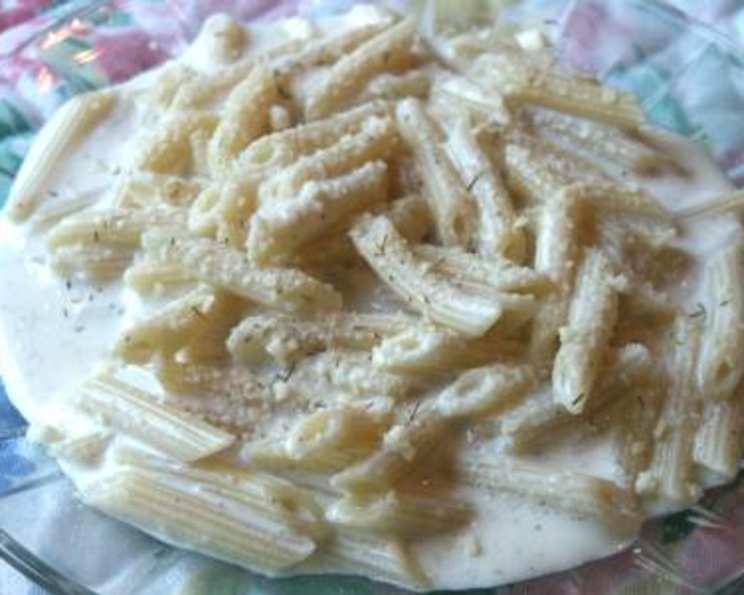
Fettuccine with Ricotta and Dill Sauce: A Symphony of Simple Flavors
I still remember the first time I tasted a dish like this. I was a young culinary student interning at a small trattoria in Tuscany. The nonna, a woman whose hands held more culinary wisdom than any textbook, whipped up a deceptively simple pasta dish for lunch. It was creamy, bright, and utterly satisfying. The fresh dill, a vibrant green against the white sauce, was a revelation. This Fettuccine with Ricotta and Dill Sauce aims to recapture that magic – the perfect harmony of humble ingredients transformed into something truly special.
Recipe Overview
- Prep Time: 5 minutes
- Cook Time: 15 minutes
- Total Time: 20 minutes
- Servings: 4
- Dietary Type: Vegetarian
Ingredients
- 1 lb fettuccine, whole wheat or 3/4 lb dried fettuccine
- 1 clove garlic, crushed
- 2 1/2 cups ricotta cheese
- 1 1/2 cups milk
- 1 1/2 teaspoons salt
- 1 pinch white pepper
- 1 pinch red pepper flakes
- 1 pinch cayenne pepper
- 1/2 red bell pepper, chopped
- 2 tablespoons fresh dill, chopped
- Parmesan cheese (optional)
Equipment Needed
- Large pot
- Blender or food processor
- Colander
- Large bowl
Instructions
-
Begin by bringing a large pot of salted water to a rolling boil. Add the fettuccine and cook according to package directions until al dente. Remember to reserve about 1/2 cup of the pasta water before draining – this starchy water is crucial for creating a silky sauce.
-
While the pasta is cooking, prepare the ricotta sauce. In a blender or food processor, combine the crushed garlic, ricotta cheese, milk, salt, white pepper, red pepper flakes, and cayenne pepper. Blend until smooth and creamy. Taste and adjust seasonings as needed. Some ricottas are saltier than others, so you might want to start with a smaller amount of salt and add more to taste.
-
Once the fettuccine is cooked to al dente, drain it, reserving about 1/2 cup of the pasta water.
-
Immediately add 1-2 tablespoons of the reserved pasta water to the ricotta sauce and stir well. This will help thin the sauce slightly and create a better emulsion when combined with the pasta. The starchy water helps the sauce cling to the noodles.
-
Pour the ricotta sauce over the drained fettuccine in the large bowl. Add the chopped red bell pepper and fresh dill. Gently toss to coat the pasta evenly, adding more pasta water if needed to reach your desired consistency. The goal is a creamy, not gloopy, sauce.
-
Serve immediately, garnished with freshly grated Parmesan cheese, if desired. A sprinkle of extra fresh dill adds a lovely finishing touch.
Expert Tips & Tricks
- Ricotta Selection: Opt for whole-milk ricotta for the richest, creamiest sauce. If you’re watching your fat intake, part-skim ricotta will also work, but the texture won’t be quite as decadent.
- Blending Temperature: For the smoothest sauce, ensure your ricotta cheese isn’t ice-cold straight from the fridge. Letting it sit at room temperature for about 15 minutes before blending can make a noticeable difference.
- Spice Level: Adjust the amounts of red pepper flakes and cayenne pepper to your preference. A tiny pinch adds a pleasant warmth, while a larger pinch provides a noticeable kick.
- Make-Ahead Tip: The ricotta sauce can be made ahead of time and stored in the refrigerator for up to 2 days. Reheat gently on the stovetop or in the microwave before tossing with the cooked pasta. You may need to add a splash of milk or pasta water to thin it out.
- Don’t Overcook the Pasta: Al dente pasta is key! Overcooked pasta will become mushy and won’t hold the sauce well. Set a timer and check for doneness a minute or two before the package directions suggest.
- Lumpiness: If your sauce appears lumpy after blending, try passing it through a fine-mesh sieve for an ultra-smooth texture.
Serving & Storage Suggestions
Serve the Fettuccine with Ricotta and Dill Sauce immediately for the best flavor and texture. It’s delicious on its own or as a side dish to grilled chicken, fish, or vegetables.
Leftovers can be stored in an airtight container in the refrigerator for up to 3 days. To reheat, gently warm the pasta in a skillet over low heat with a splash of milk or water to prevent it from drying out. Microwaving is also an option, but be careful not to overheat, as the ricotta can become grainy. Freezing is not recommended, as the texture of the ricotta cheese can change upon thawing.
Nutritional Information
| Nutrient | Amount per Serving | % Daily Value |
|---|---|---|
| Calories | 770 kcal | N/A |
| Total Fat | 28 g | 43% |
| Saturated Fat | 16 g | 81% |
| Cholesterol | 187 mg | 62% |
| Sodium | 1071 mg | 44% |
| Total Carbohydrate | 91 g | 30% |
| Dietary Fiber | 4 g | 16% |
| Sugars | 3 g | N/A |
| Protein | 37 g | 73% |
Note: Nutritional information is an estimate and may vary based on specific ingredients and portion sizes.
Variations & Substitutions
- Gluten-Free: Use your favorite gluten-free fettuccine.
- Vegan: Substitute the ricotta cheese with a plant-based ricotta alternative made from cashews or tofu. Use plant-based milk such as almond or soy milk. Omit the Parmesan cheese or use a vegan Parmesan alternative.
- Lemon Zest: Add the zest of one lemon to the sauce for a bright, citrusy flavor.
- Spinach: Stir in a cup or two of baby spinach along with the bell pepper and dill for added nutrients and color.
- Other Herbs: Experiment with different fresh herbs, such as parsley, basil, or chives.
- Spicy: Add a minced jalapeño pepper to the sauce for extra heat.
FAQs (Frequently Asked Questions)
Q: Can I use dried dill instead of fresh?
A: While fresh dill is highly recommended for its vibrant flavor, you can use dried dill in a pinch. Use about 1 teaspoon of dried dill for every 2 tablespoons of fresh dill.
Q: Can I make this sauce without a blender or food processor?
A: Yes, you can! While it will be a little chunkier, you can whisk the ricotta cheese and milk together until relatively smooth. Be sure to mince the garlic very finely.
Q: Is it possible to use a different type of pasta?
A: Absolutely! While fettuccine is the classic choice, other long pastas like linguine or spaghetti would work well. You could also use short pasta shapes like penne or rotini.
Q: Can I add protein to this dish?
A: Yes! Grilled chicken, shrimp, or sausage would be delicious additions. You could also add some cooked chickpeas or white beans for a vegetarian protein boost.
Q: How do I prevent the sauce from being too thick?
A: Be sure to reserve enough pasta water and add it to the sauce as needed to reach your desired consistency. The pasta water helps to thin the sauce and create a silky emulsion.
Final Thoughts
This Fettuccine with Ricotta and Dill Sauce is a testament to the fact that simple ingredients, when combined with care, can create a truly remarkable dish. I encourage you to try this recipe and make it your own. Experiment with different herbs, spices, and vegetables to personalize the flavors to your liking. Share your creations with friends and family, and most importantly, enjoy the process of cooking and creating something delicious! Pair it with a crisp glass of Pinot Grigio and a simple side salad for a complete and satisfying meal. Bon appétit!