
Crafting Pella: A Journey Back in Time
The aroma of rendering beef fat, or pella as it’s known in Argentina, instantly transports me back to my grandmother’s kitchen. As a child, I would sit mesmerized as she transformed humble pieces of beef suet into liquid gold. The scent, deep and savory, filled the air with a promise of something extraordinary. Although I didn’t understand the science then, I knew that this simple ingredient was the secret to her incredibly flavorful and crispy empanadas and unforgettable sopaipillas. She always said, “Pella makes everything better,” and now, decades later, I completely agree.
Recipe Overview
- Prep Time: 15 minutes
- Cook Time: 45 minutes – 2 hours
- Total Time: 1 hour – 2 hours 15 minutes
- Yields: Approximately 1 1/4 cups
- Dietary Type: None specified
Ingredients
- 1 lb beef fat (suet), preferably clean with only small amounts of meat
- 1/2 cup water
Equipment Needed
- Heavy-bottomed pan or Dutch oven
- Strainer
- Jar or heat-safe bowl
Instructions
-
Begin by preparing the beef fat. Cut it into approximately 1-inch chunks. This smaller size allows for even rendering and quicker processing.
-
Place the cut beef fat into a very heavy pan or Dutch oven. The heavy bottom is crucial for even heat distribution, preventing scorching and ensuring the fat renders properly. Set the pan over medium heat.
-
After approximately 30 minutes, you’ll notice the meat bits (if any remain) starting to brown. This is a sign that the rendering process is well underway.
-
Reduce the heat to low. Gently scrape the bottom of the pan with a spatula or wooden spoon to prevent any sticking and ensure even rendering. Turn the pieces of fat occasionally.
-
Carefully add the water. This step requires caution! Add the water slowly and gradually. The combination of hot fat and water can cause splattering. A good technique is to pour the water down the side of the pan, away from your face and body.
-
Simmer the mixture until the fat is completely rendered. This can take anywhere from 15 minutes to 2 hours, depending on the quality and purity of the beef fat. Higher quality fat will render more quickly and produce a cleaner product. You’ll know it’s ready when all the solid pieces have melted and only liquid fat remains, with the browned meat bits settled at the bottom.
-
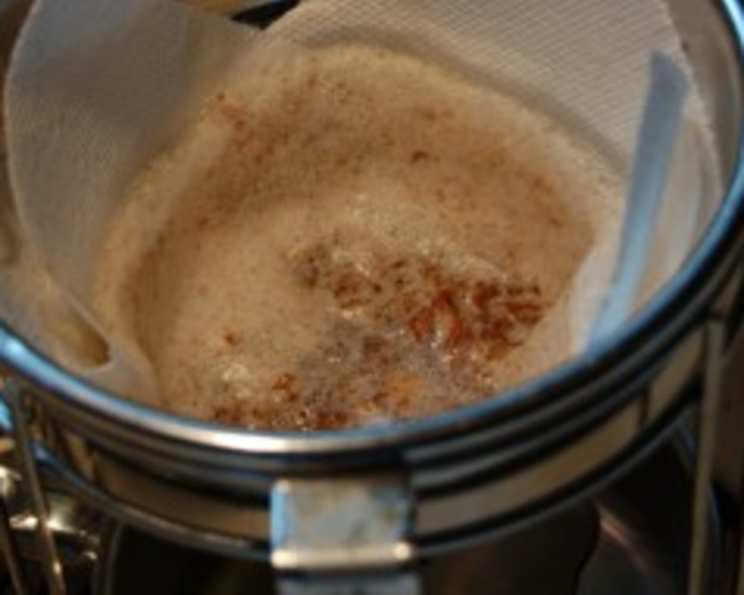
Once fully rendered, carefully strain the liquid fat through a fine-mesh strainer lined with cheesecloth (optional, for an even cleaner result) into a jar or small bowl. This removes any remaining solid particles, leaving you with pure pella.
-
Allow the pella to cool completely. As it cools, it will solidify into a creamy, off-white color.
-
Store the cooled pella in the refrigerator for extended shelf life.
Expert Tips & Tricks
- Source Matters: The quality of your beef fat directly impacts the flavor and purity of the pella. Look for suet that is firm, white, and relatively clean of meat.
- Low and Slow: Rendering fat is a patient process. Rushing it with high heat will result in a burnt flavor. Low and slow is the key to unlocking the best flavor.
- Clarifying for Perfection: For an even purer result, you can clarify the rendered pella further. After it has cooled and solidified in the refrigerator, gently scrape off any impurities that have settled at the bottom. Re-melt the remaining pella and strain it again.
- Browning Bits: The browned meat bits left over after rendering are a delicious byproduct. Strain them out separately and use them as a flavorful topping for tacos, soups, or scrambled eggs.
Serving & Storage Suggestions
Pella, once rendered and cooled, should be stored in the refrigerator. It will keep for several weeks, even months, if properly stored. Before using, allow it to soften slightly at room temperature for easier handling. You can also gently melt it in a pan over low heat.
Serving Suggestions:
- Use pella for frying potatoes or other vegetables for an unparalleled crispy texture and rich flavor.
- Incorporate it into pie crusts or empanada dough for a flaky and flavorful result.
- Use it as a cooking fat for searing meats, adding depth and richness to the dish.
- Brush it over roasted vegetables for enhanced browning and savory flavor.
Nutritional Information
Note: Nutritional information is an estimate and can vary based on the specific cut of beef and rendering process.
| Nutrient | Amount per 1 Tablespoon (approx.) | % Daily Value* |
|---|---|---|
| Calories | 120 kcal | 6% |
| Total Fat | 14g | 22% |
| Saturated Fat | 6g | 30% |
| Cholesterol | 15mg | 5% |
| Sodium | 0mg | 0% |
| Total Carbohydrate | 0g | 0% |
| Protein | 0g | 0% |
*Percent Daily Values are based on a 2,000 calorie diet.
Variations & Substitutions
- Infused Pella: Add herbs like rosemary, thyme, or garlic cloves during the rendering process to infuse the pella with added flavor.
- Duck or Lard: While this recipe focuses on beef fat, the same technique can be used to render duck fat (for a richer, gamier flavor) or lard (from pork fat), which is common in many cuisines.
- Vegetarian Note: Of course, this recipe is not suitable for vegetarians. If you want similar properties with a plant-based option, you might look into specialty high heat cooking oils or coconut oil. Keep in mind these won’t duplicate the flavor exactly, but they may achieve a similar texture in fried goods.
FAQs (Frequently Asked Questions)
Q: Can I use rendered fat from cooking other meats instead of beef suet?
A: While you can use other rendered fats, the flavor will be different. Beef suet has a unique, neutral flavor that is ideal for many applications. Rendered fat from other meats, like bacon grease, will impart their own distinct flavor.
Q: How do I know when the fat is fully rendered?
A: The fat is fully rendered when all the solid pieces have melted and only clear liquid remains. The meat bits will have browned and settled at the bottom of the pan.
Q: Can I render beef fat in a slow cooker?
A: Yes, you can render beef fat in a slow cooker. This method takes longer but is very hands-off. Simply place the cut fat in the slow cooker with the water and cook on low for 6-8 hours, or until fully rendered.
Q: What if my pella smells a little “off”?
A: A slight beefy smell is normal, but if it smells rancid, the fat may have gone bad. It’s best to discard it.
Q: Can I use pella that has been stored in the freezer?
A: Yes, you can freeze rendered pella for longer storage. Thaw it in the refrigerator before using.
Final Thoughts
Crafting pella is more than just rendering fat; it’s a connection to culinary traditions and a way to unlock incredible flavor in your cooking. Don’t be intimidated by the process; it’s simpler than you think. So, gather your beef fat, follow these steps, and experience the magic of pella for yourself. I encourage you to experiment with using it in different dishes and share your culinary creations. Your new best dish might just be around the corner, thanks to this secret ingredient.