
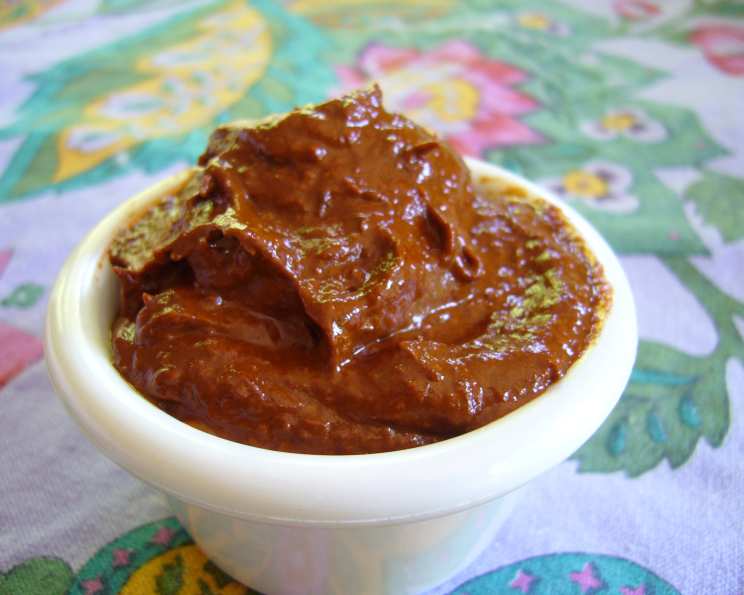
Fiery Tunisian Harrisa: A Culinary Journey to North Africa
The first time I encountered harissa, I was backpacking through the medina of Tunis. The vibrant stalls overflowed with spices, and the air hummed with a symphony of exotic aromas. An elderly woman, her face etched with the wisdom of generations, offered me a taste of her homemade harissa. The fiery paste exploded on my tongue, a complex blend of smoky, spicy, and earthy flavors that instantly transported me. It was more than just a condiment; it was a taste of Tunisia itself, a culinary heritage passed down through families. From that moment on, I was hooked.
Recipe Overview
- Prep Time: 30 minutes
- Cook Time: 5 minutes
- Total Time: 35 minutes
- Yield: About 1 cup
- Dietary Type: Vegan, Gluten-Free
Ingredients
- 4 smoked chili peppers, such as ancho or chipotle
- 8 dried hot red chili peppers, such as New Mexico or cascabel
- 1 tablespoon cumin seed
- 2 teaspoons coriander seeds
- 1 teaspoon caraway seed
- 8 garlic cloves
- ½ cup olive oil
- ½ teaspoon salt
Equipment Needed
- Small skillet
- Blender or food processor
- Measuring spoons and cups
Instructions
-
Begin by preparing the chili peppers. Remove the seeds and stems from the smoked chili peppers and the dried hot red chili peppers. This step is crucial for controlling the heat level – removing more seeds will result in a milder harissa.
-
Place the deseeded chiles in a bowl and cover them with boiling water. Let them sit for about 20 minutes to plump and rehydrate. This softening process is essential for achieving a smooth paste later.
-
While the chiles are rehydrating, focus on the spices. Preheat a small, dry skillet over medium-high heat. Add the cumin seeds, coriander seeds, and caraway seed to the skillet.
-
Toast the spices for 2 to 3 minutes, stirring frequently, until they become fragrant and begin to pop. Be careful not to burn them, as this will impart a bitter taste. Remove the skillet from the heat and allow the spices to cool slightly.
-
Transfer the toasted spices to a blender or food processor. Grind them into a fine powder. If you don’t have a blender, you can use a mortar and pestle, but it will require more effort.
-
Once the chiles have rehydrated, drain them thoroughly. Add the drained chiles to the blender or food processor, along with the garlic cloves, olive oil, and salt.
-
Blend the mixture until it forms a smooth paste. You may need to scrape down the sides of the blender several times to ensure all the ingredients are fully incorporated. The consistency should be thick and spreadable.
-
Transfer the harissa to a clean jar or airtight container. Cover and store in the refrigerator for up to 2 months. The olive oil will help preserve the harissa and prevent it from spoiling.
Expert Tips & Tricks
- Spice Level Customization: The type and quantity of dried chiles you use will significantly impact the heat level of your harissa. For a milder flavor, use fewer hot chiles or opt for less spicy varieties. You can also add a touch of sweet paprika for a smoky sweetness.
- Roasting for Depth: For an even deeper, smokier flavor, roast the garlic cloves in their skins until softened before adding them to the blender. This will mellow the garlic’s pungency and enhance its sweetness.
- Texture Refinement: If you prefer an ultra-smooth harissa, pass the finished paste through a fine-mesh sieve after blending. This will remove any remaining bits of chili skin or seeds.
- Make Ahead: Harissa is a fantastic condiment to make ahead of time. The flavors actually meld and deepen as it sits in the refrigerator.
Serving & Storage Suggestions
Harissa is incredibly versatile. Rub it on meats or fish before searing or grilling for a spicy crust. Stir a small spoonful into mayonnaise for a zesty sandwich spread or aioli. Mix a dollop into melted butter and toss with steamed vegetables or couscous for a flavorful side dish. It’s also a delicious addition to soups, stews, and tagines.
Store your homemade harissa in an airtight container in the refrigerator for up to two months. The olive oil will solidify in the fridge, but the harissa will soften as it comes to room temperature. It is not recommended to freeze the harissa, as the texture may change upon thawing.
Nutritional Information
(Note: These are estimates and may vary based on specific ingredients used.)
| Nutrient | Amount per Serving (1 tbsp) | % Daily Value |
|---|---|---|
| Calories | 70 kcal | 4% |
| Total Fat | 6 g | 8% |
| Saturated Fat | 1 g | 5% |
| Cholesterol | 0 mg | 0% |
| Sodium | 75 mg | 3% |
| Carbohydrates | 3 g | 1% |
| Fiber | 1 g | 4% |
| Sugar | 1 g | N/A |
| Protein | 0.5 g | 1% |
Variations & Substitutions
- Smoked Paprika: If you don’t have smoked chili peppers, you can substitute with 1-2 tablespoons of smoked paprika to achieve a similar smoky flavor.
- Rose Water: For a touch of floral aroma and sweetness, add 1 teaspoon of rose water to the blender along with the other ingredients.
- Lemon Juice: A squeeze of fresh lemon juice can brighten the flavors of the harissa and add a touch of acidity.
- Different Oil: While olive oil is traditional, you can experiment with other oils like avocado oil for a slightly different flavor profile.
FAQs (Frequently Asked Questions)
Q: How spicy is this harissa?
A: The spiciness depends on the type of dried chiles used. New Mexico or cascabel chiles are relatively mild, while others like cayenne or bird’s eye chiles will create a much hotter harissa. Adjust the chile types and quantities to your preference.
Q: Can I use fresh chiles instead of dried?
A: While dried chiles are traditional, you can use fresh chiles. Roast them first to soften them and enhance their flavor. Be sure to remove the seeds and stems before blending.
Q: What if I don’t have all the spices?
A: While the combination of cumin, coriander, and caraway is classic, you can adjust the spice blend to your liking. Smoked paprika, chili powder, or even a pinch of cayenne pepper can add interesting flavor dimensions.
Q: Can I make a larger batch and freeze it?
A: While technically possible, freezing can alter the texture of the harissa slightly. For best results, stick to refrigerating it for up to two months.
Q: What dishes pair well with harissa?
A: Harissa is incredibly versatile! It’s delicious with grilled meats, roasted vegetables, couscous, tagines, soups, and stews. It also makes a fantastic addition to sandwiches and dips.
Final Thoughts
Creating your own Fiery Tunisian Harissa is a journey of flavor, a chance to connect with the culinary traditions of North Africa. Don’t be afraid to experiment with different chili types and spices to find your perfect blend. Once you’ve tasted the depth and complexity of homemade harissa, you’ll never go back to store-bought versions. So, gather your ingredients, embrace the heat, and embark on a culinary adventure that will awaken your taste buds and transport you to the vibrant souks of Tunisia. I hope you enjoy this recipe as much as I do, and I encourage you to share your own variations and feedback! Perhaps you can serve it with grilled lamb and a side of mint couscous for a truly authentic Tunisian feast!