
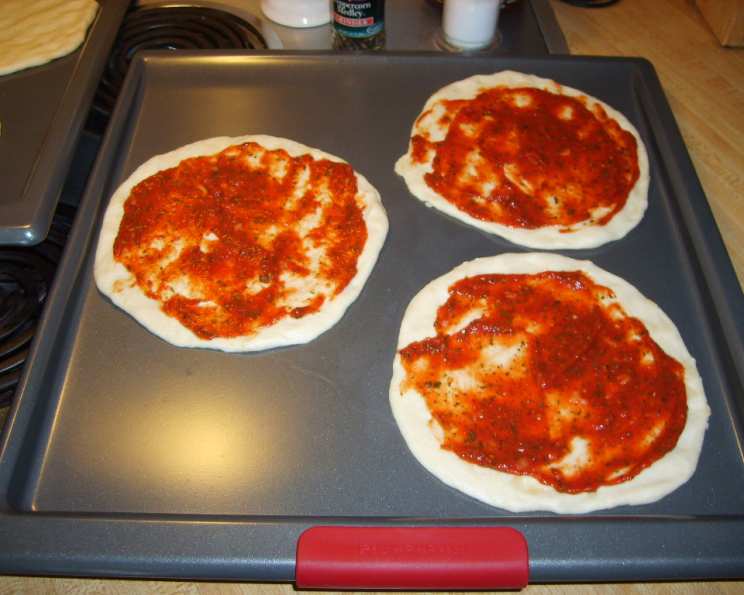
My Very Own Basic but Yummy Pizza Sauce
The aroma of homemade pizza night always transports me back to childhood. I remember standing on a stool, barely tall enough to reach the counter, carefully spooning sauce onto the prepared dough. The tangy, herby scent filled our small kitchen, a promise of the deliciousness to come. Even now, decades later, that simple tomato-based magic still feels like home. This recipe is a nod to those memories, a celebration of simple, wholesome ingredients transformed into something truly special.
Recipe Overview
- Prep Time: 5 minutes
- Cook Time: During Pizza Baking
- Total Time: 5 minutes + Resting Time
- Servings: Varies (About 3 medium pizzas)
- Yield: Approximately 3 medium pizzas’ worth
- Dietary Type: Vegan
Ingredients
- 1 (8 ounce) can tomato sauce
- 1 (6 ounce) can tomato paste
- 2 teaspoons basil
- 1 teaspoon Greek oregano
- 2 teaspoons garlic salt
- 2 teaspoons onion powder
- 1 tablespoon parsley (fresh, if you can get it)
Equipment Needed
- Mixing Bowl
- Spoon
Instructions
- In a medium-sized mixing bowl, combine the tomato sauce and tomato paste. This forms the base of your flavorful pizza sauce.
- Add the dried basil to the tomato mixture. The basil will infuse its aromatic essence into the sauce.
- Incorporate the Greek oregano, enhancing the sauce with its distinctive, slightly peppery flavor.
- Sprinkle in the garlic salt. Be mindful of the salt content in your other toppings, adjusting accordingly.
- Add the onion powder, contributing a subtle, savory depth to the sauce.
- Finally, stir in the parsley. Fresh parsley is ideal, adding a vibrant, herbal note. If using dried, remember that dried herbs are more concentrated, so you might want to reduce the amount slightly.
- Thoroughly fold all the ingredients together in the bowl until well combined. Ensure there are no clumps of tomato paste or spices.
- Cover the bowl and place the sauce in the refrigerator to rest while you prepare your pizza dough and other toppings. This resting period allows the flavors to meld and deepen. Ideally, let it sit for at least 30 minutes, or even longer if you have the time.
- When baking the pizza, the sauce will cook adequately along with the other toppings, creating a harmonious blend of flavors. No pre-cooking of the sauce is necessary.
Expert Tips & Tricks
- Flavor Boost: For an extra layer of flavor, consider adding a pinch of red pepper flakes for a touch of heat.
- Sweetness Adjustment: If your tomatoes are particularly acidic, a tiny pinch of sugar (brown or white) can help balance the flavors.
- Herb Infusion: For a more intense herb flavor, lightly crush the dried herbs between your fingers before adding them to the sauce. This releases their essential oils.
- Garlic Lovers: If you’re a garlic fanatic, consider adding a clove of minced fresh garlic in addition to the garlic salt. Sauté it lightly in olive oil before adding it to the sauce for a sweeter, less pungent flavor.
- Thinning the Sauce: If you prefer a thinner sauce, you can add a tablespoon or two of water or olive oil to reach your desired consistency.
- Spice it up: For an additional layer of flavor, consider adding a dash of smoked paprika.
Serving & Storage Suggestions
Serve this pizza sauce generously on your favorite homemade or store-bought pizza dough. It pairs beautifully with a variety of toppings, from classic pepperoni and mushrooms to more adventurous combinations like roasted vegetables and goat cheese.
- Storage: Leftover sauce can be stored in an airtight container in the refrigerator for up to 5 days.
- Freezing: This sauce freezes exceptionally well. Portion it into freezer-safe bags or containers and freeze for up to 3 months. Thaw overnight in the refrigerator before using.
- Reheating: No reheating is generally necessary, as the sauce will cook along with the pizza in the oven. If you do wish to warm it slightly, you can microwave it in 30-second intervals or heat it gently in a saucepan over low heat.
Nutritional Information
Please note that these values are estimates and may vary based on specific ingredients used.
| Nutrient | Amount per Serving (estimated) | % Daily Value (estimated) |
|---|---|---|
| Calories | 79 kcal | 4% |
| Total Fat | 0.5 g | 0% |
| Saturated Fat | 0.1 g | 0% |
| Cholesterol | 0 mg | 0% |
| Sodium | 852 mg | 35% |
| Total Carbohydrate | 18 g | 6% |
| Dietary Fiber | 4 g | 16% |
| Sugars | 11 g | 43% |
| Protein | 4 g | 7% |
Variations & Substitutions
- Fresh Herbs: Whenever possible, opt for fresh herbs. They provide a brighter, more vibrant flavor. Chop them finely before adding them to the sauce.
- Spice Level: Adjust the amount of garlic salt and onion powder to suit your taste.
- Mediterranean Twist: Add a pinch of dried rosemary or thyme for a more Mediterranean flavor profile.
- Vegan Cheese Pizza: Use a vegan cheese alternative for a fully plant-based pizza.
- Gluten-Free Pizza: Use a gluten-free pizza crust.
FAQs (Frequently Asked Questions)
Q: Can I use fresh tomatoes instead of canned?
A: Absolutely! For a fresher flavor, use about 1.5 pounds of ripe tomatoes, peeled, seeded, and crushed. You may need to simmer the sauce for a longer period to reduce the liquid.
Q: How can I make this sauce smoother?
A: If you prefer a completely smooth sauce, you can blend it with an immersion blender or transfer it to a regular blender after it has rested in the refrigerator.
Q: Can I add other vegetables to the sauce?
A: Yes, you can add finely diced bell peppers, onions, or mushrooms to the sauce for extra flavor and nutrition. Sauté them lightly before adding them to the other ingredients.
Q: How long does this sauce last in the freezer?
A: This sauce can be stored in the freezer for up to 3 months without significant loss of quality. Be sure to use a freezer-safe container or bag.
Q: What’s the best way to thaw frozen pizza sauce?
A: The best way to thaw the sauce is to transfer it from the freezer to the refrigerator and let it thaw overnight. If you’re short on time, you can thaw it in the microwave using the defrost setting, but be sure to stir it frequently to ensure even thawing.
Final Thoughts
I hope this simple yet delicious pizza sauce becomes a staple in your kitchen, just as it is in mine. It’s a versatile recipe that can be easily customized to suit your preferences. Don’t be afraid to experiment with different herbs and spices to create your own signature flavor. Enjoy the process, savor the aroma, and most importantly, have fun making pizza! I encourage you to try this recipe and share your feedback. Pair it with a crisp salad and your favorite beverage for a complete and satisfying meal.