
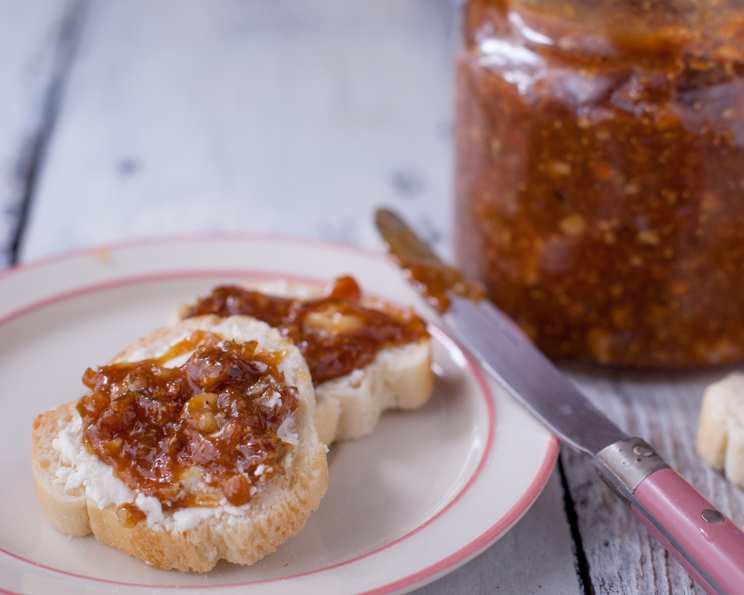
The Golden Elixir: Crafting Award-Winning Fig Jam at Home
The scent of simmering figs and honey always transports me back to summer evenings at the county fair. The air, thick with the aroma of kettle corn and livestock, somehow carried the sweet, almost caramelized fragrance of the fig jam competition. I remember the thrill of carefully ladling my entry into sterilized jars, dreaming of the blue ribbon. Little did I know then that this humble jam would become a perennial favorite, a taste of sunshine preserved in a jar.
Recipe Overview
- Prep Time: 15 minutes
- Cook Time: 1 hour 15 minutes
- Total Time: 1 hour 30 minutes
- Yields: 4 cups
- Dietary Type: Vegetarian
Ingredients
- 3 cups of peeled figs, coarsely chopped
- 2 cups of honey
- 1 cup of chopped walnuts
- 2 tablespoons of lemon juice
Equipment Needed
- Medium size saucepan
- Sterilized 1/2 pint jars
- Canning pot with rack
- Jar lifter
- Ladle
Instructions
-
Begin by preparing your fruit. Thoroughly wash and peel the figs. A paring knife works best for this. Then, coarsely chop the peeled figs. Aim for roughly ½-inch pieces.
-
In a medium-size saucepan, combine the chopped figs, honey, and lemon juice. The lemon juice not only brightens the flavor but also acts as a natural pectin enhancer, helping the jam to set properly.
-
Place the saucepan over medium-high heat and bring the mixture to a boil, stirring constantly to prevent sticking and burning.
-
Once boiling, reduce the heat to low and simmer gently, continuing to stir frequently. This is crucial to prevent scorching on the bottom of the pan. The mixture will gradually thicken as the water evaporates. This process takes approximately 1 hour.
-
As the jam cooks, it will transition from a watery consistency to a thick, glossy one. To test for doneness, place a small spoonful of jam on a chilled plate. Let it cool for a minute. If it wrinkles when you push it with your finger, it’s ready. If not, continue cooking for a few more minutes, testing again.
-
After the jam has thickened, add the chopped walnuts. Stir to incorporate them evenly throughout the mixture.
-
Continue to cook for an additional 10 to 15 minutes, stirring frequently. The walnuts will soften slightly and release their nutty flavor into the jam.
-
While the jam is simmering, prepare your canning equipment. Sterilize your ½-pint jars and lids by boiling them in water for 10 minutes. Keep the jars hot until ready to fill.
-
Once the jam is ready, carefully pour the hot jam into the sterilized ½-pint jars, leaving about ¼ inch of headspace at the top.
-
Wipe the rims of the jars with a clean, damp cloth to remove any spills.
-
Place the lids on the jars and screw the bands on firmly, but not too tightly.
-
Process the filled jars in a boiling water bath for 10 minutes. Make sure the water covers the jars by at least 1 inch. Adjust processing time based on your altitude, following recommended guidelines.
-
Carefully remove the jars from the boiling water bath using a jar lifter and place them on a towel-lined surface to cool completely.
-
As the jars cool, you should hear a “popping” sound as the lids seal. This indicates that a vacuum has formed, and the jam is properly preserved.
-
After the jars have cooled completely, check the seals by pressing down on the center of each lid. If the lid doesn’t flex or pop back up, it’s sealed. If a jar doesn’t seal, refrigerate it and use the jam within a few weeks.
Expert Tips & Tricks
- Fig Variety Matters: Different fig varieties will yield slightly different flavors and textures. Experiment with Black Mission, Brown Turkey, or Kadota figs to find your favorite.
- Don’t Overcook: Overcooking the jam can result in a hard, overly-sweet preserve. Pay close attention to the consistency and test for doneness frequently.
- Use a Heavy-Bottomed Pot: A heavy-bottomed saucepan will help prevent the jam from scorching.
- Altitude Adjustments: Processing times for canning need to be adjusted based on your altitude. Consult your local extension office or a reputable canning guide for accurate information.
- Prevent Sugar Crystals: Adding the lemon juice helps prevent sugar crystals from forming in the jam.
- Stirring Technique: Stir the jam gently but consistently, using a figure-eight motion to ensure even cooking and prevent sticking.
Serving & Storage Suggestions
This homemade fig jam is incredibly versatile. It’s delicious spread on toast, scones, or crackers. It also makes a wonderful accompaniment to cheese platters, grilled meats, or even stirred into yogurt or oatmeal.
Properly sealed jars of fig jam can be stored in a cool, dark place for up to a year. Once opened, refrigerate the jam and use it within a few weeks. If you notice any signs of spoilage, such as mold or an off odor, discard the jam immediately.
Nutritional Information
(Estimated per serving, based on 1/4 cup serving size)
| Nutrient | Amount per Serving | % Daily Value |
|---|---|---|
| Calories | 354 kcal | 18% |
| Total Fat | 9g | 12% |
| Saturated Fat | 1g | 5% |
| Cholesterol | 0mg | 0% |
| Sodium | 2mg | 0% |
| Total Carbohydrate | 69g | 23% |
| Dietary Fiber | 2g | 8% |
| Sugars | 65g | – |
| Protein | 2g | 4% |
Variations & Substitutions
- Spice it up: Add a pinch of ground cinnamon, cloves, or nutmeg to the jam for a warm, autumnal flavor.
- Boozy Fig Jam: Add a tablespoon or two of balsamic vinegar or a splash of port wine during the last few minutes of cooking for a more complex flavor.
- Nut-Free Option: Omit the walnuts for a nut-free version. You could also substitute with toasted sunflower seeds or pumpkin seeds.
- Citrus Zest: Add the zest of one orange or lemon along with the juice for an extra burst of citrusy flavor.
- Ginger Fig Jam: Add 1 tablespoon of freshly grated ginger for a spicy and aromatic twist.
FAQs (Frequently Asked Questions)
Q: Can I use frozen figs for this recipe?
A: Yes, you can use frozen figs. Just thaw them completely and drain off any excess liquid before adding them to the saucepan.
Q: How do I know if my jars are properly sealed?
A: After the jars have cooled completely, press down on the center of each lid. If the lid doesn’t flex or pop back up, it’s sealed.
Q: Can I reduce the amount of honey in this recipe?
A: You can reduce the amount of honey slightly, but keep in mind that honey acts as a preservative. Reducing it too much may affect the shelf life of the jam.
Q: My jam is too runny. What did I do wrong?
A: The jam may not have been cooked long enough. Continue simmering it until it reaches the desired consistency.
Q: How long does homemade fig jam last?
A: Properly sealed jars of fig jam can be stored in a cool, dark place for up to a year. Once opened, refrigerate the jam and use it within a few weeks.
Final Thoughts
Now, armed with this recipe and a bit of patience, you can create your own golden elixir: a jar of award-worthy fig jam. Don’t be intimidated by the canning process; it’s a rewarding skill that allows you to preserve the flavors of summer. I encourage you to experiment with different fig varieties and add-ins to create your own signature version. Share your culinary creations with friends and family, and savor the sweet taste of homemade goodness. Perhaps you’ll find yourself entering it in the local fair, creating your own fond memories. Enjoy!