
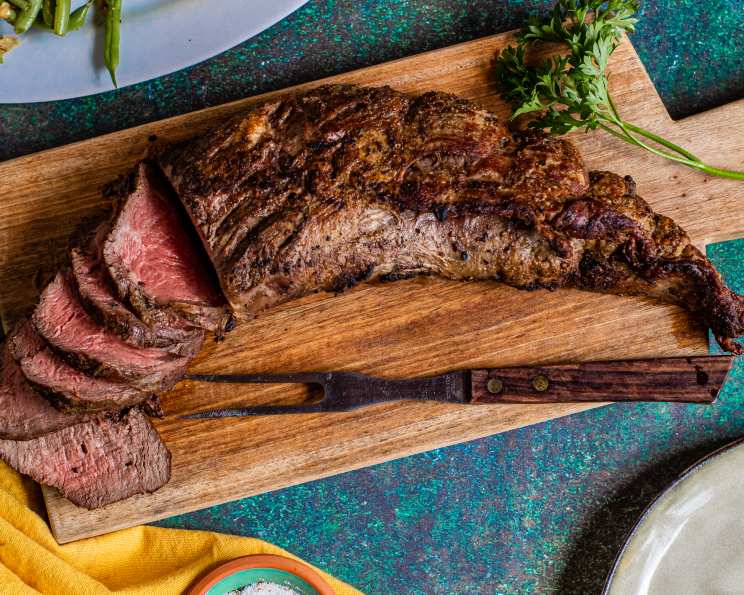
The Perfect Roasted Fillet of Beef (Beef Tenderloin)
The aroma still takes me back. Christmas Eve, 2008. My grandmother, a woman who ruled the kitchen with an iron fist and a heart full of love, unveiled a magnificent roasted beef tenderloin. The perfectly seared crust, the rosy pink center, and the tantalizing scent of butter and pepper – it was a feast for the senses and a memory etched forever in my mind. It was that day that I truly understood the power of a simple, well-executed dish to create lasting moments. This recipe, while a little less traditional than hers, brings back that warmth and sense of occasion every time.
Recipe Overview
- Prep Time: 5 minutes
- Cook Time: 22-25 minutes
- Total Time: Approximately 45 minutes (including rest)
- Servings: Varies depending on fillet size; this recipe is ideal for a 4lb fillet
- Dietary Type: Gluten-Free, Dairy Optional (can be made dairy-free by using an alternative fat)
Ingredients
- 4 lbs filet of beef, trimmed and tied
- 2 tablespoons unsalted butter, at room temperature
- 1 tablespoon kosher salt
- 1 tablespoon fresh coarse ground black pepper
Equipment Needed
- Sheet pan
- Paper towels
- Aluminum foil
Instructions
- Preheat your oven to a scorching 500 degrees F (260 degrees C). Ensuring the oven is fully preheated is crucial for that beautiful sear.
- Place the beef tenderloin on a sheet pan.
- Thoroughly pat the outside of the beef dry with paper towels. This step is essential for achieving a good crust. Moisture is the enemy of browning.
- Spread the softened butter all over the beef tenderloin using your hands. The butter acts as a flavorful fat that aids in browning and keeps the beef moist.
- Sprinkle the kosher salt and freshly ground black pepper evenly over the entire surface of the buttered beef. Don’t be shy with the seasoning; it’s what gives the fillet its delicious crust.
- Roast in the preheated oven for precisely 22 minutes for a rare finish, or 25 minutes for medium-rare. Keep a close eye; oven temperatures can vary!
- Remove the beef tenderloin from the oven. Immediately cover it tightly with aluminum foil.
- Allow the beef to rest at room temperature for 20 minutes. This resting period is crucial! It allows the juices to redistribute throughout the meat, resulting in a more tender and flavorful final product.
- Remove the strings that were used to tie the tenderloin.
- Slice the fillet of beef thickly and serve immediately.
Expert Tips & Tricks
- Don’t skip the drying step! Patting the beef dry is crucial for achieving a good sear. Moisture inhibits browning, so the drier the surface, the better the crust.
- Use an instant-read thermometer. While the cooking times provided are accurate for most ovens, an instant-read thermometer is the most reliable way to ensure your beef is cooked to your desired level of doneness. For rare, aim for an internal temperature of 125-130°F (52-54°C). For medium-rare, aim for 130-135°F (54-57°C).
- Salt Early: Salting the beef at least an hour (or even a day) before cooking can significantly improve flavor and moisture retention. The salt draws moisture to the surface, which then dissolves the salt, creating a brine that is reabsorbed into the meat.
- Compound Butter Boost: Elevate the flavor profile by using a compound butter. Mix the softened butter with herbs like rosemary, thyme, or garlic before spreading it on the beef.
- High Heat Alert: Be aware that roasting at such a high temperature can cause your oven to smoke if it’s not perfectly clean. Take precautions to prevent this.
- Resting is Key: Resist the urge to cut into the beef immediately after removing it from the oven. The resting period allows the juices to redistribute, resulting in a more tender and flavorful final product. Tent the beef loosely with foil to keep it warm without steaming it.
Serving & Storage Suggestions
Serve the sliced beef tenderloin immediately for the best flavor and texture. It pairs beautifully with roasted vegetables, mashed potatoes, or a simple green salad. A red wine reduction sauce or a horseradish cream sauce also complements the rich flavor of the beef.
Leftover cooked beef tenderloin can be stored in an airtight container in the refrigerator for up to 3 days. To reheat, gently warm the slices in a skillet over low heat or in a 300°F (150°C) oven until heated through. Avoid overcooking, as this can dry out the beef. For longer storage, the cooked beef can be frozen for up to 2 months. Thaw overnight in the refrigerator before reheating.
Nutritional Information
Please note that these values are estimates and can vary based on specific ingredients and portion sizes.
| Nutrient | Amount per Serving | % Daily Value |
|---|---|---|
| Calories | 350 kcal (estimate) | 18% |
| Total Fat | 20g (estimate) | 31% |
| Saturated Fat | 9g (estimate) | 45% |
| Cholesterol | 150mg (estimate) | 50% |
| Sodium | 575mg (estimate) | 24% |
| Protein | 40g (estimate) | 80% |
| Carbohydrates | 0g (estimate) | 0% |
| Fiber | 0g (estimate) | 0% |
| Sugar | 0g (estimate) | 0% |
Variations & Substitutions
- Dairy-Free Option: Substitute the unsalted butter with olive oil or another plant-based butter alternative.
- Herb Crust: Before roasting, press chopped fresh herbs like rosemary, thyme, or parsley into the buttered surface of the beef.
- Spice Rub: Instead of just salt and pepper, create a spice rub with ingredients like garlic powder, onion powder, paprika, and cayenne pepper.
- Marinated Tenderloin: Marinate the tenderloin for a few hours (or overnight) in a mixture of olive oil, balsamic vinegar, garlic, and herbs.
- Pan-Seared First: For an even more intense crust, sear the tenderloin in a hot skillet with oil or butter on all sides before transferring it to the oven. This adds another layer of flavor and texture.
FAQs (Frequently Asked Questions)
Q: Can I use a different cut of beef for this recipe?
A: While you could, the tenderness of the beef tenderloin is what makes this recipe shine. Other cuts might be tougher and require different cooking methods.
Q: What if my oven doesn’t reach 500°F?
A: Use the highest temperature your oven can reach and increase the cooking time slightly, monitoring the internal temperature with a thermometer.
Q: How do I know if the beef is cooked to the right temperature without a thermometer?
A: While a thermometer is highly recommended, you can use the touch test. Press the center of the beef; if it feels soft and yielding, it’s likely rare. If it feels slightly firmer, it’s probably medium-rare.
Q: Can I prepare the beef ahead of time?
A: You can trim and tie the beef, and even apply the butter and seasonings, a day in advance. Store it covered in the refrigerator until ready to roast.
Q: Why is resting the beef so important?
A: Resting allows the juices to redistribute throughout the meat, resulting in a more tender and flavorful product. Cutting into the beef immediately will cause the juices to run out.
Final Thoughts
This roasted fillet of beef is a truly special dish, perfect for celebrations, holidays, or any occasion where you want to impress. Don’t be intimidated by the simplicity of the recipe; the key is to use high-quality ingredients and follow the instructions carefully. Experiment with variations to make it your own and don’t hesitate to share your feedback. Serve this succulent beef with a bold red wine like Cabernet Sauvignon or a lighter Pinot Noir, and enjoy the compliments that are sure to follow!