
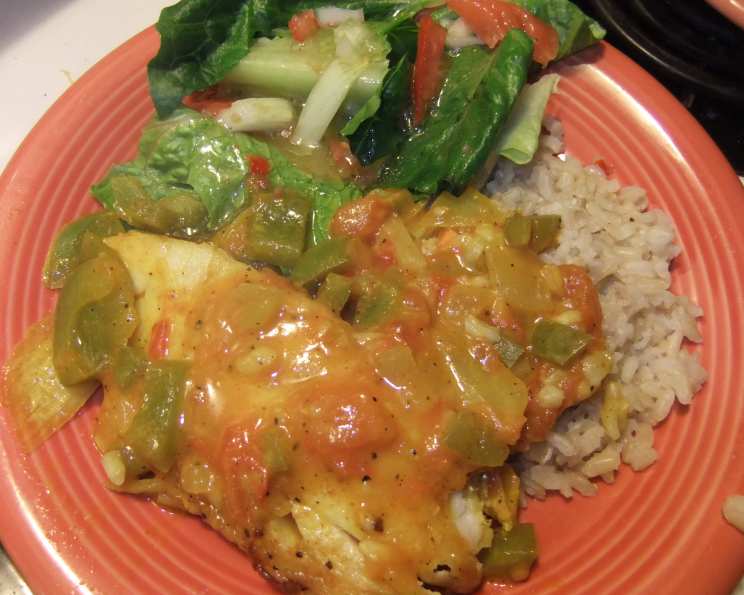
Fish in Coconut Milk Curry: A Taste of Coastal Kenya
The first time I tasted fish curry simmered in coconut milk, I was standing barefoot on a beach in Mombasa, Kenya. The air was thick with the scent of salt and spices, and the setting sun painted the sky in vibrant hues of orange and pink. A local woman, her face etched with warmth and wisdom, ladled a generous portion of the creamy, fragrant stew onto my plate. The delicate flakes of fish, infused with the richness of coconut and the warmth of garam masala, transported me to a culinary paradise. This recipe aims to recreate that unforgettable experience, bringing the exotic flavors of the Kenyan coast to your kitchen.
Recipe Overview
- Prep Time: 20 minutes
- Cook Time: 20 minutes
- Total Time: 40 minutes
- Servings: 4-6
- Yield: 1 pot
- Dietary Type: Dairy-Free
Ingredients
- 3 lbs fish fillets (such as snapper, cod, or tilapia), cut into serving pieces
- 3 tablespoons oil (vegetable or coconut)
- 6 garlic cloves, minced
- 1 bell pepper (any color), chopped
- 1 onion, chopped
- 1 1/2 cups coconut milk (full-fat preferred)
- 3 tomatoes, chopped
- 2 tablespoons tamarind paste (or 2 tablespoons lemon juice)
- 3 teaspoons garam masala (or 3 teaspoons curry powder)
- Salt and pepper to taste
Equipment Needed
- Large pot or Dutch oven
- Cutting board
- Knife
- Spatula or spoon
Instructions
-
Begin by preparing your ingredients. Cut the fish fillets into serving pieces, approximately 2-3 inches in size. Chop the onion, bell pepper, garlic, and tomatoes into small, even pieces. Mincing the garlic will release its aromatic oils, infusing the curry with a more intense flavor.
-
Heat the oil in a large pot or Dutch oven over medium-high heat. Once the oil is shimmering, carefully add the fish fillets. Sear the fish on both sides until lightly browned, but do not cook it through completely. The goal is to develop some color and flavor on the surface. Remove the fish from the pot and set aside on a separate plate. They will finish cooking later in the simmering curry.
-
Reduce the heat to medium and add the chopped bell pepper and onion to the pot. Sauté until the onion becomes translucent and softened, about 5-7 minutes. Stir frequently to prevent burning.
-
Add the minced garlic to the pot and sauté for another 2 minutes, stirring constantly. Be careful not to burn the garlic, as this will impart a bitter taste to the curry.
-
Add the chopped tomatoes to the pot and bring the mixture to a boil. As the tomatoes cook down, they will release their juices, creating a flavorful base for the curry.
-
Now, add the coconut milk, tamarind paste (or lemon juice), and garam masala (or curry powder) to the pot. Bring the mixture to a boil, then reduce the heat to low and simmer for about 5 minutes, allowing the flavors to meld together.
-
Season the curry with salt and pepper to taste. Remember that the tamarind paste or lemon juice will add a touch of acidity, so adjust the seasoning accordingly.
-
Gently add the seared fish fillets back to the pot, nestling them into the simmering curry.
-
Cover the pot and simmer until the fish is cooked through and flakes easily with a fork, approximately 5-10 minutes. Be careful not to overcook the fish, as it will become dry and rubbery.
-
Once the fish is cooked, remove the pot from the heat and let it rest for a few minutes before serving. This allows the flavors to further meld and intensify.
Expert Tips & Tricks
- For a richer flavor, use full-fat coconut milk rather than light coconut milk. The higher fat content will create a creamier and more decadent curry.
- If you prefer a spicier curry, add a pinch of red pepper flakes or a finely chopped chili pepper to the pot along with the garlic.
- To prevent the fish from sticking to the pot, ensure that the oil is hot before adding the fillets. You can also lightly dust the fish with flour or cornstarch before searing.
- If the curry becomes too thick, add a splash of water or vegetable broth to thin it out.
- If you don’t have tamarind paste on hand, lemon juice works well as a substitute. The acidity of both ingredients helps to balance the richness of the coconut milk.
Serving & Storage Suggestions
Serve the Fish in Coconut Milk Curry hot, garnished with fresh cilantro or parsley. It pairs perfectly with fluffy rice, boiled potatoes, crispy chapatti, or broiled cassava. For a complete meal, consider serving it with a side of steamed vegetables or a fresh salad.
Leftovers can be stored in an airtight container in the refrigerator for up to 3 days. To reheat, gently warm the curry in a saucepan over low heat, stirring occasionally. Avoid overheating, as this can cause the fish to become dry. You can also reheat it in the microwave in 30-second intervals, stirring in between. Freezing is not recommended as the coconut milk may separate and the texture of the fish may change.
Nutritional Information
Estimated nutritional information per serving (approximate):
| Nutrient | Amount per Serving | % Daily Value |
|---|---|---|
| Calories | 550 kcal | 28% |
| Total Fat | 35g | 45% |
| Saturated Fat | 25g | 125% |
| Cholesterol | 150mg | 50% |
| Sodium | 300mg | 13% |
| Total Carbohydrate | 15g | 5% |
| Dietary Fiber | 3g | 10% |
| Sugars | 8g | 16% |
| Protein | 50g | 100% |
Variations & Substitutions
- Vegan Version: Substitute the fish with firm tofu or chickpeas. Ensure the tofu is pressed to remove excess water before searing.
- Seafood Medley: Use a combination of different types of seafood, such as shrimp, squid, and mussels, along with the fish.
- Vegetable Boost: Add other vegetables, such as spinach, kale, or green beans, to the curry for extra nutrients and flavor.
- Spicy Curry: Add a finely chopped scotch bonnet pepper for intense heat.
- Creamier Curry: Add a tablespoon of cashew cream at the end of cooking for extra creaminess.
FAQs (Frequently Asked Questions)
Q: Can I use frozen fish fillets for this recipe?
A: Yes, you can use frozen fish fillets. Be sure to thaw them completely before cooking and pat them dry with paper towels to remove any excess moisture.
Q: How can I tell if the fish is cooked through?
A: The fish is cooked through when it flakes easily with a fork and is no longer translucent in the center. The internal temperature should reach 145°F (63°C).
Q: Can I make this curry ahead of time?
A: Yes, you can make the curry base (without the fish) ahead of time and store it in the refrigerator for up to 2 days. Add the fish just before serving.
Q: What if I don’t have garam masala or curry powder?
A: If you don’t have either spice blend, you can create your own blend using a combination of cumin, coriander, turmeric, ginger, and cloves.
Q: Can I use light coconut milk instead of full-fat coconut milk?
A: Yes, you can use light coconut milk, but the curry will be less rich and creamy.
Final Thoughts
This Fish in Coconut Milk Curry is more than just a recipe; it’s an invitation to embark on a culinary journey to the sun-kissed shores of Kenya. The aromatic spices, the creamy coconut milk, and the delicate fish combine to create a symphony of flavors that will tantalize your taste buds and transport you to a place of warmth and tranquility. So, gather your ingredients, put on some music, and let the aroma of this exotic curry fill your kitchen. I encourage you to try this recipe and share your experience with others. Enjoy!