
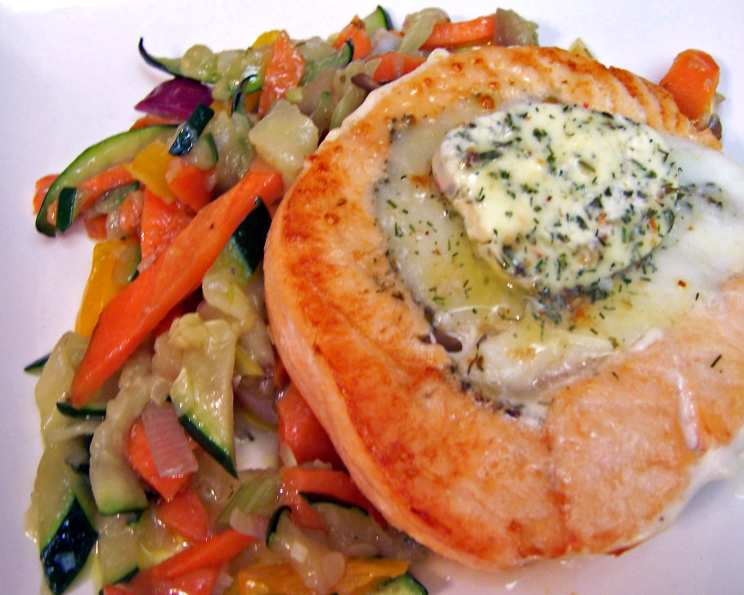
Fish Roll With Compound Butter: A Culinary Symphony
The memory still makes my mouth water. It was Christmas Eve, years ago, and I was a newly minted culinary school graduate, eager to impress my family. Tired of the same old roast beef, I wanted to create something truly special. Inspired by Alton Brown’s “Good Eats,” I decided to tackle these stunning Fish Rolls with Compound Butter. The presentation alone was breathtaking – perfectly round slices of fish, each adorned with a pat of flavorful butter. And the taste? A delicate dance of flaky fish, fresh herbs, and rich, savory butter that had everyone clamoring for seconds. It was a resounding success, cementing my reputation as the family’s “fancy” chef. Since then, this recipe has become a cherished tradition, a testament to the power of simple ingredients and clever technique.
Recipe Overview
- Prep Time: 30 minutes
- Cook Time: 3-6 minutes
- Total Time: 36 minutes
- Servings: 8-9
- Yield: 1 roll, approximately 8-9 slices
- Dietary Type: Pescatarian
Ingredients
- 2 thin salmon fillets
- 3 flounder fillets
- 8 sea scallops
- 1 tablespoon chopped fresh dill
- 1 tablespoon chopped fresh parsley
- Salt and pepper, for seasoning
- Canola oil, for brushing
For the Compound Butter:
- 4 ounces (1 stick) butter, at room temperature
- 1 teaspoon dry parsley flakes
- ¼ teaspoon salt
- ¼ teaspoon fresh ground black pepper
Equipment Needed
- Parchment paper
- Plastic wrap
- Metal skewer
- Sheet pan
- Broiler pan
- Large bowl
- Wooden spoon
Instructions
-
Prepare the Workspace: On your countertop, lay out a sheet of parchment paper and top it with a layer of plastic wrap. This will serve as your rolling surface.
-
Assemble the Fish Base: Lay out the salmon fillets on the plastic wrap, with the tails facing away from you. Make sure the fillets are relatively even in thickness for a more uniform roll.
-
Layer the Flounder: Overlap the flounder fillets about 1 inch over the tails of the salmon fillets. This ensures that each slice of the final roll will contain both types of fish.
-
Add the Scallop Core: Place the scallops on a metal skewer. This helps maintain their shape and prevents them from rolling around during assembly. Set the skewer of scallops at the end of the flounder fillets furthest from you.
-
Season and Herb: Sprinkle the chopped fresh dill and parsley evenly over the fish. Season generously with salt and pepper, ensuring that every layer is well-seasoned. Don’t be afraid to be generous here – the fish needs the flavor!
-
Roll the Roulade: Using the plastic wrap, carefully pull the fish towards you, so that the plastic begins to pull the flounder over the scallops. The key here is to keep everything tight and even.
-
Tighten the Roll: Be careful not to roll the plastic into the fish roll. Use a sheet pan to push the roll tightly as you pull the plastic toward you. This helps create a firm, compact roulade. The roll should be tight, and you should be able to remove the sheet of plastic without the roll unraveling.
-
Parchment Wrap and Chill: Then roll the fish in the parchment paper away from you so it is covered and can be placed into the refrigerator. This will help the roll maintain its shape. Refrigerate for at least 1 hour. This chilling step is crucial, allowing the proteins to firm up, making it easier to slice.
-
Prepare the Compound Butter: While the fish is chilling, make the compound butter. In a large bowl, using a wooden spoon, cream together the softened butter, dry parsley flakes, salt, and fresh ground black pepper. Ensure that all the ingredients are fully incorporated, creating a homogenous mixture.
-
Shape and Chill the Butter: Place the compound butter mixture on a piece of parchment paper and fold the parchment over itself. Gently shape the butter into a log, then pull the parchment to form a tight roll and twist the ends. This will create a neat, cylindrical shape. Place the butter in the freezer for about 10 minutes to firm up slightly. This makes it easier to slice later.
-
Preheat the Broiler: Preheat your broiler on high. Make sure your broiler rack is positioned close to the heat source.
-
Slice and Prepare for Broiling: Remove the metal skewer from the chilled fish roll. Using a sharp knife, slice the roulade into ¾ to 1-inch rounds. The thickness will affect the cooking time, so aim for consistency.
-
Broil the Fish: Place the fish rounds onto a broiler pan, removing the parchment paper once the rolls are on the pan. Brush each round lightly with canola oil. This will help the fish brown nicely and prevent it from drying out.
-
Broil to Perfection: Put the pan under the preheated broiler for 3 to 6 minutes, depending on how well done you like your fish. Watch closely to prevent burning. The fish is done when it’s opaque and flakes easily with a fork.
-
Serve with Compound Butter: Serve each fish roll with a slice of the compound butter on top. The butter will melt slightly, adding a burst of flavor and richness to the fish.
Expert Tips & Tricks
- Fish Freshness is Key: Use the freshest fish possible for the best flavor and texture. Look for fillets that are firm, shiny, and free of any fishy odor.
- Don’t Overcrowd the Pan: When broiling, avoid overcrowding the pan, as this can steam the fish instead of browning it. Work in batches if necessary.
- Herb Variations: Feel free to experiment with different herbs in both the fish roll and the compound butter. Tarragon, chives, or lemon thyme would all be excellent additions.
- Make-Ahead Magic: The fish roll can be assembled a day in advance and stored in the refrigerator, tightly wrapped in parchment paper. This is a great way to save time when entertaining.
Serving & Storage Suggestions
Serve the Fish Rolls with Compound Butter immediately after broiling for the best flavor and texture. They make a stunning appetizer or a light main course. Consider pairing them with a fresh green salad or roasted vegetables.
Leftovers can be stored in an airtight container in the refrigerator for up to 2 days. To reheat, gently warm the fish rolls in a preheated oven at 300°F (150°C) for about 5-10 minutes, or until heated through. Avoid microwaving, as this can make the fish tough.
Nutritional Information
| Nutrient | Amount per Serving | % Daily Value |
|---|---|---|
| Calories | 260 kcal | – |
| Calories from Fat | 135 kcal | – |
| Total Fat | 15 g | 23% |
| Saturated Fat | 7.4 g | 36% |
| Cholesterol | 87 mg | 29% |
| Sodium | 471 mg | 19% |
| Total Carbs | 6 g | 2% |
| Dietary Fiber | 3 g | 12% |
| Sugars | 1 g | 3% |
| Protein | 26 g | 51% |
Variations & Substitutions
- Spicy Kick: Add a pinch of red pepper flakes to the compound butter for a subtle heat.
- Citrus Zest: Incorporate lemon or lime zest into the fish roll and/or the compound butter for a bright, zesty flavor.
- Different Fish: Substitute cod, halibut, or sea bass for the flounder, depending on availability and preference.
- Seafood Medley: Add cooked shrimp or lobster to the scallop center for an even richer seafood experience.
FAQs (Frequently Asked Questions):
Q: Can I use frozen fish for this recipe?
A: While fresh fish is always preferred, you can use frozen fish if it’s properly thawed and patted dry. Ensure it is fully thawed before using, and remove any excess moisture to help the fish brown properly.
Q: What if I don’t have a broiler? Can I bake these?
A: Yes, you can bake the fish rolls. Preheat your oven to 375°F (190°C) and bake for 10-15 minutes, or until the fish is cooked through and flakes easily with a fork.
Q: Can I make the compound butter ahead of time and store it?
A: Absolutely! Compound butter can be made several days in advance and stored in the refrigerator or freezer. Just be sure to wrap it tightly to prevent it from absorbing any odors.
Q: How do I prevent the fish roll from falling apart when slicing?
A: Ensuring the fish roll is properly chilled is key. Also, using a very sharp knife and slicing with a gentle sawing motion will help keep the roll intact.
Q: What’s the best way to tell if the fish is cooked through?
A: The fish is done when it’s opaque and flakes easily with a fork. You can also use a meat thermometer to check the internal temperature, which should be 145°F (63°C).
Final Thoughts
This Fish Roll with Compound Butter recipe is more than just a dish; it’s an invitation to create something beautiful and delicious. Don’t be intimidated by the seemingly complex presentation – with a little patience and these detailed instructions, you’ll be able to create a culinary masterpiece that will impress your friends and family. So, gather your ingredients, put on your chef’s hat, and get ready to experience the joy of cooking. And remember to share your creations (and your feedback!) – I’d love to hear how it turns out! Pair this dish with a crisp Sauvignon Blanc for a truly unforgettable dining experience. Bon appétit!