
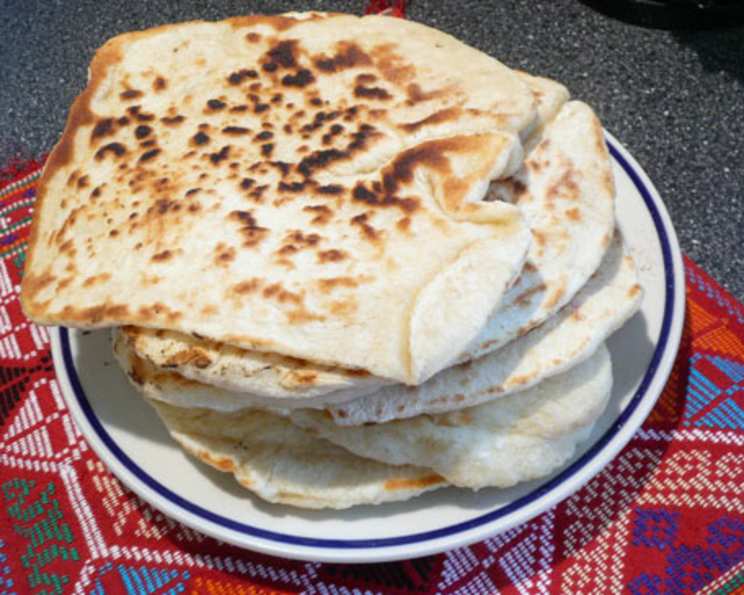
The Humble Flatbread: A Taste of Home
The scent of freshly baked flatbread always transports me back to my childhood. My grandmother, a woman of few words but boundless love, would make them every Sunday morning. The rhythmic thwack of the dough being stretched, the gentle hiss as it hit the hot pan – these sounds are etched into my memory. She never measured anything, a pinch of this, a handful of that, yet they always came out perfectly. These flatbreads weren’t just food; they were warmth, comfort, and a tangible expression of love. I hope to capture that essence in this recipe.
Recipe Overview
- Prep Time: 20 minutes
- Cook Time: 8 minutes
- Rest Time: 2 hours 15 minutes
- Total Time: 2 hours 43 minutes
- Yields: 8 flatbreads
- Dietary Type: Vegetarian
Ingredients
- 1 tablespoon caster sugar
- 7g sachet dried yeast (or 15g fresh yeast)
- 4 cups plain flour
- 1 tablespoon table salt
- ½ cup Greek yogurt
- Vegetable oil, for brushing
Equipment Needed
- Large mixing bowl
- Measuring cups and spoons
- Clean kitchen cloth or tea towel
- Lightly oiled trays
- Cast iron skillet or frying pan
- Rolling pin
Instructions
-
In a bowl, combine the caster sugar, dried yeast (or crumbled fresh yeast), and 375ml warm water. The water should be warm to the touch, not hot, to avoid killing the yeast. Let this mixture stand in a warm place for 10 minutes, or until it begins to foam. This foaming action indicates that the yeast is active and ready to leaven the dough.
-
In a large bowl, combine the plain flour and table salt. Whisk these dry ingredients together to ensure even distribution of the salt, which is crucial for controlling the yeast activity and enhancing the flavor.
-
Add the yeast mixture and Greek yogurt to the flour mixture. Combine well, initially with a spoon or spatula, then using your hands as the dough comes together. The yogurt adds a subtle tang and contributes to a softer, more pliable flatbread.
-
Turn the dough out onto a lightly floured surface. Knead for 5 minutes, or until the dough is smooth and elastic. Kneading develops the gluten in the flour, which gives the flatbread structure and chewiness. If the dough is too sticky, add a little more flour, one tablespoon at a time, until it becomes manageable.
-
Place the dough in a lightly oiled bowl, turning it to coat all sides. Cover the bowl with a clean cloth or tea towel. Let it stand in a warm place for 2 hours, or until the dough has doubled in size. This first rise allows the yeast to work its magic, creating air pockets in the dough that result in a light and airy flatbread.
-
After the first rise, punch the dough down gently to release the excess air. Divide the dough into 8 equal portions. Shape each portion into a ball.
-
Place the dough balls on lightly oiled trays, cover with a cloth, and let them stand for another 15 minutes. This second, shorter rise allows the gluten to relax and makes the dough easier to roll out.
-
Heat a cast iron skillet or frying pan over medium heat. Brush the pan lightly with vegetable oil. The pan needs to be hot enough to cook the flatbread quickly but not so hot that it burns.
-
Place one piece of dough on a lightly floured surface. Using a rolling pin, roll it out into a thin, approximately 22cm round. Aim for an even thickness to ensure even cooking.
-
When the skillet is very hot, carefully place the dough round into the pan. Cook for 1 minute, or until brown spots appear on the base and it begins to bubble.
-
Turn the flatbread and cook for another minute on the other side, until it is also browned and cooked through. The flatbread should puff up slightly as it cooks.
-
Place the cooked flatbread on a plate and cover with a cloth to keep it warm while you cook the remaining flatbreads.
-
Lightly brush the pan with a little more vegetable oil before cooking each subsequent flatbread. Repeat the rolling and cooking process with the remaining dough rounds.
-
Store any leftover flatbreads in an airtight container or freeze them for longer storage.
Expert Tips & Tricks
- Yeast Activation: Ensure your yeast is fresh and active. If the yeast mixture doesn’t foam after 10 minutes, it might be expired. Start with fresh yeast.
- Dough Handling: If the dough is too sticky, don’t be afraid to add a little more flour. However, be careful not to add too much, as this can make the flatbreads tough.
- Pan Temperature: The key to perfect flatbreads is a hot pan. If the pan isn’t hot enough, the flatbreads will be pale and soggy. If it’s too hot, they’ll burn before they’re cooked through. Adjust the heat as needed.
- Even Cooking: Use a spatula to gently press down on any large bubbles that form during cooking. This will ensure even cooking and prevent the flatbread from burning.
- Flavor Infusion: For enhanced flavor, try adding herbs like rosemary, thyme, or oregano to the dough during the kneading process. Minced garlic or a pinch of red pepper flakes can also add a delicious kick.
Serving & Storage Suggestions
Serve these flatbreads warm, straight from the pan. They are incredibly versatile and can be used in countless ways. Use them as a base for homemade pizzas, wraps for gyros or falafel, or simply serve them alongside dips like hummus, tzatziki, or baba ghanoush. They’re also delicious with soups and stews, perfect for soaking up the flavorful broth.
Store leftover flatbreads in an airtight container at room temperature for up to 2 days. For longer storage, freeze them in a freezer-safe bag or container for up to 2 months. To reheat, simply warm them in a dry skillet, oven, or microwave until heated through. A quick spritz of water before reheating can help prevent them from drying out.
Nutritional Information
| Nutrient | Amount per Serving | % Daily Value |
|---|---|---|
| Calories | 236 kcal | 12% |
| Total Fat | 0.7g | 1% |
| Saturated Fat | 0.1g | 1% |
| Cholesterol | 0mg | 0% |
| Sodium | 870mg | 36% |
| Total Carbohydrate | 50g | 17% |
| Dietary Fiber | 2g | 7% |
| Sugars | 2g | 4% |
| Protein | 7g | 14% |
Note: Nutritional information is an estimate and may vary based on specific ingredients and preparation methods.
Variations & Substitutions
- Gluten-Free Flatbread: Substitute the plain flour with a gluten-free all-purpose flour blend. You may need to add a little xanthan gum to help bind the dough.
- Whole Wheat Flatbread: Replace half of the plain flour with whole wheat flour for a nuttier flavor and increased fiber.
- Dairy-Free Flatbread: Use a plant-based yogurt alternative, such as soy or coconut yogurt, in place of the Greek yogurt.
- Flavored Flatbreads: Experiment with different herbs, spices, and seasonings to create unique flavor combinations. Try adding garlic powder, onion powder, paprika, or Italian seasoning to the dough.
- Sweet Flatbreads: For a sweet treat, add a touch more sugar to the dough and sprinkle with cinnamon sugar after cooking.
FAQs (Frequently Asked Questions)
Q: Can I use fresh yeast instead of dried yeast?
A: Yes, you can. Use 15g of fresh yeast instead of the 7g sachet of dried yeast.
Q: My dough isn’t rising. What could be the problem?
A: The most common reason is that the yeast is inactive. Make sure your yeast is fresh, and the water is warm, not hot. Also, the room temperature should be warm enough for the yeast to thrive.
Q: How do I prevent the flatbreads from becoming too tough?
A: Avoid over-kneading the dough and adding too much flour. Also, ensure the pan isn’t too hot, which can cause the flatbreads to cook too quickly and become dry.
Q: Can I make the dough ahead of time?
A: Yes, you can prepare the dough and let it rise in the refrigerator for up to 24 hours. Bring it to room temperature before proceeding with the recipe.
Q: How do I reheat leftover flatbreads?
A: Reheat them in a dry skillet over medium heat, in a preheated oven at 350°F (175°C), or in the microwave. A quick spritz of water can help prevent them from drying out.
Final Thoughts
Making flatbread is more than just following a recipe; it’s about connecting with tradition and creating something truly special. Don’t be afraid to experiment with flavors and techniques to make this recipe your own. Whether you’re serving them with a hearty stew, using them as a base for creative pizzas, or simply enjoying them with your favorite dip, these homemade flatbreads are sure to bring a little bit of joy to your table. I hope you enjoy making them as much as I do. And please, don’t hesitate to share your feedback and experiences – I’d love to hear how they turn out!