
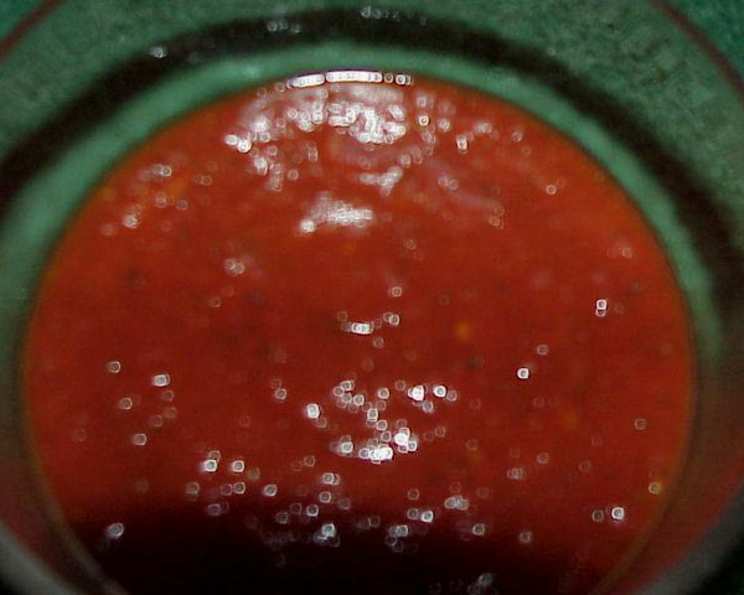
Garden Tomato Paste: A Taste of Summer Preserved
I remember the first time I made tomato paste. The late summer sun streamed through my kitchen window, illuminating dust motes dancing in the air as I stirred a bubbling pot of what seemed like an endless quantity of tomatoes. The air was thick with the sweet, earthy aroma of concentrated tomato essence, a smell that instantly transported me back to my grandmother’s garden, overflowing with sun-ripened fruit. It was a labor of love, a way to bottle the fleeting taste of summer and savor it throughout the colder months. It was more than just cooking; it was preserving a memory.
Recipe Overview
- Prep Time: 30 minutes
- Cook Time: 3 hours
- Total Time: 3 hours 30 minutes
- Yield: 4 Cups
- Dietary Type: Vegan, Gluten-Free, Dairy-Free
Ingredients
- 7 lbs meaty tomatoes, such as plum
- ½ cup chopped celery
- 1 cup chopped carrot
- 1 cup chopped onion
- 2 tablespoons chopped fresh basil or 1 tablespoon dried basil
- ½ teaspoon chopped fresh rosemary or ¼ teaspoon dried rosemary
- 2 teaspoons salt
- ½ teaspoon cinnamon
- 6 whole cloves
- 8 peppercorns
- 2 cloves garlic, chopped
Equipment Needed
- Large heavy saucepan
- Food mill or sieve
- Ice cube trays
- Freezer bags
Instructions
- Wash the tomatoes and remove the cores. Coarsely chop them – there’s no need to peel them.
- In a large heavy saucepan, combine the chopped tomatoes with the remaining ingredients: chopped celery, chopped carrot, chopped onion, chopped fresh basil (or dried basil), chopped fresh rosemary (or dried rosemary), salt, cinnamon, whole cloves, peppercorns, and chopped garlic.
- Bring the mixture to a boil over medium-high heat. Once boiling, immediately reduce the heat to low and simmer, covered, stirring occasionally, for approximately 25-30 minutes, or until all the ingredients are soft and tender.
- Press the cooked tomato mixture through a food mill (this is the preferable method for a smoother paste) or use a sieve. This removes the skins and seeds, leaving you with a smooth, pulpy base.
- Return the pureed tomato mixture to a clean heavy saucepan. Cook over very low heat for about 3 hours, stirring occasionally, until the mixture is very thick and has reduced significantly. The cooking time may vary depending on the water content of your tomatoes and the humidity in your kitchen.
- The key to a great tomato paste is patience. Make sure the heat is as low as possible to prevent scorching. Stir regularly, paying special attention to the bottom and edges of the pot. The paste is done when it is very thick and holds its shape well. This process may take a bit longer than three hours, so trust your instincts.
- Cool the tomato paste completely.
- Once cooled, pack the tomato paste into ice cube trays. This allows you to freeze it in convenient, pre-portioned sizes for future use.
- Freeze the tomato paste in the ice cube trays until solid. Once frozen, transfer the tomato paste cubes to freezer bags for longer-term storage. Label the bags with the date.
Expert Tips & Tricks
- Tomato Selection is Key: Use ripe, meaty tomatoes like plum, Roma, or San Marzano for the best flavor and texture. Avoid using tomatoes that are bruised or damaged.
- Preventing Scorching: The low and slow cooking process is essential to develop the rich flavor of the tomato paste. Use a heavy-bottomed saucepan to prevent scorching. Stir frequently, especially during the later stages of cooking, as the paste thickens.
- Spice Customization: Feel free to adjust the spices to your preference. A pinch of red pepper flakes can add a subtle heat, while a bay leaf can contribute a deeper, more complex flavor. Remember to remove the bay leaf before pureeing.
- Food Mill vs. Sieve: A food mill is the preferred method for removing skins and seeds because it produces a smoother, more consistent paste. However, a sieve works well too; just be sure to press firmly to extract as much pulp as possible.
- Freezing Tips: Freezing the tomato paste in ice cube trays is a convenient way to portion it out for future use. Once the cubes are frozen solid, transfer them to freezer bags to prevent freezer burn.
- Flavor Boost: For an extra layer of flavor, try roasting your tomatoes before simmering. Toss the tomatoes with olive oil, salt, and pepper, then roast at 400°F (200°C) until softened and slightly caramelized.
Serving & Storage Suggestions
The beauty of homemade tomato paste lies in its versatility. Use it to deepen the flavor of sauces, stews, soups, and braises. A spoonful can transform a simple pasta sauce into a rich, complex dish. It’s also fantastic in marinades, rubs, and even dips.
- Serving: Add a dollop of tomato paste to your favorite dishes for a concentrated burst of tomato flavor. It’s particularly delicious in Italian and Mediterranean cuisine.
- Storage: Frozen tomato paste cubes will keep in the freezer for up to 6 months. For optimal flavor, use within 3 months.
- Reheating: No reheating is needed! Simply add a cube or two of frozen tomato paste directly to your cooking pot or pan. It will quickly thaw and melt into your dish.
Nutritional Information
| Nutrient | Amount per Serving | % Daily Value |
|---|---|---|
| Calories | 176.3 kcal | N/A |
| Calories from Fat | 15 g | N/A |
| Total Fat | 1.7 g | 2% |
| Saturated Fat | 0.4 g | 2% |
| Cholesterol | 0 mg | 0% |
| Sodium | 1233.1 mg | 51% |
| Total Carbohydrate | 39 g | 13% |
| Dietary Fiber | 11.3 g | 45% |
| Sugars | 24.1 g | N/A |
| Protein | 7.8 g | 15% |
Note: Nutritional information is an estimate and may vary based on specific ingredients and portion sizes.
Variations & Substitutions
- Herb Variations: Experiment with different herbs to customize the flavor of your tomato paste. Try adding oregano, thyme, or marjoram for a more savory profile.
- Spicy Tomato Paste: Add a pinch of red pepper flakes or a chopped chili pepper to the tomato mixture for a spicy kick.
- Roasted Garlic Tomato Paste: Roast the garlic cloves before adding them to the tomato mixture for a sweeter, mellower flavor.
- Sweet Tomato Paste: Add a tablespoon of honey or maple syrup to the tomato mixture for a touch of sweetness.
- No Salt Added: Omit the salt for a low-sodium version. You can always add salt to taste when using the tomato paste in your recipes.
FAQs (Frequently Asked Questions)
Q: How do I prevent my tomato paste from scorching?
A: The key is to use a heavy-bottomed saucepan and cook the tomato paste over very low heat. Stir frequently, especially as the mixture thickens, to prevent it from sticking to the bottom of the pan.
Q: Can I use canned tomatoes instead of fresh tomatoes?
A: While fresh tomatoes are ideal for the best flavor, you can use canned crushed tomatoes in a pinch. Be sure to drain them well before adding them to the saucepan. You might need to adjust the cooking time, as canned tomatoes often have a higher water content.
Q: How do I know when the tomato paste is done?
A: The tomato paste is done when it is very thick and has reduced significantly in volume. It should hold its shape well when you stir it.
Q: Can I make this recipe without a food mill or sieve?
A: While a food mill or sieve is recommended for a smooth paste, you can skip this step if you prefer a more rustic texture. Just be aware that the finished product will have skins and seeds in it.
Q: How long does homemade tomato paste last?
A: Frozen tomato paste cubes will last for up to 6 months in the freezer. For optimal flavor, use them within 3 months.
Final Thoughts
This Garden Tomato Paste is more than just a recipe; it’s a connection to the earth, a celebration of seasonal flavors, and a way to preserve the bounty of your garden (or farmer’s market) for months to come. I encourage you to try this recipe, embrace the slow, mindful process, and create a pantry staple that will elevate your cooking to new heights. Don’t hesitate to experiment with different herbs and spices to personalize the flavor to your liking. And be sure to share your creations and experiences with others – the joy of cooking is always best when shared!