
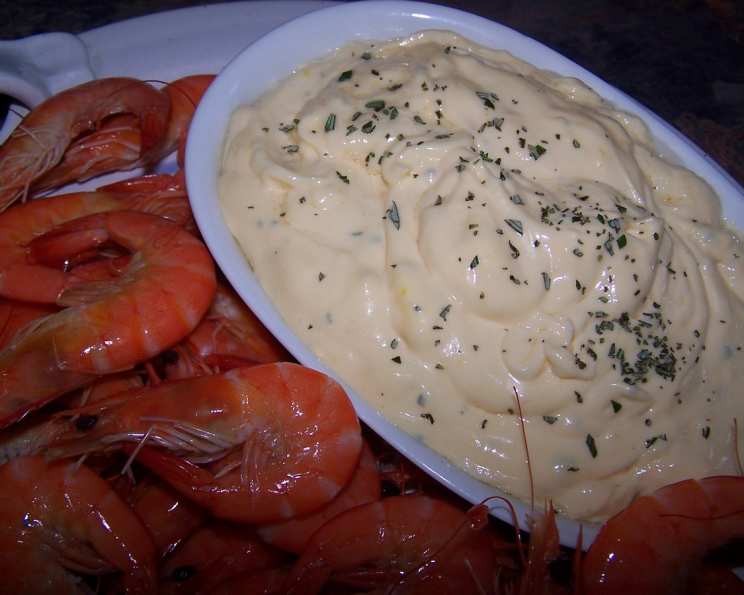
Garlic Rosemary Aioli: An Ode to Flavor
My grandmother, bless her soul, always had a jar of homemade aioli in the refrigerator. It wasn’t just a condiment; it was a culinary cornerstone. I remember sneaking dollops of it straight from the jar when I thought she wasn’t looking, the pungent garlic and herbaceous rosemary singing on my tongue. It was that simple pleasure, that vibrant burst of flavor, that sparked my lifelong love affair with aioli. This recipe is my homage to her, a slightly elevated take on a classic that’s sure to become a staple in your own kitchen.
Recipe Overview
- Prep Time: 10 minutes
- Cook Time: 0 minutes
- Total Time: 10 minutes
- Servings: About 2 1/2 cups
- Yield: 2 1/2 cups
- Dietary Type: Vegetarian (can be made vegan, see variations)
Ingredients
- 3 egg yolks (use pasteurized for safety if preferred)
- 2 tablespoons fresh lemon juice
- 1 teaspoon lemon zest
- 1 tablespoon finely minced garlic (adjust to taste – this is the star!)
- 1 sprig fresh rosemary, finely minced
- 1 teaspoon salt
- 1/2 teaspoon white pepper
- 1 teaspoon Dijon mustard
- 1 dash Tabasco sauce (optional, for a little kick)
- 2 cups vegetable oil (or other neutral-flavored oil like canola or grapeseed)
Equipment Needed
- Food processor
- Measuring cups and spoons
- Small bowls (for prepping ingredients)
Instructions
-
Begin by preparing your ingredients. Zest the lemon to get 1 teaspoon, then juice the lemon to get 2 tablespoons. Mince the garlic very finely; nobody wants big chunks of raw garlic in their aioli. Finely mince the fresh rosemary; removing the tough stem. Measure out all other ingredients and have them ready to go.
-
In the bowl of a food processor, combine the egg yolks, fresh lemon juice, lemon zest, finely minced garlic, fresh rosemary, salt, white pepper, Dijon mustard, and Tabasco sauce (if using).
-
Process these ingredients until they are thoroughly combined, creating a smooth, homogenous mixture. This usually takes about 30 seconds to a minute, depending on your food processor.
-
With the food processor running, slowly, very slowly, pour the vegetable oil into the bowl in a thin, steady stream. This is crucial for emulsification. If you pour too quickly, the aioli may not come together properly and will “break.”
-
Continue adding the oil in a slow and steady stream until the aioli reaches your desired thickness. You may not need to use all 2 cups of oil. The aioli will thicken as it processes. Pay close attention to the consistency as you pour.
-
Once the aioli is thick and creamy, stop the food processor. Be careful not to over-process the aioli, as this can cause it to separate.
-
Taste and adjust seasonings as needed. You might want to add a bit more salt, pepper, garlic, or lemon juice to suit your palate.
Expert Tips & Tricks
- Temperature is key: Ensure your egg yolks are at room temperature for better emulsification. Let them sit out for about 30 minutes before starting.
- Slow and steady wins the race: The slower you add the oil, the better the emulsification will be. Patience is essential here.
- Dealing with a broken aioli: If your aioli separates (looks curdled), don’t panic! In a clean bowl, whisk another egg yolk with a teaspoon of Dijon mustard. Then, very slowly drizzle the broken aioli into the yolk-mustard mixture, whisking constantly, until it comes back together.
- Garlic intensity: For a milder garlic flavor, blanch the minced garlic in boiling water for a minute or two before adding it to the food processor.
- Herb Infusion: Try infusing the vegetable oil with rosemary sprigs for a few days before making the aioli for an even deeper rosemary flavor. Gently heat the oil with the rosemary sprigs over low heat for about 30 minutes, then let it cool completely before straining and using.
Serving & Storage Suggestions
This Garlic Rosemary Aioli is incredibly versatile. It’s fantastic served with grilled vegetables like asparagus or artichokes, roasted potatoes, or as a dipping sauce for fried calamari or shrimp. It’s also delicious spread on sandwiches or burgers.
Store any leftover aioli in an airtight container in the refrigerator. It will keep for up to 3-4 days. Due to the raw egg yolks, it is essential to keep it refrigerated and consume it within a reasonable timeframe for food safety. Aioli is not suitable for freezing, as the emulsion will break upon thawing, resulting in an unappetizing texture.
Nutritional Information
Estimated nutritional information per serving (approximately 1/4 cup):
| Nutrient | Amount per Serving | % Daily Value |
|---|---|---|
| Calories | 550 kcal | 28% |
| Total Fat | 60g | 92% |
| Saturated Fat | 8g | 40% |
| Cholesterol | 85mg | 28% |
| Sodium | 150mg | 7% |
| Total Carbohydrate | 1g | 0% |
| Dietary Fiber | 0g | 0% |
| Sugars | 0g | 0% |
| Protein | 1g | 2% |
Please note that these values are estimates and can vary based on specific ingredients used and portion sizes.
Variations & Substitutions
- Vegan Aioli: Replace the egg yolks with silken tofu (drained and pressed) or aquafaba (the liquid from canned chickpeas). You may need to adjust the amount of oil to achieve the desired consistency.
- Spicy Aioli: Add a pinch of cayenne pepper or a finely chopped jalapeno to the mixture for an extra kick.
- Citrus Variations: Experiment with different citrus fruits, such as orange or grapefruit, instead of lemon.
- Herb Variations: Try other herbs, such as thyme, oregano, or basil, in place of or in addition to the rosemary.
- Smoked Paprika Aioli: Add 1/2 teaspoon of smoked paprika for a smoky, savory flavor.
FAQs (Frequently Asked Questions)
Q: Can I make this aioli by hand without a food processor?
A: While a food processor makes it much easier, you can make aioli by hand using a whisk. Be prepared for a serious arm workout, and be even more diligent about slowly drizzling in the oil.
Q: Why is my aioli so thin?
A: Thin aioli usually means the emulsion hasn’t formed properly. This can be caused by adding the oil too quickly or by using ingredients that aren’t at the right temperature. Try the “broken aioli” rescue method described in the tips.
Q: Can I use olive oil instead of vegetable oil?
A: You can, but be aware that olive oil has a stronger flavor, which can overpower the garlic and rosemary. A light or mild olive oil is best if you choose to use it.
Q: How can I tell if the egg yolks are safe to use?
A: If you are concerned about using raw eggs, use pasteurized egg yolks. These are available in some grocery stores.
Q: How long does this aioli last?
A: Properly stored in the refrigerator, this aioli should last for 3-4 days. Due to the raw egg yolks, it is important to consume it within this timeframe for food safety.
Final Thoughts
I truly hope you’ll give this Garlic Rosemary Aioli recipe a try. It’s a deceptively simple condiment that elevates almost any dish. Whether you’re grilling up some vegetables, preparing a batch of crispy fries, or simply looking for a flavorful spread for your sandwiches, this aioli is sure to impress. Don’t be afraid to experiment with the variations and make it your own. Share your creations and let me know how it turns out! Bon appétit!