
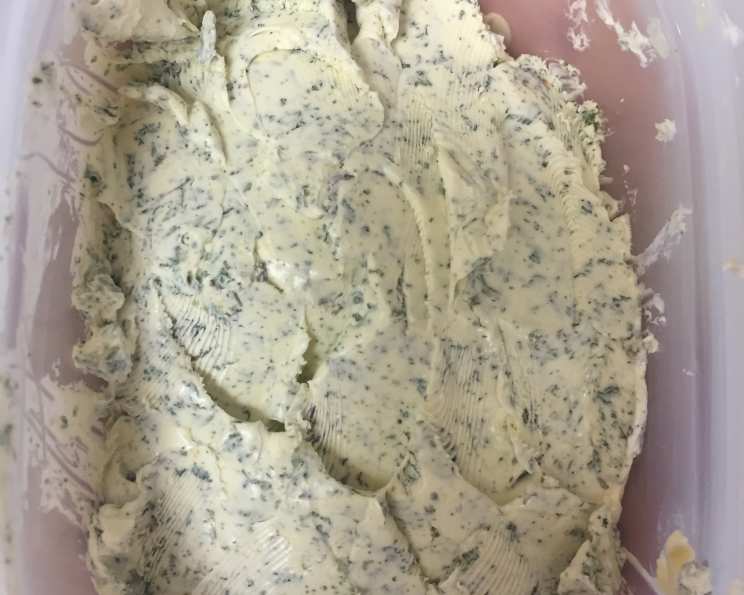
Garlic Sage Butter: A Symphony of Flavor
The aroma of sage, crisping gently in browned butter, is a scent that instantly transports me back to my grandmother’s kitchen. She wasn’t a fancy cook, but she had a knack for coaxing incredible flavors out of simple ingredients. I remember watching, mesmerized, as she’d crush fresh sage leaves between her fingers, the fragrant oils releasing into the air. This garlic sage butter captures that same comforting essence, a reminder of the warmth and love that always seemed to emanate from her kitchen. It’s a simple preparation, but the flavor is anything but ordinary.
Recipe Overview
- Prep Time: 5 minutes
- Cook Time: 0 minutes
- Total Time: 5 minutes
- Servings: 12
- Yield: Approximately 1/2 cup
- Dietary Type: Vegetarian, Gluten-Free
Ingredients
- ½ cup butter, room temperature
- 8-10 sage leaves, for about ¼ cup chopped
- 2 large garlic cloves
- ¼ teaspoon salt
Equipment Needed
- Food processor or cutting board and knife
- Small bowl
- Spatula or spoon
- Plastic wrap or parchment paper (optional, for shaping)
Instructions
- Prepare the sage: Thoroughly wash and dry the sage leaves. This is important to prevent the butter from becoming watery. Remove any tough stems.
- Prepare the garlic: Peel the garlic cloves. You can either mince them finely by hand or use a garlic press. Mincing by hand gives a slightly more robust garlic flavor.
- Combine ingredients using a food processor (Option 1): Place the softened butter, sage leaves, garlic cloves, and salt in a food processor.
- Pulse until combined using a food processor: Pulse the mixture until all ingredients are finely chopped and evenly distributed throughout the butter. Be careful not to over-process, as this can warm the butter too much. You want a chunky, flavorful compound butter, not a smooth paste. Aim for a coarse, yet homogenous mixture.
- Combine ingredients by hand (Option 2): Finely chop the sage leaves and garlic cloves. The finer the chop, the more evenly distributed the flavors will be.
- Mix by hand: In a small bowl, combine the softened butter, chopped sage, minced garlic, and salt.
- Mix thoroughly: Use a spatula or spoon to thoroughly combine the ingredients until they are evenly distributed. Ensure there are no pockets of plain butter.
- Chill (Optional): For best results, chill the garlic sage butter for at least 30 minutes before using. This allows the flavors to meld and the butter to firm up, making it easier to slice or spread.
- Shape (Optional): To create a decorative log of garlic sage butter, place the mixture on a sheet of plastic wrap or parchment paper. Roll the wrap tightly, forming a cylinder shape. Twist the ends of the wrap to secure. Refrigerate until firm.
Expert Tips & Tricks
- Bring butter to room temperature properly: The butter should be softened but not melted. Take it out of the refrigerator about an hour before you plan to use it. If it’s still too firm, you can gently warm it by cutting it into smaller pieces. Microwaving is not recommended as it can easily melt the butter.
- Use fresh sage: Fresh sage is crucial for the best flavor. Dried sage lacks the vibrancy and aromatic oils of fresh sage. If you absolutely must substitute, use about 1 teaspoon of dried sage, but the flavor will be significantly different.
- Salt adjustment: The amount of salt may need to be adjusted depending on the saltiness of your butter. Taste the mixture after combining and add more salt if needed.
- Infusion: For a more intense garlic flavor, roast the garlic cloves before adding them to the butter. Roasting mellows the harshness of the garlic and brings out its sweetness. To roast, wrap the garlic cloves (with skins on) in foil with a drizzle of olive oil and bake at 400°F (200°C) for 30-40 minutes, or until softened. Let cool before peeling and adding to the butter.
- Herb variations: While this recipe focuses on sage, feel free to experiment with other herbs. Rosemary, thyme, or parsley would also be delicious additions or substitutions. Consider using a combination of herbs for a more complex flavor profile.
- Lemon zest: Adding a teaspoon of lemon zest brightens the flavor and complements the sage and garlic.
Serving & Storage Suggestions
Garlic sage butter is incredibly versatile. Spread it on crusty bread, melt it over grilled steak or chicken, toss it with pasta, or use it to sauté vegetables. It’s also a fantastic addition to mashed potatoes or baked potatoes.
- Room Temperature: Do not leave at room temperature for more than 2 hours due to food safety concerns, particularly with fresh herbs.
- Refrigeration: Store leftover garlic sage butter in an airtight container in the refrigerator for up to one week.
- Freezing: For longer storage, freeze the butter in an airtight container or wrap it tightly in plastic wrap and then foil. It can be stored in the freezer for up to three months.
- Reheating: To reheat frozen garlic sage butter, thaw it in the refrigerator overnight or use the defrost setting on your microwave. Be careful not to melt it completely.
Nutritional Information
Estimated values are approximate and may vary based on specific ingredients used.
| Nutrient | Amount per Serving | % Daily Value |
|---|---|---|
| Calories | 69 kcal | 3% |
| Total Fat | 7.7 g | 11% |
| Saturated Fat | 4.9 g | 24% |
| Cholesterol | 20.3 mg | 6% |
| Sodium | 103 mg | 4% |
| Total Carbohydrate | 0.2 g | 0% |
| Dietary Fiber | 0 g | 0% |
| Sugars | 0 g | 0% |
| Protein | 0.1 g | 0% |
Variations & Substitutions
- Dairy-Free Option: Substitute the butter with a plant-based butter alternative. Ensure it’s a high-quality brand that melts and tastes similar to dairy butter.
- Spicy Kick: Add a pinch of red pepper flakes to the mixture for a subtle heat.
- Parmesan Cheese: Stir in 2 tablespoons of grated Parmesan cheese for a richer, more savory flavor.
- Brown Butter: For a nutty flavor, melt the butter in a saucepan over medium heat until it browns and has a nutty aroma. Let it cool slightly before adding the sage, garlic, and salt. Watch carefully to prevent burning.
- Maple Sage Butter: Add a teaspoon of maple syrup for a touch of sweetness that complements the savory sage.
FAQs (Frequently Asked Questions)
Q: Can I use dried sage instead of fresh sage?
A: While fresh sage is highly recommended for its superior flavor and aroma, you can substitute with dried sage in a pinch. Use about 1 teaspoon of dried sage for every ¼ cup of fresh chopped sage. Be aware that the flavor will be less intense.
Q: How long does garlic sage butter last?
A: When stored properly in an airtight container in the refrigerator, garlic sage butter will last for up to a week. You can also freeze it for up to three months.
Q: Can I use salted butter?
A: Yes, you can use salted butter, but be sure to reduce the amount of salt you add to the mixture. Taste and adjust as needed.
Q: What if my butter is too soft?
A: If your butter becomes too soft or melts during the mixing process, simply refrigerate the mixture for 15-20 minutes to firm it up before proceeding.
Q: How can I prevent the butter from browning when I cook with it?
A: To prevent the butter from browning too quickly, use medium-low heat and avoid overcrowding the pan. You can also add a tablespoon of oil to the pan along with the butter.
Final Thoughts
I hope this garlic sage butter recipe inspires you to get creative in the kitchen! It’s a simple yet impactful way to elevate everyday meals. Don’t be afraid to experiment with different herbs and spices to create your own unique flavor combinations. I’d love to hear how you use this garlic sage butter – feel free to share your creations and feedback! Pair it with a perfectly grilled ribeye steak or some roasted root vegetables for an unforgettable dining experience. Happy cooking!