
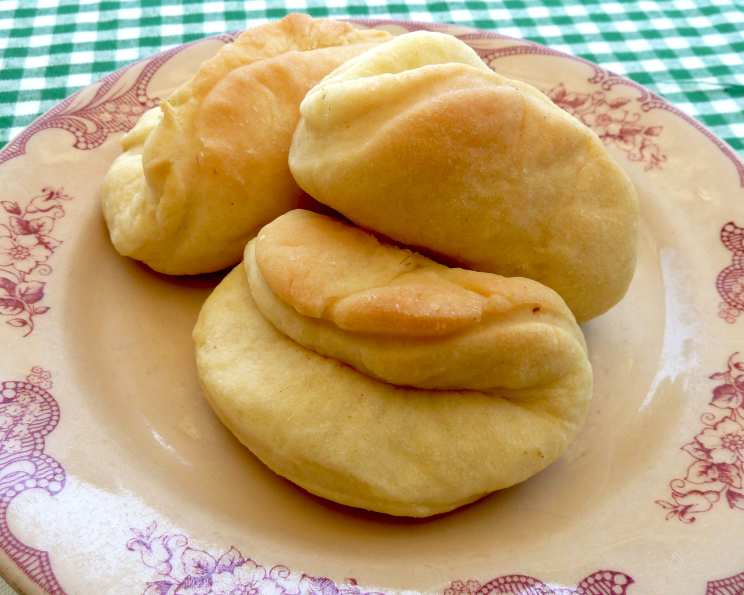
Grandma Martha’s Famous German Parker House Rolls
The scent of yeast, warm milk, and melted butter – it’s a symphony of aromas that instantly transports me back to my childhood. I remember my own grandmother, though not German, always had a batch of freshly baked rolls on the table, especially during the holidays. There was something so comforting about tearing into one of those soft, buttery pillows of dough, a feeling of home and love baked right in. Now, whenever I bake rolls, I feel like I’m continuing that tradition, sharing a piece of that warmth with my own family and friends. These German Parker House Rolls, with their delicate flavor and melt-in-your-mouth texture, evoke that same feeling of nostalgia and comfort.
Recipe Overview
- Prep Time: 30 minutes
- Cook Time: 20-25 minutes
- Total Time: 3 hours (includes rising time)
- Servings: 24
- Yield: 24 rolls
- Dietary Type: Vegetarian
Ingredients
- 1 cup whole milk
- 4 ½ teaspoons dry yeast
- ½ cup butter, melted
- ¼ – 1 teaspoon salt (adjust to your preference)
- ¼ cup sugar
- 2 eggs
- 4 ½ – 5 cups flour (all-purpose)
- More melted butter, for brushing
Equipment Needed
- Small saucepan
- Small bowl
- Large bowl
- Stand mixer (optional, but recommended)
- Measuring cups and spoons
- Greased bowl
- Floured surface
- Rolling pin
- 3″ round cookie cutter
- 2 greased 13×9″ baking pans
Instructions
- Begin by gently warming the milk in a small saucepan over low heat. You want it lukewarm, not scalding – about 100-110°F is ideal.
- In a small bowl, combine 1/3 of the warmed milk with the dry yeast. Let this mixture sit for about 15 minutes, or until it becomes bubbly and frothy. This step is crucial for activating the yeast and ensuring your rolls rise properly.
- In a large bowl, combine the remaining milk, melted butter, salt, and sugar. Beat the ingredients together until the sugar is fully dissolved. A stand mixer with a whisk attachment makes this process easier, but you can also use a hand mixer or a whisk and some elbow grease.
- Add the beaten eggs and the bubbly yeast mixture to the large bowl. Mix well to combine all the wet ingredients.
- Now, it’s time to add the flour. Add it gradually, about ¼ cup at a time, while beating the mixture on high speed using your stand mixer. This step should take at least 5 minutes. Be patient and allow the gluten to develop, which will give your rolls their soft, chewy texture.
- As the dough gets too stiff to beat with the mixer, stir in the rest of the flour by hand. You may need to adjust the amount of flour slightly depending on the humidity and the type of flour you’re using. The goal is to create a soft, slightly sticky dough.
- Turn the dough out onto a lightly floured surface and knead it for about 5 minutes, until it becomes smooth and satiny. Kneading develops the gluten further, resulting in a more elastic and airy dough.
- Place the dough in a greased bowl, turning it to coat the top. This prevents the dough from drying out while it rises.
- Cover the bowl with plastic wrap or a clean kitchen towel and let it rise in a warm place until it has doubled in size. This process usually takes about 1 hour, but the exact time will depend on the temperature of your kitchen.
- (Optional step for convenience): For a richer flavor and more complex texture, you can refrigerate the dough overnight. Before refrigerating, ensure the dough has not yet started rising. Cover the bowl tightly and place it in the refrigerator. The dough will rise slowly overnight. Let the dough stand, covered, at room temperature for 1 hour before proceeding with the recipe. This helps relax the gluten and makes the dough easier to handle.
- Once the dough has risen, punch it down to release the air.
- Roll the dough out on a floured surface to about ½” thickness.
- Cut out circles using a 3″ round cookie cutter.
- Brush each circle with melted butter. This step is key to creating the characteristic Parker House roll shape and buttery flavor.
- Fold each circle in half to create half-moons.
- Pinch the edge of each half-moon lightly to hold it together, preventing the rolls from unfolding as they rise and bake.
- Place the folded rolls in two greased 13×9″ baking pans, cover them, and let them rise again until doubled in size. This second rise is crucial for achieving light and fluffy rolls. This will take around 45 minutes, or longer (60-75 minutes) if the dough was refrigerated.
- Preheat your oven to 350 degrees F (175 degrees C).
- Bake the rolls for 20-25 minutes, or until they are golden brown. Keep a close eye on them, as baking times can vary depending on your oven.
- Remove the rolls from the pan immediately and brush them with more melted butter. Important note: Use fresh melted butter for this final brushing, not the butter you used when forming the rolls. This ensures the rolls have a rich, fresh buttery flavor.
Expert Tips & Tricks
- For an even richer flavor, use brown butter instead of regular melted butter. Brown the butter in a saucepan over medium heat, swirling constantly, until it turns a nutty brown color and has a rich aroma. Let it cool slightly before using.
- If your kitchen is cold, you can create a warm environment for the dough to rise by placing it in a slightly warmed oven. Turn the oven on to the lowest setting for a few minutes, then turn it off and place the dough inside.
- To prevent the rolls from drying out while they rise, you can place a damp towel over the bowl.
- For a more rustic look, you can skip the cookie cutter and simply cut the dough into squares or rectangles with a knife.
- If you want to add a little sweetness to the rolls, you can brush them with a simple syrup (equal parts sugar and water, heated until the sugar dissolves) after they come out of the oven.
Serving & Storage Suggestions
These German Parker House Rolls are delicious served warm with butter, jam, or honey. They are a perfect accompaniment to soups, stews, salads, or any main course. They are also great for making sandwiches or sliders.
Leftover rolls can be stored at room temperature in an airtight container for up to 2 days. For longer storage, you can refrigerate them for up to a week or freeze them for up to 3 months. To reheat, wrap the rolls in foil and warm them in a 350°F (175°C) oven for about 10-15 minutes, or until heated through. You can also microwave them for a few seconds, but be careful not to overcook them, as they can become dry.
Nutritional Information
| Nutrient | Amount per Serving | % Daily Value |
|---|---|---|
| Calories | 141.7 kcal | N/A |
| Calories from Fat | 43 kcal | N/A |
| Total Fat | 4.8 g | 7% |
| Saturated Fat | 2.8 g | 13% |
| Cholesterol | 28.8 mg | 9% |
| Sodium | 62.2 mg | 2% |
| Total Carbohydrate | 20.8 g | 6% |
| Dietary Fiber | 0.8 g | 3% |
| Sugars | 2.7 g | N/A |
| Protein | 3.6 g | 7% |
Variations & Substitutions
- For a dairy-free version, use non-dairy milk such as almond milk, soy milk, or oat milk instead of whole milk. You can also use a dairy-free butter substitute.
- For a gluten-free version, use a gluten-free all-purpose flour blend. Be sure to add a binder such as xanthan gum to help with the texture.
- Add herbs or spices to the dough for a flavored roll. Try adding rosemary, thyme, garlic powder, or onion powder.
- Top the rolls with seeds or spices before baking for added flavor and texture. Try sesame seeds, poppy seeds, or everything bagel seasoning.
- Make mini rolls by using a smaller cookie cutter. These are perfect for appetizers or snacks.
FAQs (Frequently Asked Questions)
Q: Can I make the dough ahead of time?
A: Yes, you can refrigerate the dough overnight after the first rise. This can even enhance the flavor. Just allow the dough to come to room temperature for about an hour before shaping and baking.
Q: What if my yeast doesn’t bubble?
A: If the yeast doesn’t bubble after 15 minutes, it might be expired or the milk might have been too hot, killing the yeast. Start again with fresh yeast and lukewarm milk.
Q: Can I freeze the baked rolls?
A: Absolutely. Let the rolls cool completely, then wrap them tightly in plastic wrap and foil before freezing. Reheat in a warm oven for the best results.
Q: Why are my rolls dense and not fluffy?
A: This could be due to several factors: not enough yeast, not letting the dough rise long enough, or adding too much flour. Make sure to use fresh yeast, allow ample rising time, and avoid over-measuring the flour.
Q: Can I use bread flour instead of all-purpose flour?
A: Bread flour will result in a chewier roll. It can be used, but the texture will differ slightly from the intended soft, pillowy texture of Parker House rolls.
Final Thoughts
Baking these German Parker House Rolls is more than just following a recipe; it’s about connecting with traditions and creating something truly special to share. The aroma that fills your kitchen as they bake, the soft, buttery texture, and the smiles they bring to those who enjoy them – it’s a rewarding experience. Don’t be intimidated by the steps; each one contributes to the final delicious result. I encourage you to try this recipe, experiment with your own variations, and share the joy of freshly baked rolls with your loved ones. These are wonderful on their own, but pair them with a hearty pot roast for an unforgettable meal. Enjoy!