
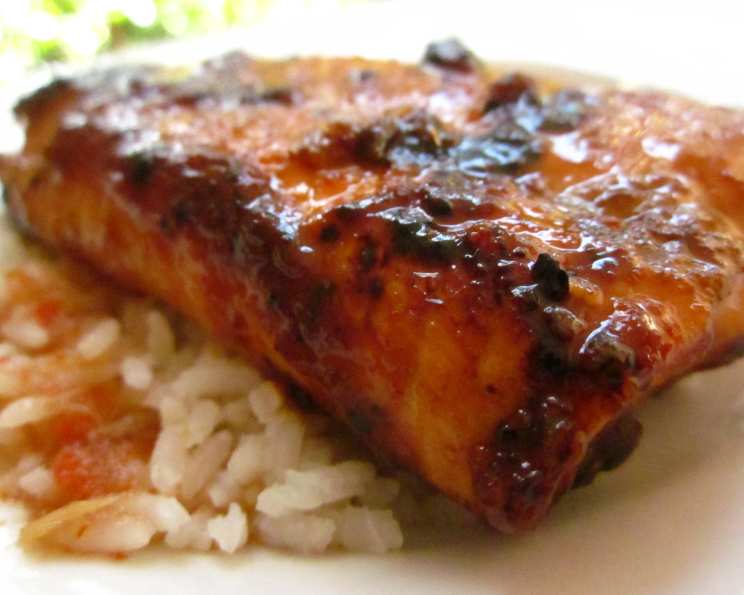
Ginger Lime Glazed Salmon: A Symphony of Flavors
I can still vividly recall the first time I tasted salmon prepared with a vibrant ginger-lime glaze. It was at a small seaside restaurant during a family vacation in Thailand. The salty air, the rhythmic crash of waves, and that perfectly balanced sweet, sour, and spicy glaze dancing on my tongue created a memory that has stayed with me for years. Recreating that experience at home became a personal mission, and this recipe is the culmination of my attempts to capture that magical combination of flavors.
Recipe Overview
- Prep Time: 15 minutes
- Cook Time: 10 minutes
- Total Time: 25 minutes
- Servings: 2
- Dietary Type: Gluten-Free
Ingredients
- 2 (4 ounce) skinless salmon fillets
- 2 1⁄2 tablespoons fresh ginger, peeled, minced and crushed
- 1 fresh Thai red chili pepper (or more to taste) or 1/2 jalapeno chile or 1/2 teaspoon cayenne pepper, chopped (or more to taste)
- 2 tablespoons garlic, peeled and minced
- 2 tablespoons sugar
- 2 tablespoons fresh lime juice
- 2 tablespoons asian fish sauce or 2 tablespoons asian oyster sauce
- 1 tablespoon asian chili-garlic sauce (Sriracha)
- 4 tablespoons water
- 1 1⁄2 tablespoons vegetable oil
- Salt to taste
Equipment Needed
- Mortar and pestle (or small food processor/blender)
- Non-stick skillet
- Paper towels
Instructions
- Begin by preparing the aromatic paste. Using a mortar and pestle, grind together the ginger, chili pepper (or jalapeno/cayenne), garlic, and sugar until you achieve a coarse paste. This method releases the essential oils, creating a more intense flavor profile. Alternatively, you can use a small food processor or blender, but be careful not to over-process.
- Transfer the aromatic paste to a bowl. Add the fish sauce (or oyster sauce), lime juice, Sriracha, and water. Mix thoroughly to combine all ingredients. Season to taste with salt. This sauce will be divided into two portions.
- Pat the salmon fillets dry with paper towels. This step is crucial for achieving a beautiful sear and ensuring the glaze adheres properly. Season the salmon generously with salt.
- Pour 4 tablespoons of the prepared sauce over the salmon fillets, turning to coat them evenly. Allow the salmon to rest in the sauce for a few minutes while you heat the pan. Reserve the remaining sauce for later. While a longer marinating time isn’t required, this brief coating helps the flavors penetrate the salmon.
- Heat the vegetable oil in a non-stick skillet over medium heat. Ensure the pan is hot before adding the salmon. A hot pan is essential for achieving that desirable caramelized glaze.
- Carefully place the salmon fillets into the hot skillet along with the 4 tablespoons of sauce they were coated in. It’s important to avoid overcrowding the pan; cook in batches if necessary. Do not add more sauce at this stage, as it will cause the salmon to steam instead of glaze.
- Cook the salmon over moderate heat, turning the fillets over so that both sides are cooked. Continuously scoop the glaze from the pan and spoon it over the top of the salmon as it cooks. This basting action helps to build layers of flavor and create a glossy, caramelized finish.
- Continue cooking the salmon until it is cooked through and the glaze has caramelized, coating the salmon beautifully. The internal temperature of the salmon should reach 145°F (63°C).
- Remove the salmon fillets from the skillet and immediately add the reserved sauce mixture to the hot pan. Simmer the sauce, stirring constantly, until it becomes golden and thick, reducing slightly. This concentrated sauce will be the final, luxurious touch.
- Pour the reduced, thickened sauce over the cooked salmon fillets.
- Serve immediately with white or jasmine rice to soak up the delicious sauce.
Expert Tips & Tricks
- Ginger Prep: For easier mincing and crushing of the ginger, peel it first and then use a microplane grater to create a fine paste before adding it to the mortar and pestle.
- Chili Heat: Adjust the amount of chili pepper to your preference. For a milder flavor, remove the seeds from the chili before chopping.
- Non-Stick is Key: Using a non-stick skillet is crucial for preventing the salmon from sticking and ensuring the glaze caramelizes properly without burning.
- Don’t Overcook: Salmon is best when cooked to medium, still slightly translucent in the center. Overcooked salmon will be dry and less flavorful.
- Sauce Consistency: If the reserved sauce is too thick, add a tablespoon of water at a time until it reaches the desired consistency.
- Flavor Boost: For an extra layer of flavor, add a teaspoon of sesame oil to the glaze.
Serving & Storage Suggestions
Serve the Ginger Lime Glazed Salmon immediately after cooking, while it is still warm and the glaze is glossy. Garnish with a sprinkle of chopped fresh cilantro or green onions for added freshness and visual appeal. It pairs beautifully with steamed white rice or jasmine rice, quinoa, or roasted vegetables like broccoli or asparagus.
Leftover Ginger Lime Glazed Salmon can be stored in an airtight container in the refrigerator for up to 2 days. Reheat gently in a skillet over low heat or in the microwave until heated through. Avoid overheating, as this can dry out the salmon. The sauce may thicken in the refrigerator, so you may need to add a splash of water when reheating. Do not leave the salmon at room temperature for more than 2 hours. Freezing is not recommended as it can affect the texture of the salmon.
Nutritional Information
| Nutrient | Amount per Serving | % Daily Value |
|---|---|---|
| Calories | 318.8 kcal | N/A |
| Calories from Fat | 138 g | 43% |
| Total Fat | 15.3 g | 23% |
| Saturated Fat | 2.3 g | 11% |
| Cholesterol | 51.6 mg | 17% |
| Sodium | 1503 mg | 62% |
| Total Carbohydrate | 20.6 g | 6% |
| Dietary Fiber | 0.7 g | 2% |
| Sugars | 14.9 g | 59% |
| Protein | 25.1 g | 50% |
Nutritional information is an estimate and may vary based on specific ingredients and cooking methods.
Variations & Substitutions
- Spice Level: Adjust the amount of chili pepper or Sriracha to control the heat level. For a milder flavor, use a sweet chili sauce instead of Sriracha.
- Sweetener: Substitute honey or maple syrup for the sugar.
- Fish Sauce Alternative: If you don’t have fish sauce or oyster sauce, use soy sauce or tamari (for a gluten-free option) with a pinch of salt and a dash of Worcestershire sauce for a similar umami flavor.
- Citrus: Try using lemon or orange juice instead of lime juice for a different citrusy twist.
- Herb Infusion: Add fresh herbs like cilantro, basil, or mint to the glaze for a more complex flavor profile.
FAQs (Frequently Asked Questions)
Q: Can I use frozen salmon for this recipe?
A: Yes, you can use frozen salmon. Just make sure to thaw it completely before cooking and pat it dry with paper towels to remove any excess moisture.
Q: How do I know when the salmon is cooked through?
A: The internal temperature of the salmon should reach 145°F (63°C). You can also check for doneness by flaking the salmon with a fork. If it flakes easily and is opaque throughout, it is cooked through.
Q: Can I make the glaze ahead of time?
A: Yes, you can prepare the glaze ahead of time and store it in an airtight container in the refrigerator for up to 2 days.
Q: What if I don’t have a mortar and pestle?
A: You can use a small food processor or blender to make the aromatic paste, but be careful not to over-process it. Alternatively, you can finely mince all the ingredients by hand.
Q: Can I bake the salmon instead of pan-frying?
A: Yes, you can bake the salmon. Preheat oven to 400°F (200°C). Place the salmon on a baking sheet lined with parchment paper, pour the glaze over it, and bake for 12-15 minutes, or until cooked through.
Final Thoughts
This Ginger Lime Glazed Salmon is more than just a recipe; it’s an invitation to experience a symphony of flavors that will transport you to exotic shores. Don’t be intimidated by the list of ingredients – each one plays a crucial role in creating a perfectly balanced and unforgettable dish. I encourage you to try this recipe and make it your own, adjusting the spices and flavors to your liking. I am confident that this recipe will become a new favorite in your repertoire. And if you have any suggestions or modifications, please feel free to share your feedback! Pair it with a crisp Sauvignon Blanc for a truly delightful culinary experience.