
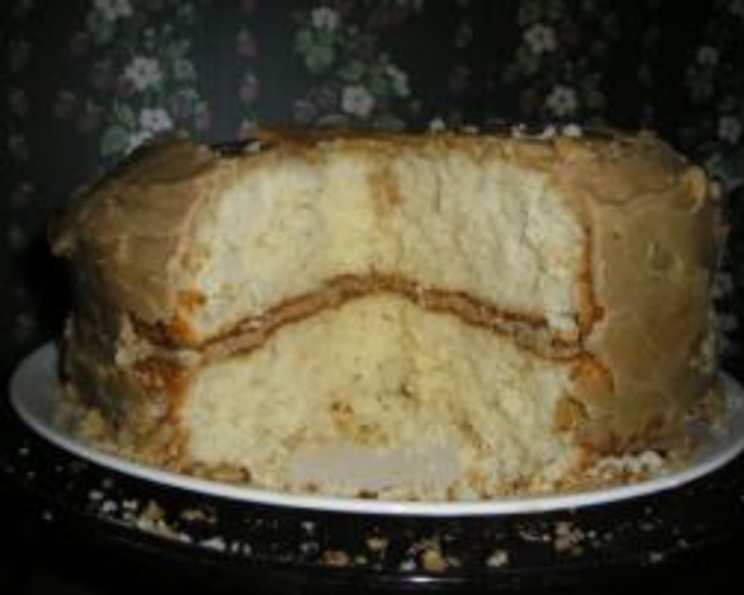
Grandma’s Caramel Frosting: A Taste of Nostalgia
My earliest memory of Grandma Betty’s kitchen isn’t the towering Christmas tree or the aroma of roasted turkey, but the intense, almost intoxicating smell of caramel simmering on the stovetop. She’d stand there, wooden spoon in hand, her brow furrowed in concentration as she watched the bubbling sugar transform into a rich, golden ambrosia. The best part? Knowing that soon, that caramel would be slathered on a perfectly golden yellow cake, creating a sweet symphony that always brought a smile. This recipe is more than just frosting; it’s a warm hug from Grandma, a taste of pure, unadulterated love.
Recipe Overview
- Prep Time: 5 minutes
- Cook Time: 2 minutes
- Total Time: 7 minutes
- Yield: Frosting for one 3-layer cake
- Dietary Type: Not specified (Contains dairy and is not gluten-free)
Ingredients
- 2 cups light brown sugar
- 6 tablespoons milk
- 1/2 cup (1 stick) margarine
- 1/2 teaspoon baking powder
- 1 teaspoon vanilla extract
Equipment Needed
- Medium saucepan
- Wooden spoon or heat-resistant spatula
- Electric mixer (optional, but recommended)
Instructions
-
In a medium saucepan, combine the light brown sugar, milk, and margarine.
-
Place the saucepan over medium-high heat and bring the mixture to a full boil. A “full boil” means that the mixture is actively bubbling and rising, even when stirred. Be careful not to let it boil over.
-
Once the mixture reaches a full boil, reduce the heat slightly to maintain the boil, and cook for exactly 2 minutes, stirring constantly to prevent scorching. Set a timer to ensure accuracy!
-
Remove the saucepan from the heat. Immediately add the baking powder and vanilla extract.
-
Using a wooden spoon or heat-resistant spatula, stir vigorously until the baking powder is fully incorporated and the mixture begins to foam. The baking powder is essential for creating the light, airy texture that distinguishes this frosting.
-
Now, it’s time to beat the frosting. You can use a wooden spoon for this, but an electric mixer (handheld or stand mixer) will make the job much easier and result in a smoother, more consistent frosting. Beat the frosting until it thickens to a spreadable consistency. This may take several minutes, depending on your mixer and the temperature of the frosting. Watch it carefully; you want it thick enough to coat the cake without running off.
-
Immediately spread the frosting over your cooled cake. The frosting will continue to thicken as it cools, so it’s best to frost the cake while it’s still slightly warm and easily spreadable.
Expert Tips & Tricks
-
The Importance of Timing: Cooking the caramel for precisely 2 minutes is crucial. Under-cooking will result in a thin, runny frosting, while over-cooking will make it too thick and hard to spread.
-
Preventing Graininess: Graininess can occur if the sugar doesn’t fully dissolve. Stir constantly during the boiling process to ensure even heating and dissolution.
-
Margarine vs. Butter: While the recipe calls for margarine, you can substitute butter for a richer flavor. However, be aware that butter may affect the frosting’s texture slightly.
-
Adjusting Thickness: If your frosting is too thick, add a teaspoon of milk at a time until you reach the desired consistency. If it’s too thin, continue beating it or let it sit for a few minutes to thicken slightly.
-
Color Matters: A deep, rich brown sugar will yield a darker, more intensely flavored frosting. A lighter brown sugar will result in a milder, sweeter flavor.
-
Altitude Adjustments: At higher altitudes, liquids boil at lower temperatures. Consider slightly increasing the cooking time by 30 seconds to 1 minute to ensure the caramel reaches the correct consistency.
-
Don’t Walk Away: Once the caramel starts boiling, do not leave the stove unattended. This frosting requires constant attention to prevent burning and ensure even cooking.
Serving & Storage Suggestions
This caramel frosting is best served immediately after frosting your cake. The frosting has the perfect texture and is ready to be enjoyed!
-
Room Temperature: Frosted cakes can be stored at room temperature for up to 2 days, provided the temperature is not excessively hot. Cover the cake loosely to prevent it from drying out.
-
Refrigerator: For longer storage, frosted cakes can be refrigerated for up to 5 days. Wrap the cake tightly in plastic wrap or store it in an airtight container to prevent it from absorbing other odors.
-
Freezer: Frosted cakes can be frozen for up to 2 months. Wrap the cake tightly in plastic wrap and then in a layer of aluminum foil. To thaw, transfer the cake to the refrigerator overnight or let it sit at room temperature for a few hours.
Nutritional Information
Please note that these values are estimates and may vary based on specific ingredient brands and quantities used.
| Nutrient | Amount per Serving | % Daily Value |
|---|---|---|
| Calories | 450 kcal | 23% |
| Total Fat | 20g | 31% |
| Saturated Fat | 5g | 25% |
| Cholesterol | 0mg | 0% |
| Sodium | 100mg | 4% |
| Total Carbohydrate | 65g | 22% |
| Dietary Fiber | 0g | 0% |
| Sugars | 55g | N/A |
| Protein | 1g | 2% |
Variations & Substitutions
-
Salted Caramel Frosting: Add a pinch of sea salt to the frosting after removing it from the heat for a delicious salted caramel twist.
-
Maple Caramel Frosting: Substitute 2 tablespoons of maple syrup for 2 tablespoons of milk for a hint of maple flavor.
-
Espresso Caramel Frosting: Add 1 teaspoon of instant espresso powder to the frosting after removing it from the heat for a coffee-infused delight.
-
Nutty Caramel Frosting: Stir in 1/2 cup of chopped toasted pecans or walnuts after beating the frosting for added texture and flavor.
-
Dairy-Free Option: While traditionally made with milk and margarine, experiment with plant-based milk alternatives and vegan butter substitutes. Be aware that the texture and flavor may be slightly different.
FAQs (Frequently Asked Questions)
Q: Why is my caramel frosting grainy?
A: Graininess is usually caused by sugar crystals that haven’t fully dissolved. Ensure you stir constantly while the mixture is boiling.
Q: My frosting is too thin. How can I thicken it?
A: Continue beating the frosting for a few more minutes, or let it sit at room temperature for a short while. The frosting will thicken as it cools.
Q: Can I make this frosting ahead of time?
A: It’s best to make this frosting right before you need it, as it can become difficult to spread as it cools. However, you can reheat it gently over low heat, stirring constantly, to soften it.
Q: Can I use a different type of sugar?
A: Light brown sugar is recommended for its flavor and moisture content. Using granulated sugar may result in a different texture and flavor.
Q: Can I double the recipe?
A: Yes, you can double the recipe, but be sure to use a larger saucepan to prevent boil-overs. You may also need to increase the cooking time slightly.
Final Thoughts
There’s something undeniably comforting about a simple caramel frosting. It’s a classic for a reason, and this recipe, passed down from my Grandma, is a testament to its enduring appeal. Whether you’re frosting a simple yellow cake or something more elaborate, I encourage you to give this recipe a try. Let the aroma of caramel fill your kitchen, and let the sweet, nostalgic flavor transport you back to cherished memories. And don’t forget to share your creations—and your own stories—with those you love. After all, the best recipes are the ones that are shared and savored together.