
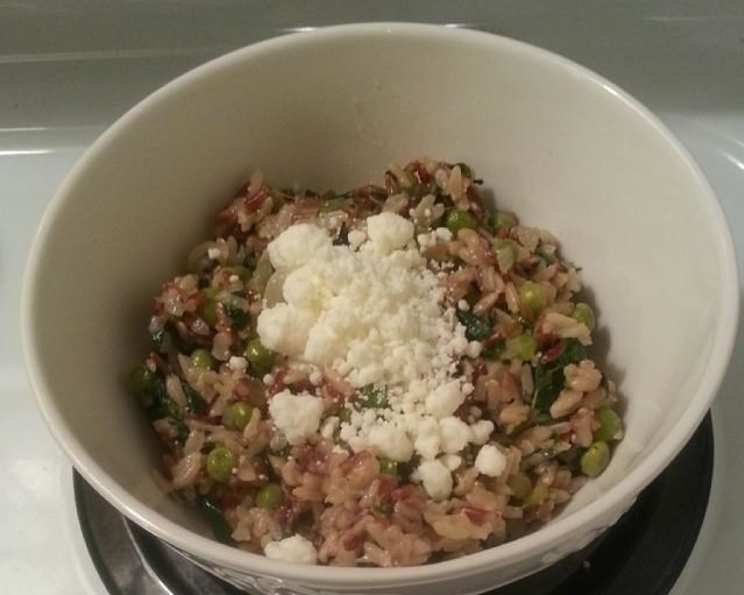
Greek Rice Pilaf: A Taste of the Mediterranean Sunshine
The first time I tasted a dish even remotely similar to this Greek Rice Pilaf, I was backpacking through the Greek islands. It wasn’t in a fancy restaurant, but rather a small taverna tucked away on a quiet street in Mykonos. The aroma of fresh dill and lemon hung heavy in the air, mingling with the salty breeze from the Aegean Sea. The simplicity of the dish, the vibrant flavors of the herbs, and the creamy feta crumbles created an experience that transported me – a moment of pure culinary bliss that I’ve strived to recreate ever since.
Recipe Overview
- Prep Time: 15 minutes
- Cook Time: 10 minutes
- Total Time: 25 minutes
- Servings: 4
- Dietary Type: Vegetarian
Ingredients
- 1 large onion, chopped (about 1 1/2 cups)
- 2 tablespoons olive oil
- 1-2 garlic cloves, minced
- 1 tablespoon dried mint
- 1/8 teaspoon ground black pepper
- 4 cups fresh spinach, chopped
- 3 tablespoons fresh lemon juice
- 4 cups cooked rice (long-grain or basmati work well)
- 1 cup green peas, fresh or frozen
- 2 tablespoons fresh dill, chopped
- 1 cup feta cheese, crumbled
Equipment Needed
- Large, heavy skillet
- Measuring cups and spoons
- Cutting board
- Knife
Instructions
-
Begin by preparing your ingredients. Chop the onion into small pieces, mince the garlic, and chop the fresh spinach. If using frozen peas, have them ready to go.
-
In a large, heavy skillet, heat the olive oil over medium heat. The heavy skillet will ensure even heat distribution, preventing hot spots and scorching.
-
Add the chopped onion to the skillet and saute until it begins to soften and becomes translucent. This should take about 5-7 minutes. Stir occasionally to prevent burning.
-
Once the onion is softened, add the minced garlic, dried mint, and ground black pepper to the skillet. Continue to saute for an additional 2 minutes, stirring constantly, allowing the garlic and mint to release their fragrant oils. Be careful not to burn the garlic, as it can become bitter.
-
Add the chopped fresh spinach, fresh lemon juice, cooked rice, and green peas to the skillet. Stir well to combine all the ingredients.
-
Add the fresh dill.
-
Cover the skillet and cook for 3-4 minutes, stirring occasionally. This allows the spinach to wilt and the rice to heat through evenly.
-
Continue cooking until the spinach is limp and the rice is heated through, about 2-3 minutes more.
-
Remove from heat. Sprinkle the crumbled feta cheese over the top of the pilaf.
-
Serve immediately, allowing the feta cheese to melt slightly into the warm rice.
Expert Tips & Tricks
- For an extra burst of flavor, try toasting the rice in the skillet for a few minutes before adding the other ingredients. This will give the rice a nutty flavor.
- If you don’t have fresh spinach on hand, you can use frozen spinach. Be sure to thaw and squeeze out any excess water before adding it to the skillet.
- To make this dish vegan, simply omit the feta cheese or substitute with a vegan feta alternative.
- If the pilaf seems dry, add a splash of vegetable broth or water to moisten it.
- Fresh herbs are essential for the best flavor. If you don’t have fresh dill, you can use dried dill, but use half the amount, as dried herbs are more potent.
- Make ahead tip: You can cook the rice a day in advance to save time. You can also chop the onion and spinach ahead of time. Store everything in the refrigerator separately, and then proceed as directed when you are ready to cook.
Serving & Storage Suggestions
This Greek Rice Pilaf is delicious served hot, immediately after cooking. It can be the star of the meal or served as a vibrant side dish. Pair it with grilled chicken, fish, or lamb for a complete Mediterranean-inspired feast. It also complements a simple Greek salad beautifully.
To store leftovers, allow the pilaf to cool completely before transferring it to an airtight container. It will keep in the refrigerator for up to 3 days. To reheat, microwave until heated through or warm gently in a skillet over low heat, adding a splash of water or broth if needed to prevent drying out. Freezing this dish is not recommended, as the texture of the rice and spinach may change upon thawing.
Nutritional Information
| Nutrient | Amount per Serving | % Daily Value |
|---|---|---|
| Calories | 456.7 kcal | N/A |
| Calories from Fat | 139 g | 31% |
| Total Fat | 15.5 g | 23% |
| Saturated Fat | 6.7 g | 33% |
| Cholesterol | 33.4 mg | 11% |
| Sodium | 447.4 mg | 18% |
| Total Carbohydrate | 65.8 g | 21% |
| Dietary Fiber | 3.9 g | 15% |
| Sugars | 5.6 g | N/A |
| Protein | 13.2 g | 26% |
Note: Nutritional information is an estimate and may vary based on specific ingredients and portion sizes.
Variations & Substitutions
- Lemon Herb Boost: Add zest of one lemon for an intensified citrus aroma. Consider a sprig of fresh oregano or thyme along with the dill and mint.
- Mediterranean Veggie Medley: Sauté diced bell peppers (red, yellow, or orange), zucchini, or eggplant along with the onion for added texture and nutrients.
- Protein Power-Up: Stir in chickpeas or white beans for a boost of plant-based protein. Grilled shrimp or chicken are also excellent additions.
- Spice it up: Add a pinch of red pepper flakes for a little heat.
- Cheese alternatives: Replace feta with goat cheese for a tangy twist. For a vegan option, use crumbled tofu seasoned with nutritional yeast and lemon juice.
FAQs (Frequently Asked Questions)
Q: Can I use brown rice instead of white rice?
A: Yes, you can absolutely use brown rice! Just be sure to adjust the cooking time accordingly, as brown rice typically takes longer to cook. Ensure the rice is fully cooked before adding the other ingredients.
Q: Can I make this pilaf ahead of time?
A: Yes, you can make the pilaf ahead of time. It’s best to store it in the refrigerator and reheat it when you’re ready to serve. The flavors actually meld together even more when it sits for a while!
Q: What if I don’t have fresh dill?
A: If you don’t have fresh dill, you can use dried dill. However, keep in mind that dried herbs are more potent than fresh herbs, so you’ll want to use about half the amount.
Q: Can I use frozen peas instead of fresh peas?
A: Absolutely! Frozen peas work perfectly fine in this recipe. There’s no need to thaw them beforehand – just add them to the skillet along with the spinach.
Q: What’s the best way to keep the feta cheese from melting too much?
A: Sprinkle the feta cheese over the top of the pilaf just before serving. This will allow the cheese to warm up slightly without melting completely, preserving its crumbly texture.
Final Thoughts
This Greek Rice Pilaf is more than just a recipe; it’s a journey back to sun-drenched shores, the scent of herbs in the air, and the warmth of Mediterranean hospitality. It’s a versatile dish, adaptable to your own tastes and available ingredients. So, gather your ingredients, embrace the simplicity, and create your own little piece of Greek sunshine in your kitchen. I encourage you to experiment, share your creations, and let me know what variations you come up with. Kali Orexi! (Good Appetite!)