
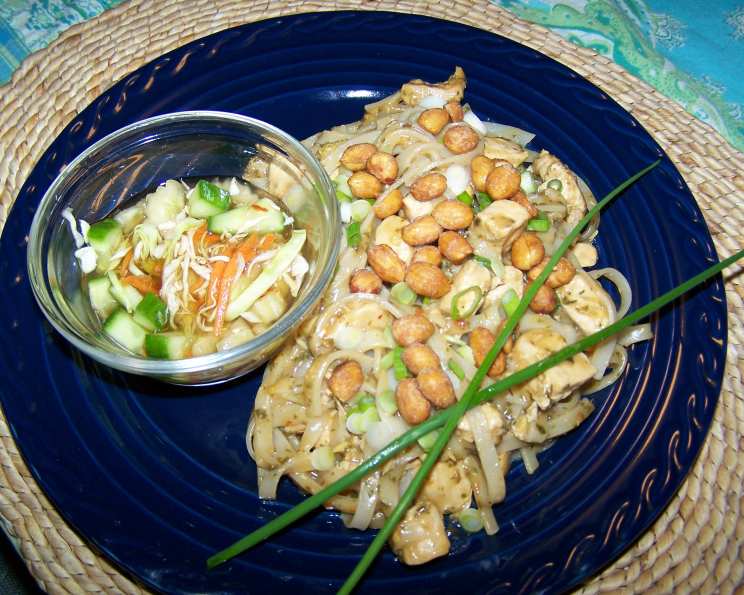
Kung Pao Noodles and Chicken: A Flavorful Fusion
There’s something magical about the sizzle of chicken hitting a hot wok, the aromatic dance of spices, and the satisfying slurp of perfectly coated noodles. My earliest memory of Kung Pao anything wasn’t the traditional chicken and peanuts, but a surprisingly delicious Kung Pao tofu my college roommate, a vegetarian from Sichuan, used to make. The vibrant flavors—the heat, the sweet, the savory—were a revelation, and I’ve been experimenting with variations ever since. This Kung Pao Noodles and Chicken recipe is a fast and flavorful weeknight meal that brings those beloved flavors to your table.
Recipe Overview
- Prep Time: 10 minutes
- Cook Time: 20 minutes
- Total Time: 30 minutes
- Servings: 4
- Dietary Type: Adaptable (see Variations)
Ingredients
- 2 cups fine egg noodles
- 1 tablespoon oil
- 1 1/4 lbs boneless, skinless chicken breasts, cut into 1-inch pieces
- 1 (3/4 ounce) envelope Asian seasoning mix (for Kung Pao chicken)
- 3/4 cup water
- 1 tablespoon sugar
- 1 tablespoon soy sauce
- 6 medium green onions, cut into 1-inch pieces
- 1/2 cup dry roasted peanuts
- Crushed red pepper flakes, to taste
Equipment Needed
- Large pot
- Colander
- 12-inch nonstick skillet
Instructions
-
Begin by cooking the egg noodles according to the package directions. Once cooked, drain the noodles thoroughly in a colander and set aside to keep warm. A light toss with a teaspoon of oil will prevent them from sticking.
-
Heat the oil in a 12-inch nonstick skillet over medium-high heat. Ensure the skillet is hot before adding the chicken. A hot pan will help the chicken to brown properly and prevent it from steaming.
-
Add the chicken pieces to the hot skillet. Cook for 4 to 5 minutes, stirring occasionally, until the chicken is no longer pink in the center. It’s crucial to cook the chicken thoroughly for food safety. Use a meat thermometer to ensure the internal temperature reaches 165°F (74°C).
-
Stir in the dry seasoning mix, water, sugar, and soy sauce. Ensure the seasoning mix is well-incorporated to avoid clumps. The sugar helps to balance the savory elements, while the soy sauce provides umami.
-
Bring the mixture to a boil. Then, boil for 30 seconds to 1 minute, stirring constantly, until the sauce has thickened slightly. Keep stirring constantly to avoid the sauce from scorching. The thickening process is essential for the sauce to cling to the noodles.
-
Add the cooked noodles to the skillet and toss to coat them evenly with the Kung Pao sauce. Ensure that all of the noodles are coated in the sauce for optimal flavor.
-
Before serving, sprinkle with the green onions, peanuts, and crushed red pepper flakes to taste. The green onions add a fresh, pungent flavor, the peanuts contribute a delightful crunch, and the crushed red pepper flakes provide a customizable level of heat.
Expert Tips & Tricks
- Chicken Prep: Cut the chicken into uniform pieces for even cooking. Pound thicker pieces to the same thickness as thinner pieces.
- Noodle Perfection: Avoid overcooking the noodles, as they will become mushy. Cook them al dente (slightly firm to the bite).
- Spice Level: Control the heat by adding the crushed red pepper flakes gradually. Taste as you go. If you’re sensitive to spice, start with a small pinch.
- Sauce Consistency: If the sauce is too thin, continue boiling it for a bit longer, stirring continuously, until it reaches the desired thickness. If it becomes too thick, add a tablespoon or two of water.
- Make-Ahead Tip: You can prepare the sauce ahead of time and store it in the refrigerator for up to 2 days. When ready to serve, simply heat the sauce and add the chicken and noodles.
- Peanut Power: Toast the peanuts lightly in a dry pan for a richer flavor.
Serving & Storage Suggestions
Serve the Kung Pao Noodles and Chicken immediately after cooking for the best flavor and texture. Garnish with extra green onions, peanuts, and crushed red pepper flakes for an appealing presentation.
Leftovers can be stored in an airtight container in the refrigerator for up to 3 days. Reheat in a skillet over medium heat, adding a splash of water or broth if needed to prevent the noodles from drying out. Avoid reheating in the microwave, as the noodles can become rubbery. This dish is not ideal for freezing, as the noodles may lose their texture.
Nutritional Information
| Nutrient | Amount per Serving | % Daily Value |
|---|---|---|
| Calories | 447 kcal | N/A |
| Calories from Fat | 181 g | 41% |
| Total Fat | 20.1 g | 30% |
| Saturated Fat | 3.1 g | 15% |
| Cholesterol | 98.2 mg | 32% |
| Sodium | 582.5 mg | 24% |
| Total Carbohydrate | 24.7 g | 8% |
| Dietary Fiber | 3.5 g | 14% |
| Sugars | 5.3 g | N/A |
| Protein | 43 g | 86% |
Note: Nutritional information is an estimate and may vary based on specific ingredients and portion sizes.
Variations & Substitutions
- Gluten-Free: Substitute the egg noodles with gluten-free rice noodles or soba noodles. Be sure to use gluten-free soy sauce (tamari).
- Vegetarian/Vegan: Replace the chicken with firm or extra-firm tofu, which has been pressed to remove excess water. For a vegan version, ensure the Asian seasoning mix is vegan-friendly, and consider using agave or maple syrup instead of sugar.
- Seafood: Substitute the chicken with shrimp or scallops for a different protein. Adjust cooking time accordingly.
- Spicier: For extra heat, add a teaspoon of Sichuan peppercorns to the oil while heating.
- Vegetable Boost: Add sliced bell peppers, carrots, or snap peas for added nutrients and texture.
- Nut-Free: Omit the peanuts or substitute them with toasted sesame seeds.
- Sauce Alternative: For a bolder flavor, substitute 3/4 cup Szechuan sauce for the water, sugar, and soy sauce. Be mindful of the heat level when using Szechuan sauce.
FAQs (Frequently Asked Questions)
Q: Can I use different types of noodles?
A: Absolutely! While fine egg noodles are recommended, you can use other noodles like udon, ramen, or even spaghetti. Just adjust the cooking time as needed.
Q: How can I make this dish spicier?
A: Besides using crushed red pepper flakes, you can add a dash of chili oil or a finely chopped chili pepper to the skillet while cooking the chicken.
Q: Can I use chicken thighs instead of chicken breasts?
A: Yes, chicken thighs work well too. They are more flavorful and tend to stay moist during cooking.
Q: What if I don’t have Asian seasoning mix?
A: You can create your own mix using a combination of garlic powder, ginger powder, onion powder, paprika, and a pinch of cayenne pepper.
Q: How do I prevent the noodles from sticking together after cooking?
A: Toss the cooked and drained noodles with a teaspoon of oil. This will help to prevent them from clumping. Also, ensure that they are coated well with the sauce.
Final Thoughts
Kung Pao Noodles and Chicken is more than just a recipe; it’s an invitation to experiment with flavors and textures. I encourage you to try this recipe, adapt it to your liking, and share your creations with friends and family. Don’t be afraid to adjust the spice level, add your favorite vegetables, or try different protein options. And if you’re feeling adventurous, pair this dish with a crisp, cold beer or a glass of dry Riesling for a truly memorable meal. Happy cooking!