
Green Olive Sauce: A Culinary Chameleon
The memory is as vivid as the bright green hue of the olives themselves: Sunday dinners at my grandmother’s. While her red sauce was legendary, it was her unconventional green olive sauce that truly captured my imagination. It wasn’t just the taste – a symphony of savory, salty, and slightly tangy notes – but the sheer audacity of it. Green olives, not relegated to a supporting role in martinis, but the star of the show, spooned generously over pasta or baked fish. It was bold, unexpected, and utterly delicious, a testament to her adventurous spirit in the kitchen.
Recipe Overview
- Prep Time: 15 minutes
- Cook Time: 15 minutes
- Total Time: 30 minutes
- Servings: Variable, about 2 cups of sauce
- Yield: About 2 cups
- Dietary Type: Vegetarian (can be made vegan – see variations)
Ingredients
- 3 large garlic cloves, minced
- 1 large yellow onion, very finely chopped
- 1 tablespoon extra-virgin olive oil
- scant 3/4 cup vegetable broth
- 1⁄3 cup heavy cream
- 1 2⁄3 cups green olives, pitted and finely chopped (I like the kind with pimentos, but any will do)
- Fresh lemon juice, to taste
- Black pepper, to taste
- Red pepper flakes, to taste (optional)
Equipment Needed
- Large skillet
- Cutting board
- Knife
- Measuring cups and spoons
- Blender or immersion blender (optional)
Instructions
- Begin by preparing your aromatics. Mince the garlic cloves and finely chop the yellow onion. The finer the chop on the onion, the better it will melt into the sauce.
- Heat the extra-virgin olive oil in a large skillet over medium-high heat. Once the oil is shimmering, add the minced garlic and finely chopped onion. Sauté until the onion is softened and translucent, about 3-5 minutes. Be careful not to burn the garlic; if it starts to brown too quickly, reduce the heat.
- Pour in the vegetable broth and heavy cream. Stir to combine, scraping up any browned bits from the bottom of the skillet. Bring the mixture to a simmer, then reduce the heat to medium-low and let it gently simmer for about 5 minutes, allowing the sauce to slightly reduce and thicken.
- Remove the skillet from the heat. Add the finely chopped green olives to the sauce. Stir well to incorporate the olives, distributing them evenly throughout.
- Let the sauce cool for a couple of minutes. This allows the flavors to meld and the sauce to thicken slightly more.
- Taste the sauce and adjust the seasoning to your preference. Add a squeeze of fresh lemon juice for brightness and tang. Season with black pepper to taste. If you like a little heat, add a pinch of red pepper flakes.
- At this stage, you can choose to leave the sauce as is, with a slightly chunky texture, or you can blend it for a smoother consistency. If you prefer a smoother sauce, use a regular blender or an immersion blender to puree the sauce to your desired consistency. Be cautious when blending hot liquids.
Expert Tips & Tricks
- Olive Selection: The type of green olive you use will significantly impact the flavor of the sauce. Castelvetrano olives will lend a buttery, mild flavor, while Manzanilla olives will offer a saltier, more briny taste. Experiment to find your favorite!
- Onion Prep: To avoid overly strong onion flavor, sweat the onions over very low heat with a pinch of salt until they are extremely soft and translucent before adding the garlic. This gentle cooking coaxes out their sweetness.
- Blending Considerations: If blending, do so in batches or use an immersion blender to prevent pressure buildup and potential splattering of hot sauce.
- Make Ahead: This sauce can be made a day or two in advance. The flavors actually deepen and meld as it sits. Just store it in an airtight container in the refrigerator.
Serving & Storage Suggestions
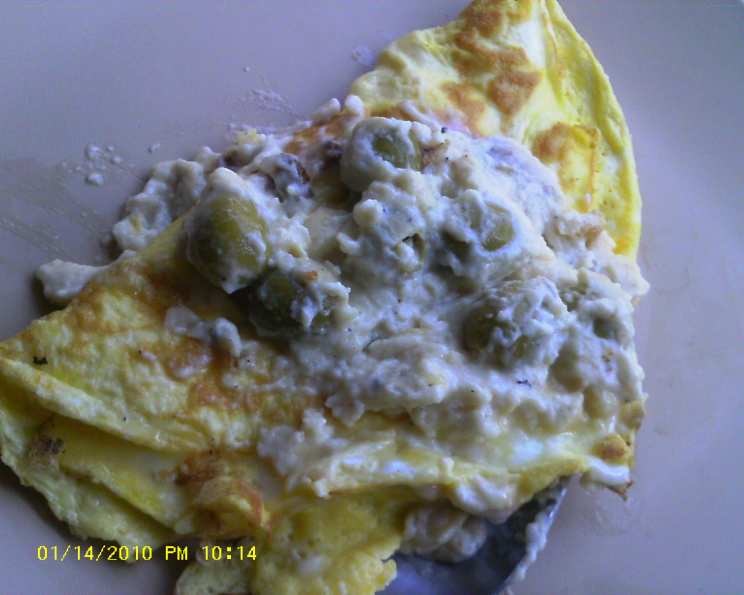
This green olive sauce is incredibly versatile. Serve it warm over your favorite pasta shape (it’s particularly good with toasted gnocchi, as suggested in the original recipe). It’s also fantastic spooned over grilled or baked fish, adding a burst of flavor and moisture. For a delightful brunch option, try swirling it into an omelet. You can also use it as a flavorful topping for bruschetta or crostini.
Leftover sauce can be stored in an airtight container in the refrigerator for up to 3-4 days. To reheat, gently warm it in a saucepan over low heat, stirring occasionally. You may need to add a splash of water or vegetable broth to thin it out if it has thickened too much. While freezing is possible, the texture of the sauce might change slightly upon thawing.
Nutritional Information
Note: Nutritional information is an estimate and can vary based on specific ingredients and portion sizes.
| Nutrient | Amount per Serving | % Daily Value |
|---|---|---|
| Calories | 250 kcal | 13% |
| Total Fat | 20g | 31% |
| Saturated Fat | 8g | 40% |
| Cholesterol | 30mg | 10% |
| Sodium | 800mg | 35% |
| Total Carbohydrate | 8g | 3% |
| Dietary Fiber | 2g | 7% |
| Sugars | 2g | N/A |
| Protein | 2g | 4% |
Variations & Substitutions
- Vegan Version: Replace the heavy cream with a plant-based alternative such as cashew cream or coconut cream for a dairy-free and vegan option. Be sure to select a vegetable broth that is vegan as well.
- Spicy Kick: Add a pinch of cayenne pepper or a finely chopped chili pepper to the sauce while sautéing the garlic and onion for an extra kick of heat.
- Herbaceous Touch: Stir in some fresh herbs, such as chopped parsley, basil, or oregano, at the end of cooking for added freshness and flavor.
- Wine Infusion: Add a splash of dry white wine to the skillet after sautéing the garlic and onion for a more complex flavor profile. Let the wine reduce slightly before adding the vegetable broth and cream.
- Lemon Zest: Grate a bit of lemon zest into the sauce along with the lemon juice to amplify the citrusy notes.
FAQs (Frequently Asked Questions)
Q: Can I use a different type of olive?
A: Absolutely! While green olives are traditional, you can experiment with other types, such as Kalamata olives, for a different flavor profile. Just be mindful of their salt content, as they may require adjusting the seasoning accordingly.
Q: Is it necessary to blend the sauce?
A: No, blending is optional. If you prefer a chunkier texture, you can leave the sauce as is. Blending simply creates a smoother, more sauce-like consistency.
Q: Can I make this sauce ahead of time?
A: Yes, this sauce can be made a day or two in advance and stored in the refrigerator. The flavors actually develop and deepen over time.
Q: What can I serve with this sauce?
A: This sauce is incredibly versatile and can be served with pasta, fish, omelets, bruschetta, or even as a dip for vegetables.
Q: How long does this sauce last?
A: Leftover sauce can be stored in an airtight container in the refrigerator for up to 3-4 days.
Final Thoughts
This Green Olive Sauce is more than just a recipe; it’s an invitation to embrace the unexpected and explore the world of flavor with confidence. Don’t be afraid to experiment with different types of olives, herbs, and spices to create your own unique version. Whether you’re a seasoned chef or a kitchen novice, I encourage you to give this recipe a try. Share your creations with friends and family, and let them experience the delightful surprise of this savory and unforgettable sauce. Bon appétit!