
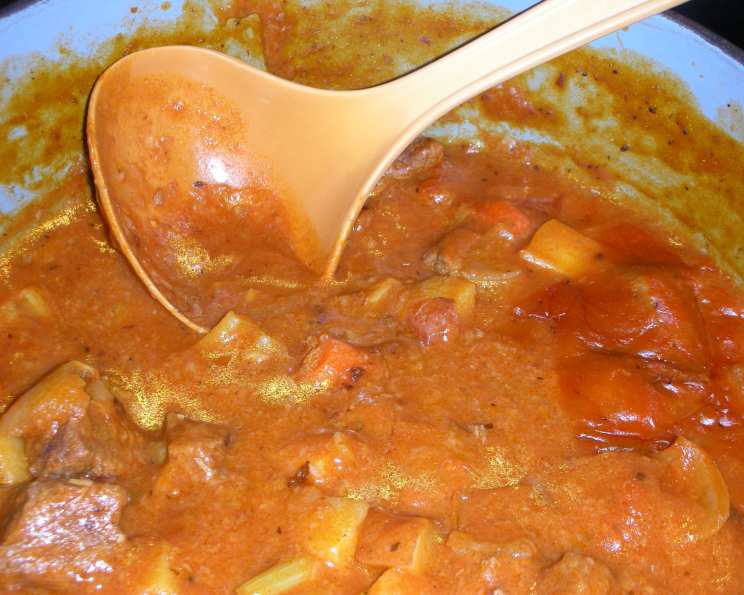
The Best Beef Stew – Sam Choy’s Hearty Classic
There’s something deeply comforting about a steaming bowl of beef stew, especially on a chilly evening. I remember one particularly blustery winter in culinary school when I was feeling homesick and overwhelmed. A classmate, sensing my mood, shared a thermos of her grandmother’s beef stew. The rich, savory aroma alone was enough to lift my spirits, and the first bite was like a warm hug from home. It was the simplicity and heartiness of the dish that resonated with me, a reminder that sometimes the most profound culinary experiences are found in the most humble creations.
Recipe Overview
- Prep Time: 20 minutes
- Cook Time: 1 hour 25 minutes
- Total Time: 1 hour 45 minutes
- Servings: 6
- Yield: 6-8 servings
- Dietary Type: Not Gluten-Free
Ingredients
- 4 lbs chuck roast, cut into bite-sized pieces
- ½ cup salad oil
- 2 garlic cloves, crushed
- 1 small onion, minced
- ½ cup celery leaves, chopped
- 5 cups beef stock
- 2 cups chicken broth
- 1 ½ cups tomato paste
- 3 medium carrots, chunked
- 4 potatoes, chunked
- 2 medium onions, chunked
- 4 stalks celery, chunked
- 1 cup flour, for dusting (approximately)
- Salt and pepper, to taste
- Mochiko sweet rice flour
- Water
Equipment Needed
- Large Dutch oven or heavy-bottomed pot
- Cutting board
- Knife
- Measuring cups and spoons
Instructions
- Begin by preparing the beef. Pat the chuck roast pieces dry with paper towels. Season generously with salt and pepper. Dredge each piece of beef in the flour, ensuring it’s lightly coated. This helps to create a beautiful crust when searing and will also thicken the stew.
- Heat the salad oil in a large Dutch oven or heavy-bottomed pot over medium heat. Once the oil is shimmering, carefully add the floured beef in batches, ensuring not to overcrowd the pot. Overcrowding will lower the temperature of the oil and cause the beef to steam rather than brown.
- Brown the meat on all sides with the crushed garlic, minced onion, and celery leaves for about 10 minutes on medium or low-medium heat, until well browned. Keep stirring to avoid burning the garlic and onion. The browned bits on the bottom of the pot, called fond, are flavor gold, so don’t let them burn!
- Drain the excess oil from the pot. This helps prevent the stew from becoming too greasy.
- Pour in the beef stock and chicken broth. Add the tomato paste and stir well to combine, scraping up any browned bits from the bottom of the pot. These browned bits will add a depth of flavor to the stew.
- Bring the mixture to a boil, then reduce the heat to low, cover the pot, and simmer for about 1 hour, or until the beef is tender. Check the beef periodically; it should be easily pierced with a fork.
- Add the chunked carrots and potatoes and cook for 5 minutes. The time is staggered for the vegetables so they cook evenly and don’t become mushy.
- Add the chunked onions and celery and cook for 10 minutes more, or until the vegetables are tender but still slightly firm.
- Adjust the seasonings with salt and pepper to your liking. Taste frequently and don’t be afraid to add more seasoning as needed.
- To thicken the stew, if desired, mix some mochiko sweet rice flour with water (about 2 tablespoons each) to form a slurry. Slowly whisk the slurry into the stew while it’s simmering. Continue simmering for a few minutes until the stew reaches your desired consistency.
Expert Tips & Tricks
- For even more depth of flavor, brown the chuck roast in rendered bacon fat instead of salad oil. The smoky flavor will add a delicious complexity.
- If you’re short on time, you can use a pressure cooker to significantly reduce the cooking time. Follow the same steps for browning the beef and vegetables, then add the liquids and pressure cook for about 30-40 minutes, followed by a natural pressure release.
- Don’t be afraid to experiment with other vegetables! Parsnips, turnips, or even a handful of frozen peas can add a unique twist to your stew.
- A bay leaf or two added during the simmering process can impart a subtle, aromatic flavor. Remember to remove them before serving.
- For a richer, more decadent stew, stir in a tablespoon of Worcestershire sauce or balsamic vinegar towards the end of cooking.
- If your stew is too thin, you can also thicken it by mashing a few of the cooked potatoes and stirring them back into the pot.
Serving & Storage Suggestions
Serve the beef stew hot, straight from the pot, in bowls. Garnish with a sprinkle of fresh parsley or a dollop of sour cream for added flavor and visual appeal. Crusty bread or biscuits are perfect for soaking up the delicious gravy.
Leftover beef stew can be stored in an airtight container in the refrigerator for up to 3-4 days. For longer storage, freeze the stew in freezer-safe containers for up to 2-3 months. To reheat, thaw the stew in the refrigerator overnight and then gently warm it on the stovetop over medium heat until heated through. You can also reheat it in the microwave.
Nutritional Information
| Nutrient | Amount per Serving | % Daily Value |
|---|---|---|
| Calories | 887 kcal | N/A |
| Calories from Fat | 342 g | 39% |
| Total Fat | 38.1 g | 58% |
| Saturated Fat | 11.3 g | 56% |
| Cholesterol | 199.6 mg | 66% |
| Sodium | 1815.8 mg | 75% |
| Total Carbohydrate | 63.2 g | 21% |
| Dietary Fiber | 8.6 g | 34% |
| Sugars | 13.5 g | N/A |
| Protein | 76.8 g | 153% |
Note: Nutritional information is an estimate and may vary based on specific ingredients and cooking methods.
Variations & Substitutions
- Gluten-Free: Substitute the all-purpose flour with a gluten-free flour blend for dusting the beef. Ensure the beef stock and chicken broth are also gluten-free.
- Vegetarian: Replace the beef with hearty mushrooms like portobello or cremini. Use vegetable broth instead of beef and chicken broth.
- Spicy: Add a pinch of red pepper flakes or a chopped jalapeno pepper to the stew for a kick of heat.
- Seasonal: In the fall, add a cup of chopped butternut squash or sweet potatoes for a seasonal twist. In the spring, try adding fresh peas or asparagus.
FAQs (Frequently Asked Questions)
Q: Can I make this stew ahead of time?
A: Absolutely! In fact, beef stew often tastes even better the next day as the flavors have had more time to meld together. Simply store it in the refrigerator and reheat before serving.
Q: Can I use a different cut of beef?
A: While chuck roast is ideal for its rich flavor and tenderness when slow-cooked, you can substitute it with other cuts like beef brisket or round roast. Adjust the cooking time as needed to ensure the beef is tender.
Q: What is mochiko and why is it used?
A: Mochiko is a sweet rice flour made from glutinous rice. It’s used in this recipe to thicken the stew, giving it a slightly chewy and smooth texture.
Q: Can I add wine to the stew?
A: Yes! Adding a cup of red wine to the stew along with the broth can enhance the flavor. Use a dry red wine like Cabernet Sauvignon or Merlot. Let the wine simmer for a few minutes to reduce the alcohol before adding the remaining ingredients.
Q: What if my stew is too salty?
A: If your stew is too salty, you can try adding a peeled potato to the pot while it simmers. The potato will absorb some of the excess salt. Remove the potato before serving. A splash of vinegar can also help balance the saltiness.
Final Thoughts
Sam Choy’s beef stew is more than just a recipe; it’s an invitation to gather around the table and share a hearty, comforting meal with loved ones. The rich flavors and tender beef, combined with the wholesome vegetables, create a symphony of tastes that will warm you from the inside out. So, gather your ingredients, put on some good music, and prepare to create a culinary masterpiece that will be cherished for generations. Don’t hesitate to adjust the recipe to your liking and let me know how it turns out! I’d love to hear about your experience and any variations you try. Enjoy!