
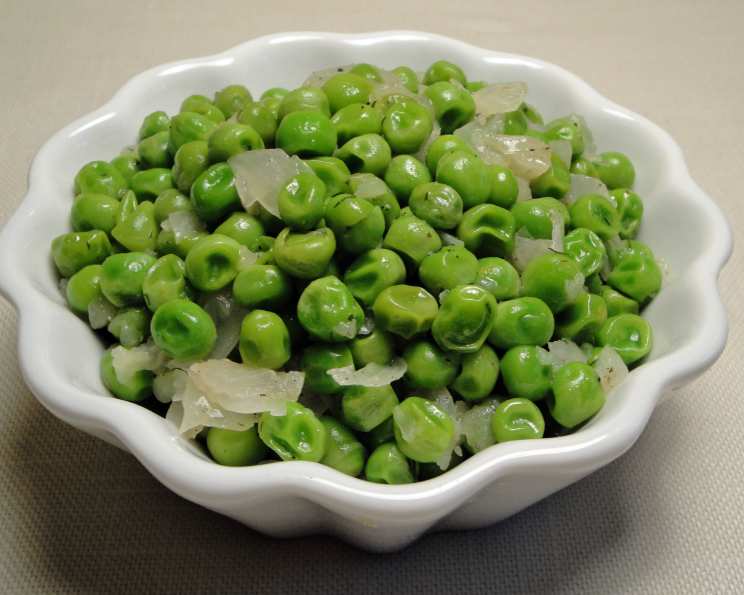
Herbed Peas: A Simple Side Dish with a Touch of Elegance
The first time I tasted peas that truly sang was at a tiny bistro in the French countryside. They weren’t just mushy, anonymous green orbs; they were bright, vibrant, and bursting with fresh flavor. The chef, a rosy-cheeked woman named Madame Dubois, had transformed a humble vegetable into something truly special. She’d simply sautéed them with butter, a touch of onion, and a sprinkle of herbs. That memory sparked a lifelong love affair with simple, well-prepared peas, and this recipe is my attempt to recreate that magic.
Recipe Overview
- Prep Time: 5 minutes
- Cook Time: 10 minutes
- Total Time: 15 minutes
- Servings: 4
- Yield: 4 servings
- Dietary Type: Vegetarian
Ingredients
- 1 small onion, finely chopped
- 1/4 stalk celery, finely chopped
- 2 tablespoons butter
- 1 (10 ounce) package frozen peas
- 3/4 teaspoon salt
- 1/4 teaspoon pepper
- 1/8 teaspoon dried marjoram or 1/8 teaspoon dill weed
- 1/4 cup water
Equipment Needed
- Saucepan
- Cutting board
- Knife
- Measuring spoons
- Measuring cup
Instructions
- Begin by preparing your vegetables. Finely chop the small onion and the 1/4 stalk of celery. Consistent, small pieces will ensure they cook evenly and meld beautifully into the finished dish.
- In a medium saucepan, melt 2 tablespoons of butter over medium heat. Let the butter melt completely and start to shimmer slightly before adding the vegetables. This will help them sauté properly and develop a deeper flavor.
- Add the chopped onion and celery to the melted butter. Sauté them until they are tender, about 5-7 minutes. Stir frequently to prevent them from browning too much. The goal is to soften them and release their aromatic compounds.
- Add the 1 (10 ounce) package of frozen peas to the saucepan. There’s no need to thaw them beforehand; they’ll cook perfectly from frozen.
- Season the peas with 3/4 teaspoon of salt and 1/4 teaspoon of pepper. Feel free to adjust these amounts to your taste. Remember that salt enhances the natural sweetness of the peas.
- Add the 1/8 teaspoon of dried marjoram (or 1/8 teaspoon of dill weed) to the saucepan. The choice between marjoram and dill depends on your preference. Marjoram offers a slightly sweeter, more subtle flavor, while dill provides a brighter, more herbaceous note.
- Pour in 1/4 cup of water. This will create a bit of steam to help the peas cook evenly and prevent them from sticking to the bottom of the pan.
- Cover the saucepan tightly with a lid. This is crucial for trapping the steam and ensuring the peas cook properly.
- Cook the peas just until they are tender, about 10 minutes. Stir occasionally to distribute the heat evenly and prevent sticking. Be careful not to overcook the peas, as they can become mushy. They should be bright green and slightly firm to the bite.
- Once the peas are tender, remove the saucepan from the heat. Taste and adjust the seasoning if needed.
Expert Tips & Tricks
- Don’t overcook: The biggest mistake people make with peas is overcooking them. Aim for a slightly firm texture, not mush.
- Fresh herbs are best: While dried herbs work in a pinch, fresh herbs will elevate the flavor of this dish. If you have access to fresh marjoram or dill, use about 1 teaspoon of chopped fresh herbs instead of the dried version.
- Add a touch of lemon: A squeeze of fresh lemon juice at the end of cooking will brighten the flavors and add a delightful tang.
- Butter alternative: For a dairy-free option, use olive oil or your favorite plant-based butter substitute. The flavor will be slightly different, but still delicious.
- Make it creamy: For a richer dish, stir in a tablespoon of heavy cream or crème fraîche at the end of cooking.
- Batch cooking: Double or triple the recipe for larger gatherings.
Serving & Storage Suggestions
Serve these herbed peas immediately as a side dish alongside roasted chicken, grilled fish, or a vegetarian main course. They are particularly delicious with mashed potatoes or polenta.
Storage: Leftover herbed peas can be stored in an airtight container in the refrigerator for up to 3 days.
Reheating: To reheat, gently warm the peas in a saucepan over low heat, stirring occasionally. You can also microwave them in a microwave-safe dish for a minute or two. Add a splash of water or broth if they seem dry.
Nutritional Information
| Nutrient | Amount per Serving | % Daily Value |
|---|---|---|
| Calories | 85 kcal | 4% |
| Total Fat | 5g | 6% |
| Saturated Fat | 3g | 15% |
| Cholesterol | 13mg | 4% |
| Sodium | 450mg | 19% |
| Total Carbohydrate | 9g | 3% |
| Dietary Fiber | 3g | 11% |
| Sugars | 3g | – |
| Protein | 3g | 6% |
Note: Nutritional information is an estimate and may vary based on specific ingredients and portion sizes.
Variations & Substitutions
- Minty Peas: Substitute the marjoram or dill with fresh mint for a refreshing twist.
- Garlic Peas: Add a clove of minced garlic along with the onion and celery for a more pungent flavor.
- Spicy Peas: Add a pinch of red pepper flakes for a little heat.
- Peas with Bacon: Cook a few slices of bacon until crispy, then crumble them over the finished peas.
- Mediterranean Peas: Add chopped sun-dried tomatoes and a sprinkle of feta cheese for a Mediterranean-inspired dish.
- Indian-Spiced Peas: Sauté a pinch of cumin seeds, turmeric, and coriander powder along with the onion and celery for an Indian-inspired variation.
- Use other vegetables: As the original recipe notes, this technique also works well with green beans or corn. Simply substitute the peas with an equal amount of either of these vegetables.
FAQs (Frequently Asked Questions)
Q: Can I use fresh peas instead of frozen?
A: Yes, you can! Use about 1 pound of fresh peas in their pods. Shell them before cooking. Fresh peas will cook a little faster than frozen, so reduce the cooking time accordingly.
Q: Can I make this recipe ahead of time?
A: While best served fresh, you can make the peas a few hours ahead of time and keep them warm in a covered dish. Be careful not to overcook them during the initial preparation, as they will continue to cook slightly while holding.
Q: What if I don’t have marjoram or dill?
A: You can omit the herbs altogether or substitute with another herb you enjoy, such as thyme or parsley.
Q: How do I know when the peas are done?
A: The peas are done when they are bright green, tender, and slightly firm to the bite. Avoid overcooking them, as they can become mushy.
Q: Can I freeze leftover herbed peas?
A: While you can freeze them, the texture may change slightly upon thawing. They might become a bit softer. To freeze, spread the cooled peas in a single layer on a baking sheet, then transfer them to a freezer bag or container.
Final Thoughts
This herbed peas recipe is a testament to the fact that simple dishes can be incredibly satisfying. With just a few ingredients and a little bit of attention, you can transform humble frozen peas into a vibrant and flavorful side dish that will elevate any meal. So go ahead, give it a try! I’m confident that you’ll be delighted by the results. Don’t hesitate to experiment with different herbs and seasonings to create your own signature version. And, please, share your feedback – I’m always eager to hear how others are making the recipe their own!