
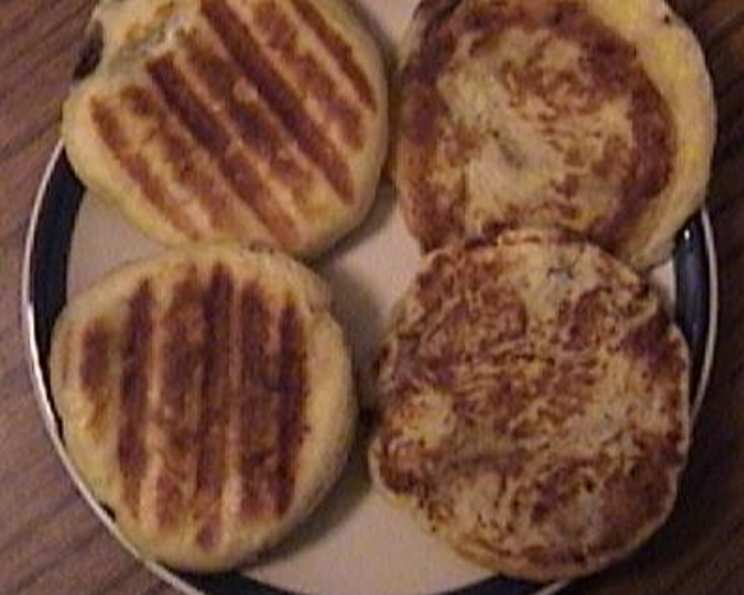
Ho Dduk: Sweet Korean Pancakes to Warm Your Soul
The first time I tasted Ho Dduk was from a street vendor in Seoul, during a frigid winter trip. The steam rising from the griddle, the sweet, nutty aroma filling the air, and the comforting warmth of the pancake in my hands – it was pure magic. That chewy, slightly crisp dough, oozing with a molten brown sugar filling, immediately became a core memory. It wasn’t just a snack; it was a portable hug on a cold day, a sweet taste of Korean hospitality. Since then, I’ve been trying to replicate that perfect bite, and this recipe comes closest to capturing that street food nostalgia.
Recipe Overview
- Prep Time: 1 hour
- Cook Time: 30 minutes
- Total Time: 1 hour 30 minutes
- Servings: 36
- Yield: 36 Ho Dduk
- Dietary Type: Vegetarian (Can be made Vegan with substitutions – see variations)
Ingredients
- 10 tablespoons butter or 10 tablespoons margarine, softened
- 2 eggs, beaten
- 2 tablespoons yeast
- 2 tablespoons sugar
- 1 1/2 cups warm water
- 1/2 cup potato flakes
- 1 cup cold water
- 1/4 cup powdered milk
- 1/4 cup sugar
- 2 teaspoons salt
- 6 cups flour
- 1 cup brown sugar
- 2 tablespoons cinnamon
- Vegetable oil
Equipment Needed
- Mixing bowls (large and small)
- Electric mixer (optional, but recommended)
- Measuring cups and spoons
- Floured surface for kneading
- Clean bowl for rising
- Damp cloth
- Skillet or griddle
- Spatula
- Paper towels
Instructions
-
In a bowl, combine the yeast, 2 tablespoons of sugar, and 1 1/2 cups of warm water. Let this mixture stand for about 5-10 minutes, or until foamy. This step activates the yeast, ensuring a light and airy dough.
-
In a separate bowl, mix the potato flakes with 1 cup of cold water. This creates a starchy mixture that will contribute to the dough’s chewy texture. Set aside.
-
In the bowl of your electric mixer (or in a large mixing bowl if mixing by hand), combine the powdered milk, 1/4 cup of sugar, salt, and 4 cups of flour.
-
Add the softened butter (or margarine), beaten eggs, yeast mixture, and potato flake mixture to the mixer bowl.
-
Mix until well blended. If using a mixer, start on low speed and gradually increase to medium.
-
Gradually add the remaining 2 cups of flour in small amounts until the dough “cleans” the sides of the mixing bowl. This means the dough is no longer sticking to the sides and is forming a cohesive ball. Be careful not to add too much flour, as this will result in a tough dough.
-
Remove the dough from the bowl and knead it on a lightly floured surface for about 10 minutes. Kneading develops the gluten in the flour, which gives the Ho Dduk its characteristic chewy texture. The dough should be smooth and elastic.
-
Grease a clean bowl with vegetable oil. Place the dough in the bowl, turning to coat all sides. Cover the bowl with a damp cloth and let the dough rise in a warm place for about 45 minutes, or until doubled in size.
-
While the dough is rising, prepare the filling. In a small bowl, mix together the brown sugar and cinnamon. You can adjust the amount of cinnamon to your liking. Some people prefer a more pronounced cinnamon flavor, while others like it more subtle.
-
After the dough has risen, gently punch it down to release the air. Divide the dough into 36 equal-sized balls. Cover the balls with a damp cloth to prevent them from drying out.
-
Heat a generous amount of vegetable oil in a skillet or on a griddle over medium heat. The oil should just barely cover the bottom of the pan.
-
Take a ball of dough and flatten it in the palm of your hand to form a small disc.
-
Place a spoonful of the cinnamon-sugar mixture in the center of the dough disc.
-
Carefully wrap the dough around the filling, pinching the edges together to seal it completely. Make sure there are no holes, or the filling will leak out during cooking.
-
Place the filled dough ball seam-side down into the hot oil. Let it cook for about 30 seconds, then flatten it with a spatula.
-
Cook for another 30 seconds, then flip and flatten it some more.
-
Continue cooking, flipping occasionally and flattening, until the Ho Dduk is golden brown and cooked through. This should take about 2-3 minutes per side.
-
Remove the Ho Dduk from the skillet and place it on a paper towel-lined plate to drain excess oil.
-
Repeat the process with the remaining dough balls, adding more oil to the skillet as needed to prevent the pancakes from sticking.
Expert Tips & Tricks
- Dough Consistency: The dough should be slightly sticky but manageable. If it’s too wet, add a tablespoon of flour at a time until it reaches the right consistency. If it’s too dry, add a teaspoon of water at a time.
- Filling Leaks: To prevent filling leaks, ensure the dough is properly sealed around the filling. If you see any cracks or holes, pinch them together tightly.
- Cooking Temperature: Keep the heat at medium. Too high, and the outside will burn before the inside is cooked. Too low, and the Ho Dduk will be greasy.
- Flattening Technique: Use a spatula to gently flatten the Ho Dduk. Avoid pressing too hard, as this can cause the filling to squirt out.
- Make-Ahead Option: You can prepare the dough in advance and store it in the refrigerator for up to 24 hours. Let it come to room temperature before shaping and cooking.
Serving & Storage Suggestions
Serve Ho Dduk hot and fresh for the best flavor and texture. They are delicious on their own or as a dessert. You can also sprinkle them with a little extra cinnamon or powdered sugar.
Leftover Ho Dduk can be stored in an airtight container at room temperature for up to 2 days or in the refrigerator for up to 5 days. To reheat, warm them in a skillet over low heat or in a microwave for a few seconds. They can also be frozen for longer storage; wrap them individually in plastic wrap before freezing. Reheat from frozen in a skillet or oven.
Nutritional Information
| Nutrient | Amount per Serving | % Daily Value |
|---|---|---|
| Calories | 149.9 kcal | – |
| Calories from Fat | 35 g | 24% |
| Total Fat | 4 g | 6% |
| Saturated Fat | 2.3 g | 11% |
| Cholesterol | 19.7 mg | 6% |
| Sodium | 168.5 mg | 7% |
| Total Carbohydrate | 25.6 g | 8% |
| Dietary Fiber | 1 g | 4% |
| Sugars | 8.5 g | 33% |
| Protein | 3.1 g | 6% |
Variations & Substitutions
- Vegan Ho Dduk: Substitute the butter with vegan butter or margarine, and replace the eggs with 2 tablespoons of applesauce or mashed banana. Use a plant-based milk alternative, like almond or soy milk, in place of the powdered milk.
- Gluten-Free Ho Dduk: Use a gluten-free all-purpose flour blend and add a teaspoon of xanthan gum to improve the texture.
- Savory Ho Dduk: Omit the sugar in the dough and fill the pancakes with savory ingredients like kimchi, glass noodles, and vegetables.
- Nutella Ho Dduk: Substitute the cinnamon-sugar filling with Nutella for a decadent twist.
- Seed Filled Ho Dduk: Use a premix of grinded black sesame seeds, sunflower seeds, and peanut with a little bit of sugar for your filling.
FAQs (Frequently Asked Questions)
Q: Why is my Ho Dduk dough not rising?
A: Make sure your yeast is fresh and activated properly in warm water. Also, the room temperature should be warm enough for the dough to rise effectively.
Q: How do I prevent the filling from leaking out?
A: Ensure the edges of the dough are tightly sealed after adding the filling. Avoid overfilling the pancakes and cook them over medium heat to prevent bursting.
Q: Can I use a different type of sugar for the filling?
A: While brown sugar is traditional, you can experiment with other sugars like maple sugar or coconut sugar. The taste will be slightly different, but still delicious.
Q: My Ho Dduk is too greasy. What can I do?
A: Make sure the oil is hot enough before adding the pancakes, but not too hot that they burn quickly. After cooking, place the Ho Dduk on a paper towel-lined plate to absorb excess oil.
Q: How can I make my Ho Dduk chewier?
A: Kneading the dough for the full 10 minutes will help develop the gluten and create a chewier texture. You can also try adding a bit more potato flakes to the dough.
Final Thoughts
Now that you’re armed with this recipe, I urge you to give it a try! The process of making Ho Dduk is as enjoyable as eating them. Whether you’re chasing a nostalgic memory or simply looking for a comforting treat, these sweet Korean pancakes are sure to satisfy. Don’t be afraid to experiment with different fillings or variations to make them your own. And if you manage to capture that perfect bite, be sure to share your creation with friends and family – or even better, with me! Enjoy!