
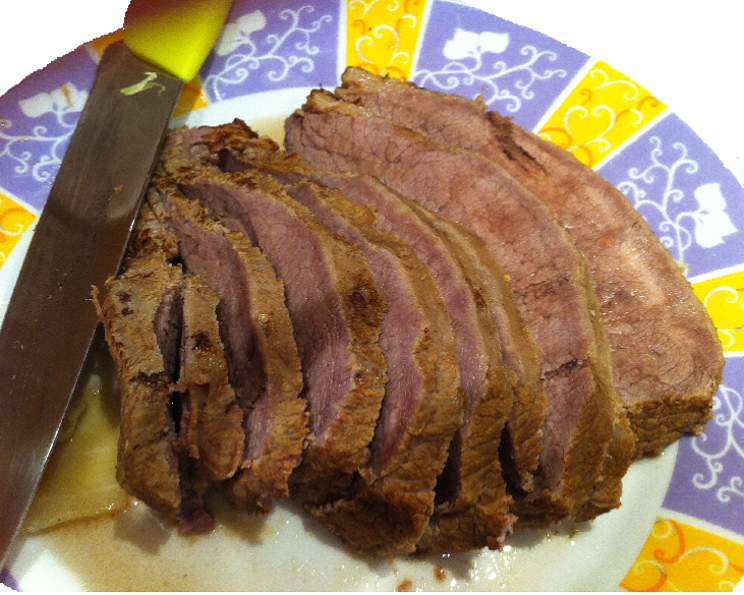
The Brining Truth: Crafting Your Own Corned Beef at Home
The aroma of corned beef simmering away in the kitchen takes me right back to my grandmother’s Sunday dinners. I can almost see her now, bustling around the stove, a cloud of savory steam surrounding her as she carefully lifted the tender, pink meat from the pot. She never told me where she got it. But the taste… oh, the taste. Savory, slightly tangy, melt-in-your-mouth goodness that simply can’t be replicated by anything store-bought. It wasn’t until years later, during my culinary adventures across the pond, that I unlocked her secret: making it yourself! It turns out that “corned” simply refers to the large grains of salt used in the brining process, a method Brits used long ago to preserve meat. And now, I’m going to share that magic with you.
Recipe Overview
- Prep Time: 5 minutes
- Cook Time: 24 hours 5 minutes
- Total Time: 24 hours 10 minutes
- Servings: 6-8
- Yield: 1 corned beef
- Dietary Type: None Specified
Ingredients
- 5 cups water
- 1 cup salt
- ½ cup sugar
- 3 cloves garlic, crushed
- 6-8 lbs beef brisket (or beef roast, if preferred)
Equipment Needed
- Large Pot
- Large Plastic Bag
- Refrigerator
Instructions
- Begin by bringing the water to a boil in a large pot.
- Add the salt, sugar, and crushed garlic to the boiling water.
- Stir the mixture until the salt and sugar are completely dissolved. This step is crucial for creating an even brine.
- Remove the pot from the heat and allow the brine to cool completely. To expedite this process, you can transfer the mixture to the refrigerator or freezer. It must be cold before adding the meat!
- Place the beef brisket (or roast) into a large plastic bag. Ensure the bag is large enough to fully submerge the meat in the brine. A resealable freezer bag works well, or you can use a brining bag.
- Carefully pour the cooled brine over the brisket in the bag. Make sure the meat is completely submerged in the liquid. If necessary, add more water to ensure complete coverage.
- Seal the bag tightly, removing as much air as possible.
- Place the bag containing the brisket and brine in the refrigerator.
- Refrigerate for 24 hours, flipping the bag every 4-6 hours to ensure even brining. This rotation is essential for consistent flavor and color throughout the meat.
- After the brining process is complete, you have your very own corned beef! You can now cook it to your preferred doneness using any method you like – boiling, braising, or even slow-cooking.
Expert Tips & Tricks
- Salt Quality: Use a high-quality kosher salt or sea salt for the best flavor. Avoid iodized table salt, as it can impart a metallic taste.
- Spice It Up: Add pickling spices to your brine for a more complex flavor profile. Common additions include peppercorns, coriander seeds, mustard seeds, bay leaves, and allspice berries. Toast the spices lightly before adding them to the brine to enhance their aroma.
- Brining Time: While 24 hours is a good starting point, you can brine the beef for longer – up to 3 days – for a more intense flavor. Just be sure to monitor the saltiness and adjust accordingly.
- Vacuum Sealing: For optimal results, consider vacuum-sealing the brisket in the brine. This ensures maximum contact between the meat and the liquid, resulting in a more evenly flavored corned beef.
- Rinsing: Before cooking, rinse the corned beef under cold water to remove excess salt. This will help prevent the final product from being overly salty.
Serving & Storage Suggestions
Corned beef is incredibly versatile and can be served in a variety of ways. Classic preparations include corned beef and cabbage, Reuben sandwiches, and corned beef hash.
- Serving: Slice the corned beef thinly against the grain for maximum tenderness. Serve hot with your favorite sides, such as boiled potatoes, carrots, and cabbage.
- Storage: Leftover corned beef can be stored in an airtight container in the refrigerator for up to 3-4 days. For longer storage, freeze the corned beef in a freezer-safe bag or container for up to 2-3 months.
- Reheating: Reheat sliced corned beef gently in a skillet with a little butter or broth, or steam it until warmed through. Avoid overcooking, as this can dry out the meat. Frozen corned beef should be thawed in the refrigerator before reheating.
Nutritional Information
Please note that these values are estimates and may vary based on specific ingredients and cooking methods.
| Nutrient | Amount per Serving | % Daily Value |
|---|---|---|
| Calories | 770 kcal | N/A |
| Calories from Fat | N/A | N/A |
| Total Fat | 33g | 51% |
| Saturated Fat | 12g | 58% |
| Cholesterol | 281mg | 93% |
| Sodium | 19227mg | 801% |
| Total Carbohydrate | 17g | 5% |
| Dietary Fiber | 0g | 0% |
| Sugars | 17g | 66% |
| Protein | 94g | 188% |
Variations & Substitutions
- Spice Blend: Experiment with different spice blends to create your own signature corned beef flavor. Add juniper berries, cloves, or even a pinch of chili flakes for a unique twist.
- Sweetener: Replace the sugar with honey or maple syrup for a more natural sweetener.
- Liquid Base: Use beef broth or stout beer instead of water for a richer, more complex brine.
- Vegetarian Option: While not technically corned “beef,” you can use this brining method for other cuts of meat like pork shoulder or even firm tofu for a vegetarian alternative.
FAQs (Frequently Asked Questions)
Q: Can I use a different cut of beef besides brisket?
A: Yes, you can use other cuts like beef roast, but brisket is the most traditional and flavorful choice due to its marbling.
Q: Is it necessary to flip the bag every 4-6 hours during brining?
A: While it requires a little effort, flipping ensures even distribution of the brine and results in a more consistent flavor throughout the meat.
Q: Can I brine the beef for longer than 24 hours?
A: Yes, you can brine it for up to 3 days, but be mindful of the saltiness. Taste the brine and adjust if needed, and rinse the beef thoroughly before cooking.
Q: What’s the best way to cook the corned beef after brining?
A: Slow cooking or braising are excellent methods for tenderizing the meat. Boiling is also an option, but be careful not to overcook it.
Q: My corned beef is too salty. What did I do wrong?
A: It’s possible the salt wasn’t fully dissolved in the water, or you brined it for too long. Make sure the salt is dissolved and don’t exceed the recommended brining time. Rinsing the beef well before cooking can also help.
Final Thoughts
Making your own corned beef might seem intimidating, but it’s surprisingly simple and incredibly rewarding. The rich, savory flavor you achieve at home far surpasses anything you can buy in a store. So, gather your ingredients, embrace the brining process, and prepare to be amazed by the results. This homemade corned beef will elevate your sandwiches, your Sunday dinners, and maybe even your cooking confidence! Share your creations and experiences, and don’t be afraid to tweak the recipe to make it your own. And why not pair it with a classic Irish stout for the ultimate culinary experience? Cheers to corned beef!