
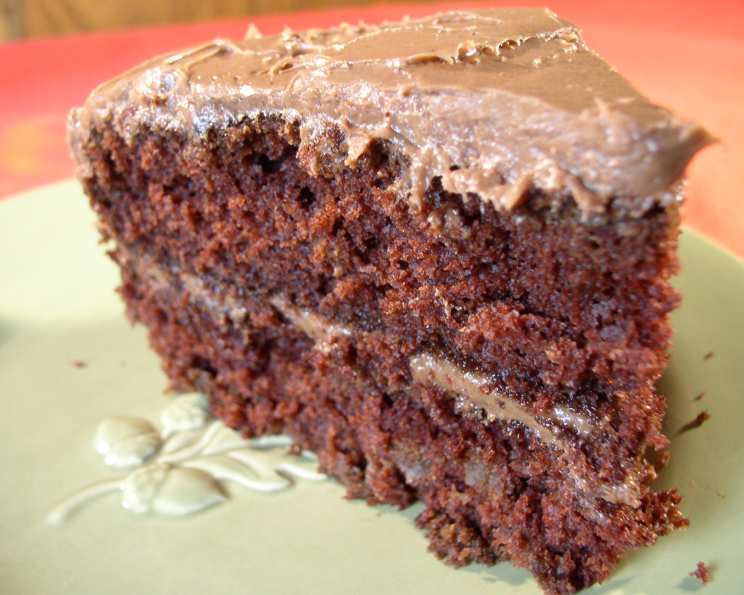
Sauerkraut Cake: A Culinary Curiosity Worth Conquering
I’ll admit, the first time I heard about Sauerkraut Cake, I raised an eyebrow. Sauerkraut, the tangy fermented cabbage usually reserved for Reubens and sausages, in a cake? The idea seemed…unconventional. But my grandmother, a woman whose baking prowess I trusted implicitly, swore by it. She’d chuckle, a twinkle in her eye, “Don’t knock it ’til you try it, dear. It tastes kind of like a chocolate coconut cake.” And she was right. This seemingly odd combination yields a moist, rich, and surprisingly delicious cake that has become a cherished family tradition.
Recipe Overview
- Prep Time: 20 minutes
- Cook Time: 30-40 minutes
- Total Time: 50-60 minutes
- Servings: 12
- Yield: 1 cake
- Dietary Type: Not specified, contains dairy and eggs.
Ingredients
For the Cake:
- ⅔ cup margarine, softened
- 1 ½ cups sugar
- 3 eggs
- 2 ¼ cups flour
- 1 teaspoon baking soda
- 1 teaspoon baking powder
- ½ cup cocoa powder
- ½ teaspoon salt
- 1 cup water
- 1 tablespoon vanilla extract
- ⅔ cup sauerkraut, well drained and finely chopped
For the Frosting:
- ½ cup margarine, softened
- 6 ounces Philadelphia Cream Cheese, softened
- 2 ½ cups powdered sugar
- ¼ cup cocoa powder
- 1 teaspoon vanilla extract
Equipment Needed
- Mixing bowls
- Electric mixer (handheld or stand mixer)
- Measuring cups and spoons
- Sifter
- Desired cake pan (round, square, or bundt)
- Rubber spatula or wooden spoon
- Oven
- Cooling rack
Instructions
-
Preheat your oven to 350°F (175°C). Prepare your cake pan by greasing and flouring it, or lining it with parchment paper. This will prevent the cake from sticking.
-
In a large mixing bowl, cream together the softened margarine and sugar until the mixture is light and fluffy. This step is crucial for achieving a tender cake crumb, so take your time.
-
Add the eggs, one at a time, to the creamed mixture, beating well after each addition. This ensures that each egg is fully incorporated and contributes to the cake’s overall structure.
-
In a separate bowl, sift together the flour, baking soda, baking powder, cocoa powder, and salt. Sifting helps to remove any lumps and ensures that the dry ingredients are evenly distributed throughout the batter.
-
Gradually add the dry ingredients to the wet ingredients, alternating with the water. Begin and end with the dry ingredients. Mix until just combined. Be careful not to overmix the batter, as this can result in a tough cake.
-
Stir in the vanilla extract.
-
Now for the secret ingredient: gently fold in the well-drained and finely chopped sauerkraut. Ensure the sauerkraut is evenly distributed throughout the batter. Don’t worry; you won’t taste the sourness!
-
Pour the batter into your prepared cake pan and bake for 30-40 minutes, or until a wooden skewer inserted into the center comes out clean. The baking time may vary depending on your oven and the size of your cake pan.
-
Once baked, let the cake cool in the pan for 10 minutes before inverting it onto a wire rack to cool completely.
-
While the cake is cooling, prepare the frosting. In a mixing bowl, cream together the softened margarine and cream cheese until smooth and creamy.
-
Gradually add the powdered sugar and cocoa powder to the cream cheese mixture, beating on low speed until combined.
-
Stir in the vanilla extract.
-
Once the cake is completely cooled, frost it generously with the cream cheese frosting.
Expert Tips & Tricks
- Draining the Sauerkraut is Key: Make sure the sauerkraut is very well drained and finely chopped. Use paper towels to squeeze out excess moisture. This prevents a soggy cake and ensures the flavor is subtle.
- Don’t Overmix: Overmixing the batter develops the gluten in the flour, leading to a tough cake. Mix until just combined.
- Room Temperature Ingredients: Using room temperature ingredients (especially the margarine, cream cheese, and eggs) helps the batter come together more easily and results in a smoother, more even texture.
- Adjust Sweetness: If you prefer a less sweet frosting, reduce the amount of powdered sugar slightly.
- Baking Time Variation: Ovens vary, so keep an eye on your cake. If it’s browning too quickly, tent it loosely with foil.
Serving & Storage Suggestions
This Sauerkraut Cake is best served at room temperature. The cream cheese frosting is rich and decadent, so a thin slice is often enough. Garnish with a dusting of cocoa powder or chocolate shavings for an elegant touch.
Store any leftover cake in an airtight container in the refrigerator for up to 3 days. The cream cheese frosting needs to be refrigerated. You can also freeze the unfrosted cake for up to 2 months. Thaw it completely before frosting.
Nutritional Information
Note: Nutritional information is an estimate and may vary based on specific ingredients and serving sizes.
| Nutrient | Amount per Serving | % Daily Value |
|---|---|---|
| Calories | 523 kcal | 26% |
| Total Fat | 24.8g | 38% |
| Saturated Fat | 11.8g | 59% |
| Cholesterol | 68.5mg | 23% |
| Sodium | 552.9mg | 23% |
| Total Carbohydrate | 71.9g | 24% |
| Dietary Fiber | 2.6g | 10% |
| Sugars | 50.1g | N/A |
| Protein | 6.4g | 13% |
Variations & Substitutions
- Gluten-Free: Substitute the all-purpose flour with a gluten-free blend. Be sure to add a binder like xanthan gum for a better texture.
- Dairy-Free: Use a dairy-free margarine and cream cheese alternative. Almond or soy milk can replace the water in the cake.
- Spice It Up: Add a teaspoon of cinnamon or nutmeg to the batter for a warmer, spicier flavor.
- Chocolate Chips: Fold in a cup of chocolate chips for an extra layer of chocolatey goodness.
- Nutty Delight: Add chopped walnuts or pecans to the batter for a crunchy texture and nutty flavor.
FAQs (Frequently Asked Questions)
Q: Does the cake really taste like sauerkraut?
A: Surprisingly, no! The sauerkraut adds moisture and a subtle tang, but the flavor is very mild and complements the chocolate beautifully. Most people can’t even detect it.
Q: Can I use a different type of sugar?
A: Granulated sugar is recommended for the best texture, but you could substitute with brown sugar for a slightly more molasses-like flavor.
Q: Can I make this cake ahead of time?
A: Yes, you can bake the cake a day ahead of time, wrap it tightly in plastic wrap, and store it at room temperature. Frost it just before serving.
Q: What if I don’t have cream cheese for the frosting?
A: You can substitute the cream cheese with an equal amount of mascarpone cheese or a very thick Greek yogurt (well-drained).
Q: Can I freeze the frosted cake?
A: While you can freeze the frosted cake, the frosting may change texture slightly upon thawing. It’s best to freeze the unfrosted cake and frost it after thawing for the best results.
Final Thoughts
Sauerkraut Cake is a testament to the fact that sometimes, the most unexpected ingredient combinations can lead to the most delightful culinary discoveries. This cake is more than just a recipe; it’s a conversation starter, a bit of culinary history, and a surprisingly delicious treat. Don’t be afraid to try it! Share it with friends and family, and be prepared for their surprised reactions. And most importantly, enjoy every delicious bite of this unique and wonderful cake. I’d love to hear your feedback after you’ve baked it, too! Perhaps pair it with a strong cup of coffee or a glass of cold milk for the perfect indulgence.