
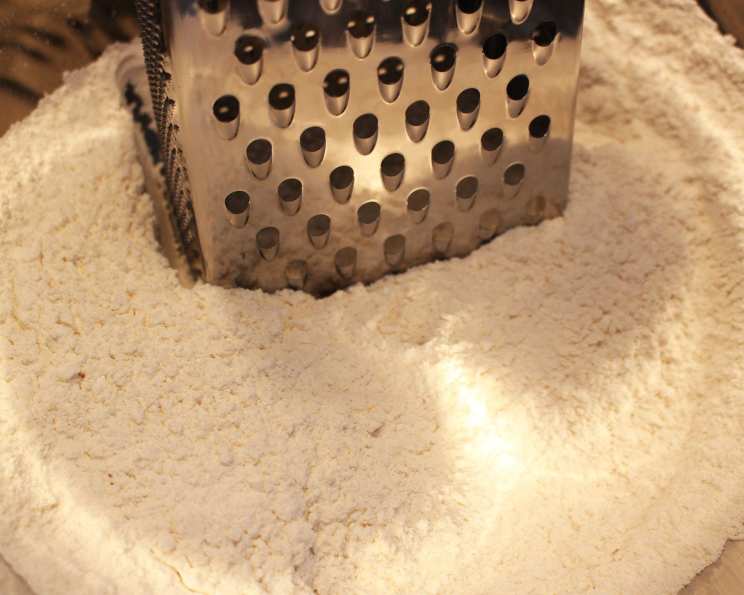
The Magic of a Homemade Self-Rising Flour Substitute
I remember one particularly chaotic Thanksgiving morning. My grandmother, Nana Rose, was determined to make her famous biscuits, a fluffy, melt-in-your-mouth delight that everyone eagerly anticipated. In a flurry of apron strings and flour dust, she discovered, to her dismay, that she was completely out of self-rising flour! A quick trip to the store wasn’t an option with a houseful of relatives already arriving. With a twinkle in her eye and a confident smile, she announced, “Never you worry! We’ll just make our own!” And that’s precisely what she did, whipping up a batch of perfect self-rising flour from scratch. Those biscuits were legendary, and the memory cemented in my mind the invaluable skill of improvisation in the kitchen.
Recipe Overview
- Prep Time: 5 minutes
- Cook Time: 0 minutes
- Total Time: 5 minutes
- Yields: 3/4 cup
- Dietary Type: Adaptable to Gluten-Free
Ingredients
- ¾ cup all-purpose flour
- 1 teaspoon baking powder
- ¼ teaspoon salt
Equipment Needed
- Measuring cups and spoons
- Whisk or fork
- Bowl
Instructions
- In a mixing bowl, combine ¾ cup of all-purpose flour, 1 teaspoon of baking powder, and ¼ teaspoon of salt.
- Using a whisk or fork, thoroughly mix the ingredients together until they are evenly distributed. Ensure there are no lumps of baking powder or salt.
- The homemade self-rising flour is now ready to use in place of commercial self-rising flour in your recipe.
- May double or triple the recipe if a larger quantity is needed.
Expert Tips & Tricks
- Measure Accurately: The success of this substitute hinges on accurate measurements. Use measuring cups and spoons designed for dry ingredients. Avoid scooping flour directly from the bag, as this can pack it down, leading to too much flour in your mixture. Instead, spoon the flour into the measuring cup and level it off with a straight edge.
- Baking Powder Freshness: Ensure your baking powder is fresh. An old or expired baking powder will not provide the necessary lift in your baked goods, resulting in a dense and flat final product. To test its freshness, place a small amount of baking powder in a bowl and add hot water. If it fizzes vigorously, it’s good to use. If not, it’s time to replace it.
- Whisking is Key: Thoroughly whisking the ingredients together is crucial for even distribution. Uneven distribution of baking powder can lead to pockets of rise in your baked goods or, conversely, areas that don’t rise at all.
- Gluten-Free Adaptation: To make this a gluten-free self-rising flour substitute, simply replace the all-purpose flour with a high-quality gluten-free all-purpose flour blend. Ensure the blend contains xanthan gum or another binder to provide structure to your baked goods.
- Storage: While it’s best to use this homemade self-rising flour immediately, you can store it in an airtight container in a cool, dry place for up to a week. However, keep in mind that the baking powder‘s leavening power may diminish over time, so it’s always best to use it as fresh as possible.
- If you accidentally add too much salt, you can try adding a tiny pinch of sugar to help balance the flavors.
Serving & Storage Suggestions
This homemade self-rising flour is best used immediately in your baking recipes. It’s perfect for biscuits, scones, pancakes, muffins, and quick breads. Since it doesn’t contain any preservatives, it’s best to use it as fresh as possible. If you have any leftover homemade self-rising flour, store it in an airtight container in a cool, dry place for up to a week. However, be aware that the leavening power of the baking powder may decrease over time. It is not recommended to store prepared batter or dough made with this substitute for extended periods.
Nutritional Information
| Nutrient | Amount per Serving | % Daily Value |
|---|---|---|
| Calories | 367 kcal | 18% |
| Total Fat | 0.9g | 1% |
| Saturated Fat | 0.2g | 1% |
| Cholesterol | 0mg | 0% |
| Sodium | 230mg | 10% |
| Total Carbohydrate | 79g | 29% |
| Dietary Fiber | 2.2g | 8% |
| Sugars | 0.2g | 0% |
| Protein | 8.9g | 18% |
| Note: Nutritional information is an estimate and may vary based on specific ingredients and preparation methods. |
Variations & Substitutions
- Whole Wheat Self-Rising Flour: For a slightly nutty flavor and added fiber, substitute half of the all-purpose flour with whole wheat flour.
- Spiced Self-Rising Flour: Add a pinch of cinnamon, nutmeg, or cardamom to the mixture for a warm and aromatic twist. This is particularly delicious in muffins and quick breads.
- Buttermilk Powder Boost: For extra tanginess and tenderness, add 1 tablespoon of buttermilk powder to the mixture. This will give your baked goods a subtle buttermilk flavor.
- Lower Sodium: If you are watching your sodium intake, you can reduce the amount of salt to ⅛ teaspoon or even omit it altogether. However, keep in mind that salt plays a role in flavor development and can also affect the texture of your baked goods.
FAQs (Frequently Asked Questions)
Q: Can I use this substitute in any recipe that calls for self-rising flour?
A: Yes, this substitute can be used in any recipe that calls for self-rising flour. Just be sure to follow the recipe instructions carefully.
Q: What if I don’t have baking powder?
A: Baking powder is essential for this recipe. You can’t substitute it directly. You can make baking powder using baking soda and cream of tartar but will then also need to omit the baking powder from the self-rising recipe.
Q: Can I make a large batch and store it for later?
A: While you can make a larger batch, the leavening power of the baking powder may diminish over time. It’s best to use it as fresh as possible.
Q: Does the type of salt matter?
A: Table salt or fine sea salt is recommended for even distribution. Avoid using coarse salt, as it may not dissolve properly.
Q: My baked goods are turning out flat. What am I doing wrong?
A: This could be due to several factors, including using old baking powder, not measuring the ingredients accurately, or overmixing the batter. Make sure your baking powder is fresh, measure carefully, and avoid overmixing.
Final Thoughts
The ability to create a self-rising flour substitute from scratch is a valuable skill for any home cook. It’s not only a convenient solution when you’re caught short on ingredients, but it also empowers you to customize your baked goods to your liking. So, go ahead and give it a try! Whip up a batch of fluffy biscuits, golden muffins, or a tender quick bread. Experiment with different variations and flavor combinations. Baking is all about creativity and enjoying the process. And don’t forget to share your culinary creations with loved ones – the smiles they bring are the sweetest reward of all!