
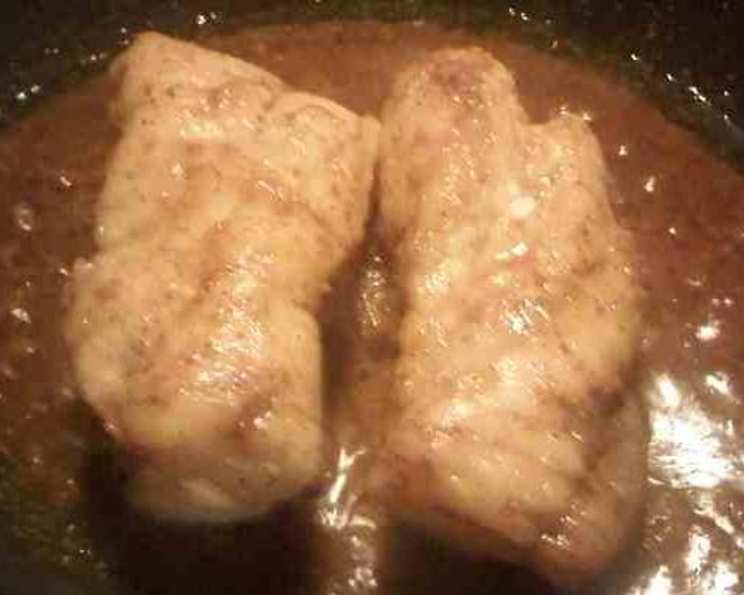
Monkfish With Curry Oil: An Unexpected Culinary Delight
I remember the first time I encountered monkfish. I was a young apprentice chef, tasked with prepping the “ugly” fish that the head chef insisted was a hidden gem. Honestly, its appearance was a bit alarming – all mouth and a peculiar, almost prehistoric look. But the moment I tasted it, seared to perfection with a fragrant curry oil, I was a convert. That initial experience ignited my passion for transforming humble ingredients into extraordinary meals. This Monkfish with Curry Oil recipe is a testament to that principle, turning an underappreciated fish into a star.
Recipe Overview
- Prep Time: 5 minutes
- Cook Time: 15 minutes
- Total Time: 20 minutes
- Servings: 2
- Dietary Type: Pescatarian
Ingredients
- 2 tablespoons vegetable oil
- Salt and pepper, to taste
- 2 (approximately ½ lb) monkfish fillets
- 1 teaspoon curry powder
- ½ cup brewed green tea
- 1 tablespoon honey
- 1 pinch cayenne pepper
Equipment Needed
- Large nonstick skillet
Instructions
-
Begin by heating the vegetable oil in a large nonstick skillet over medium-high heat. It’s crucial to use a nonstick skillet to prevent the delicate monkfish from sticking and tearing during the searing process. Ensure the oil is shimmering and hot before adding the fish.
-
Generously season the monkfish fillets with salt and pepper to taste. Don’t be shy with the seasoning, as this is your chance to build a flavorful foundation for the dish. Pat the fillets dry with a paper towel to ensure a good sear.
-
Carefully place the seasoned monkfish fillets into the hot skillet. Sear the fish until it’s nicely browned on all sides, which should take approximately 5-8 minutes depending on the thickness of the fillets. Avoid overcrowding the pan, as this will lower the temperature and result in steaming instead of searing. You want that beautiful golden-brown crust. Once seared, remove the monkfish from the pan and set aside.
-
Reduce the heat to medium and use a spatula to scrape any browned bits from the bottom of the pan. These browned bits, also known as fond, are packed with flavor and will contribute to the richness of the curry oil sauce.
-
Add the curry powder to the skillet and cook for about 2 minutes, or until fragrant. Cooking the curry powder in the hot oil releases its aromatic oils and enhances its flavor. Be careful not to burn the spices.
-
Return the heat to medium-high and pour in the brewed green tea, followed by the honey and cayenne pepper. The green tea adds a unique, slightly bitter note that balances the sweetness of the honey and the heat of the cayenne.
-
Bring the mixture to a simmer, stirring gently to ensure the honey is fully dissolved and the ingredients are well combined.
-
Gently return the seared monkfish fillets to the pan.
-
Continue cooking the monkfish in the simmering sauce until the sauce has thickened and become syrupy. This should take a few more minutes. Basting the fish with the sauce as it cooks will help to keep it moist and infuse it with flavor. The sauce should cling nicely to the fish.
-
Serve the monkfish immediately, drizzled with the luscious curry oil sauce. Garnish with fresh herbs like cilantro or parsley for added visual appeal and a fresh, vibrant flavor.
Expert Tips & Tricks
- Achieving the Perfect Sear: For a truly exceptional sear, ensure your skillet is thoroughly preheated. A screaming hot pan is key to creating that beautiful crust without overcooking the fish inside.
- Spice Level Adjustment: The amount of cayenne pepper can be adjusted to suit your preferred level of spiciness. Start with a small pinch and add more to taste.
- Tea Infusion: Experiment with different types of green tea to subtly alter the flavor profile of the dish. A jasmine green tea, for example, would add a floral note.
- Don’t Overcook the Monkfish: Monkfish can become tough if overcooked. Cook it just until it’s opaque and firm to the touch. An instant-read thermometer inserted into the thickest part should register around 145°F (63°C).
Serving & Storage Suggestions
Serve the Monkfish with Curry Oil immediately while it’s hot and the sauce is glossy. It pairs beautifully with steamed rice, quinoa, or couscous to soak up the flavorful sauce. Roasted vegetables, such as broccoli, asparagus, or bell peppers, also make excellent side dishes.
If you have any leftovers, store them in an airtight container in the refrigerator for up to 2 days. Reheat gently in a skillet over low heat, or in the microwave, until heated through. Be careful not to overcook the fish during reheating.
Nutritional Information
| Nutrient | Amount per Serving | % Daily Value |
|---|---|---|
| Calories | 328 kcal | N/A |
| Total Fat | 17 g | 26% |
| Saturated Fat | 3 g | 12% |
| Cholesterol | 57 mg | 18% |
| Sodium | 42 mg | 1% |
| Total Carbohydrate | 9 g | 3% |
| Dietary Fiber | 0 g | 1% |
| Sugars | 9 g | N/A |
| Protein | 33 g | 65% |
Note: Nutritional information is an estimate and may vary based on specific ingredients and portion sizes.
Variations & Substitutions
- Other Fish: If you can’t find monkfish, you can substitute with other firm, white fish like cod, halibut, or sea bass. Adjust cooking times accordingly based on the thickness of the fillets.
- Spice It Up: For a more intense curry flavor, add a pinch of garam masala or a dash of red pepper flakes to the sauce.
- Sweetness Adjustment: If you prefer a less sweet sauce, reduce the amount of honey or substitute it with a sugar-free sweetener like stevia.
- Vegetarian Option: While the core of this dish is the monkfish, you could adapt the curry oil sauce for use with grilled halloumi cheese or firm tofu for a vegetarian-friendly option.
- Coconut Curry Oil: Substitute the green tea with coconut milk for a richer, creamier sauce with a tropical twist.
FAQs (Frequently Asked Questions)
Q: What does monkfish taste like?
A: Monkfish has a firm, dense texture and a mild, slightly sweet flavor often compared to lobster. This makes it a versatile fish that pairs well with a variety of sauces and seasonings.
Q: Can I use a different type of oil besides vegetable oil?
A: Yes, you can use other neutral-flavored oils like canola oil, grapeseed oil, or avocado oil. Avoid using oils with strong flavors like olive oil, as they may clash with the curry spices.
Q: How do I know when the monkfish is cooked through?
A: The monkfish is cooked through when it is opaque and firm to the touch. You can also use an instant-read thermometer to check the internal temperature, which should be around 145°F (63°C).
Q: Can I make the curry oil sauce ahead of time?
A: Yes, you can make the curry oil sauce ahead of time and store it in an airtight container in the refrigerator for up to 3 days. Reheat gently before adding the fish.
Q: What can I serve with Monkfish with Curry Oil?
A: This dish pairs well with a variety of sides, including steamed rice, quinoa, couscous, roasted vegetables, or a fresh salad. A crisp white wine like Sauvignon Blanc or Pinot Grigio would also be a great accompaniment.
Final Thoughts
Monkfish with Curry Oil is a dish that truly celebrates the power of simple ingredients and thoughtful preparation. Don’t let the monkfish’s unusual appearance deter you – its delicious flavor and firm texture make it a truly rewarding culinary experience. I encourage you to try this recipe and discover the hidden gem that is monkfish. Share your creations and adaptations with fellow food lovers, and most importantly, enjoy the process of cooking and creating memorable meals.