
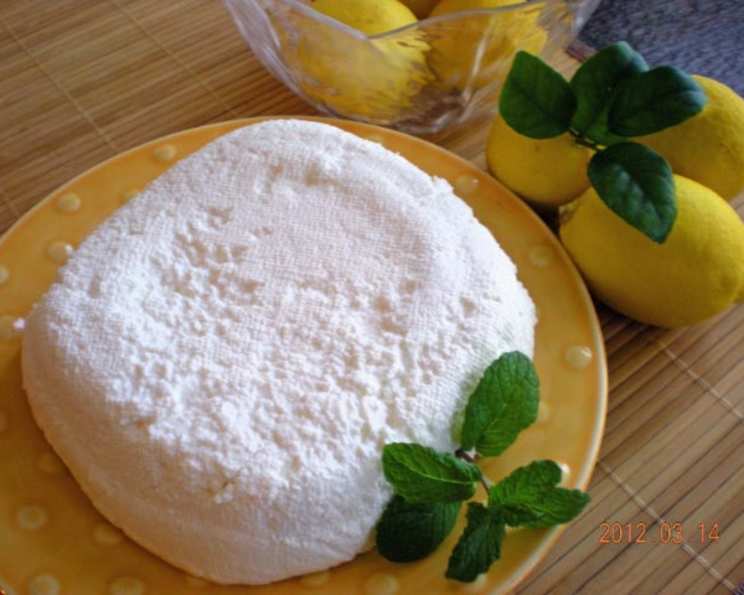
How to Make Authentic German Quark: A Taste of the Black Forest
The scent of damp earth, pine needles, and something subtly sour yet incredibly fresh – that’s what I remember most vividly from my childhood summers in the Black Forest. My friend’s family lived in a tiny village, and their kitchen was a constant source of culinary wonder. Amongst the many traditional German treats, one stood out: Quark. It wasn’t just food; it was a connection to the land, a taste of simple, honest living, and I feel that taste even today. I recall watching my friend’s grandmother meticulously making it, the whey slowly separating, transforming humble milk into something magical.
Recipe Overview
- Prep Time: 16 hours
- Cook Time: 30 minutes
- Total Time: 16 hours 30 minutes
- Servings: Varies (yields approximately 300-350g)
- Yield: About 300-350g (8-12 ounces)
- Dietary Type: Vegetarian
Ingredients
- 2 1⁄4 quarts milk (whole milk recommended for best results)
- 1 tablespoon lemon juice
Equipment Needed
- Large bowl
- Large pot or saucepan
- Thermometer
- Sieve or colander
- Cheesecloth
- Another bowl for draining
Instructions
-
Begin by pouring the milk into a large bowl. Gently stir in the lemon juice. This will begin the curdling process.
-
Cover the bowl loosely and let it stand at room temperature on your kitchen counter for approximately 16 hours, or overnight. This allows the milk to sour and coagulate, turning into what is essentially soured milk. The timing can vary depending on your room temperature. You’re looking for a yogurt-like consistency.
-
After the 16-hour rest, the milk should have thickened significantly and separated slightly. Now it’s time to gently heat it. Pour the soured milk into a large pot or saucepan.
-
Slowly heat the soured milk over low heat, monitoring the temperature carefully with a thermometer. It’s crucial not to overheat it. Aim to reach a temperature of no more than 122°F (50°C). Overheating can result in a grainy or rubbery Quark.
-
As the milk warms, you’ll notice the whey (the watery part) beginning to separate from the solids (the curds). This is exactly what you want! Continue heating until you see a clear separation. This step usually takes about 30 minutes.
-
Once the whey has separated, remove the pot from the heat and allow it to cool slightly. This makes it easier to handle and prevents scalding when you strain it.
-
Line a sieve or colander with several layers of cheesecloth. Ensure the cheesecloth is large enough to hang over the edges of the sieve, as you’ll need to gather it up later. Place the sieve over another bowl to collect the whey.
-
Carefully pour the cooled mixture of curds and whey into the cheesecloth-lined sieve.
-
Let the mixture drip and drain for approximately 12 hours in the refrigerator. This allows the whey to slowly separate from the curds, concentrating the Quark.
-
After 12 hours, gently gather the edges of the cheesecloth and twist it to squeeze out any remaining liquid. This will result in a drier, thicker Quark. Be careful not to squeeze too hard, as this can also affect the texture.
-
For a smoother final product, strain the Quark through a fine-mesh sieve or food mill after pressing. This step is optional but highly recommended for the creamiest texture.
Expert Tips & Tricks
- Milk Matters: Using whole milk will yield the richest and creamiest Quark. You can experiment with lower-fat milk, but the texture will be less luxurious.
- Temperature Control is Key: Don’t exceed 122°F (50°C) when heating the soured milk. This prevents the Quark from becoming rubbery.
- Adjusting Acidity: If you prefer a tangier Quark, add a little more lemon juice at the beginning. For a milder flavor, use slightly less.
- Whey is Wonderful: Don’t discard the whey! It’s packed with nutrients and can be used in smoothies, baking, or as a replacement for water in soups and stocks.
- Faster Draining: If you’re short on time, you can speed up the draining process by placing a weight on top of the cheesecloth-wrapped curds in the sieve. A plate with a can on top works well.
- Seasoning: Feel free to add a pinch of salt to the Quark while it’s draining. This enhances the flavor and helps to draw out more moisture.
Serving & Storage Suggestions
Serve your homemade Quark chilled. It’s incredibly versatile. Enjoy it plain, spread on toast, or use it as an ingredient in both sweet and savory dishes. It’s delicious with fresh fruit and honey, as a filling for pastries, or as a base for dips and sauces.
Store Quark in an airtight container in the refrigerator. It will keep for up to 5 days. Because it’s a fresh, unpasteurized cheese, it doesn’t freeze well, as it tends to become grainy.
Nutritional Information
Note: Nutritional information is an estimate and can vary based on milk type and draining time.
| Nutrient | Amount per Serving (100g) | % Daily Value |
|---|---|---|
| Calories | 98 kcal | 5% |
| Total Fat | 4.0 g | 6% |
| Saturated Fat | 2.5 g | 13% |
| Cholesterol | 14 mg | 5% |
| Sodium | 48 mg | 2% |
| Total Carbohydrate | 3.6 g | 1% |
| Dietary Fiber | 0 g | 0% |
| Sugars | 3.6 g | – |
| Protein | 11.0 g | 22% |
Variations & Substitutions
- Flavor Infusions: Experiment with adding herbs like dill or chives, or spices like garlic powder or paprika, to create savory Quark.
- Sweet Variations: Mix in vanilla extract, cinnamon, or citrus zest for a sweeter Quark.
- Vegan Quark: While not traditional, you can try making Quark with non-dairy milk, such as soy or almond milk. However, the texture and flavor will be different. You may need to use a vegan rennet or other coagulant to achieve the desired consistency.
- Lower-Fat Version: Use 1% or 2% milk instead of whole milk for a lower-fat Quark.
- Using Buttermilk: In some regions, buttermilk is used in combination with or instead of lemon juice to acidify the milk.
FAQs (Frequently Asked Questions)
Q: Can I use ultra-pasteurized milk to make Quark?
A: Ultra-pasteurized milk may not work as well, as the high-heat treatment can affect the protein structure and prevent proper curdling. Regular pasteurized milk is recommended.
Q: How can I tell if the Quark is ready to be drained?
A: The mixture should have a clear separation between the curds and the whey. The curds should look like soft, slightly lumpy yogurt.
Q: What if my Quark is too dry?
A: Next time, try draining it for a shorter period. You can also add a little whey back to the Quark to loosen it up.
Q: My Quark is grainy. What did I do wrong?
A: The most likely cause is overheating the milk. Make sure to keep the temperature below 122°F (50°C).
Q: Can I use vinegar instead of lemon juice?
A: Yes, you can use white vinegar as a substitute for lemon juice in the same quantity.
Final Thoughts
Making your own German Quark might seem like a bit of a project, but trust me, the results are well worth the effort. The taste of fresh, homemade Quark is unlike anything you can buy in a store. It’s a testament to the beauty of simple ingredients and time-honored techniques. So, go ahead, give it a try. Transport yourself to the Black Forest with every delicious bite. And please, share your experience with me – I’d love to hear about your Quark-making adventures! Perhaps serve it alongside some crusty rye bread and a drizzle of wildflower honey. Guten Appetit!