
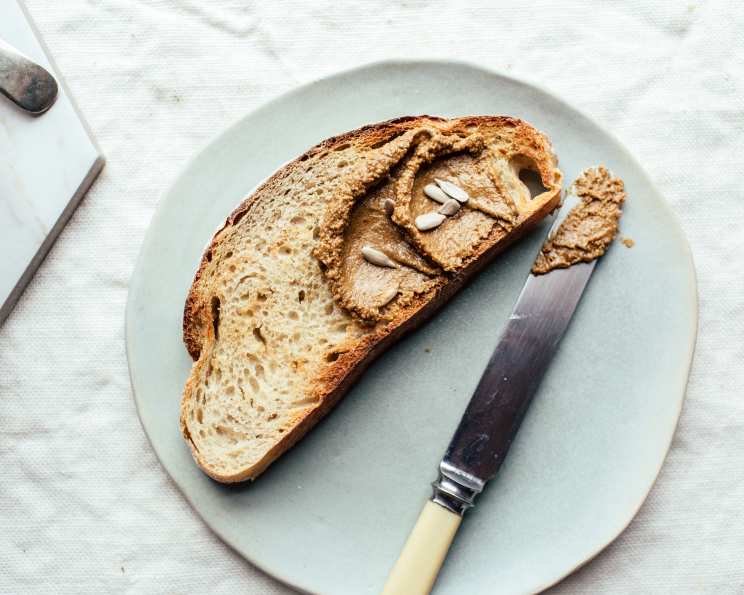
How to Make Your Own Sunflower Seed Butter
Sunflowers have always held a special place in my heart. Growing up, my grandmother had a sprawling sunflower garden that stretched as far as the eye could see. I remember spending summer afternoons wandering through the towering yellow blooms, their faces following the sun. And of course, there were the seeds – a treat we’d crack open and savor, their nutty flavor a reminder of sunny days and simple joys. Now, as a chef, I love finding new ways to use these humble seeds, and making sunflower seed butter is one of my favorite ways to bring a bit of that sunflower-filled nostalgia into my kitchen.
Recipe Overview
- Prep Time: 5 minutes
- Cook Time: 10-15 minutes
- Total Time: 20 minutes
- Yields: ¾ cup
- Dietary Type: Vegan, Gluten-Free, Nut-Free
Ingredients
- 1 cup raw sunflower seeds
- 1-3 tablespoons sunflower oil (or more) or 1-3 tablespoons safflower oil (or more)
- Sugar, to taste (your choice of sweetener)
- Sea salt, to taste
Equipment Needed
- Dry cast iron skillet
- Food processor
Instructions
- Roast the sunflower seeds until they are golden brown. The best method I’ve found is using a dry cast iron skillet over low-medium heat for approximately 10-15 minutes. Keep a close watch and stir frequently to prevent burning. You’ll know they’re ready when they emit a fragrant, nutty aroma and have a beautiful golden hue.
- Set the toasted sunflower seeds aside to cool slightly. Don’t skip this step! Adding hot seeds to the food processor can affect the texture and even damage some models.
- Place the slightly cooled sunflower seeds into a food processor and blend for about 1-2 minutes. Initially, the seeds will look like coarse crumbs. Continue blending until the mixture begins to resemble fine brown sugar. You’ll need to scrape down the sides of the food processor as necessary to ensure even processing.
- With the food processor still running, drizzle in the oil – start with one tablespoon at a time – until the mixture reaches your desired consistency. Whether you choose sunflower or safflower oil is largely a matter of personal preference and availability. Continue to add oil, a tablespoon at a time, until the texture is smooth and creamy, similar to that of peanut butter. You may need more or less oil depending on the power of your food processor and the moisture content of the seeds.
- If you used unsalted seeds, stir in a little sea salt, to taste. Start with a pinch and adjust to your preference. The salt enhances the nutty flavor and brings out the sweetness of the sunflower seeds.
- Stir in your sweetener of choice, to taste. A light drizzle (about ½ teaspoon) of real maple syrup tastes fantastic, but honey, unrefined cane sugar, agave, or barley malt syrup also work beautifully. Remember to taste as you go and adjust the sweetness to your liking.
Expert Tips & Tricks
- Freshness is key: It is very important to be certain the sunflower seeds you use for this recipe are fresh. If the seeds are old or rancid, the butter will have an “off” flavor that no amount of sweetener can mask. Give them a sniff before you start!
- Patience is a virtue: Making seed butter takes time. Don’t be tempted to crank up the speed on your food processor or add too much oil at once. Slow and steady wins the race.
- Warm seeds help: If your food processor is struggling to get the mixture smooth, try gently warming the seeds in the skillet again for a few minutes. This will release the oils and make them easier to blend.
- Don’t overheat the food processor: If you notice the motor of your food processor getting hot, stop and let it rest for a few minutes before continuing. Overheating can damage the motor.
- Adjust the texture: If you prefer a thinner seed butter, add more oil. For a thicker butter, use less oil or add a tablespoon of chia seeds or flaxseed meal.
Serving & Storage Suggestions
Sunflower seed butter is incredibly versatile. Enjoy it spread on toast, crackers, or apple slices. Use it as a dip for celery sticks or pretzels. Add a spoonful to your morning oatmeal or smoothie. You can even use it in baking, as a substitute for peanut butter in cookies or brownies.
To store, use a covered container and refrigerate. Homemade sunflower seed butter will typically last for about 1-2 weeks in the refrigerator. Keep in mind that the oil may separate during storage. If this happens, simply stir it back in before using.
Nutritional Information
Approximate values based on recipe yield, using 1 tablespoon of sunflower oil and a small amount of sugar.
| Nutrient | Amount per Serving | % Daily Value |
|---|---|---|
| Calories | 120 kcal | 6% |
| Total Fat | 9g | 12% |
| Saturated Fat | 1g | 5% |
| Cholesterol | 0mg | 0% |
| Sodium | 10mg | 0% |
| Total Carbs | 6g | 2% |
| Dietary Fiber | 2g | 8% |
| Sugars | 1g | 2% |
| Protein | 4g | 8% |
Variations & Substitutions
- Chocolate Sunflower Seed Butter: Add a tablespoon of cocoa powder and a touch more sweetener for a decadent chocolate twist.
- Spiced Sunflower Seed Butter: Add a pinch of cinnamon, nutmeg, or ginger for a warm and comforting flavor.
- Honey Roasted Sunflower Seed Butter: Toss the sunflower seeds with a drizzle of honey before roasting for a caramelized flavor.
- Seed Combinations: Experiment with adding other seeds like pumpkin seeds or hemp seeds for a unique flavor and nutritional boost.
- Sweetener Alternatives: Try using dates, coconut sugar, or stevia as alternative sweeteners.
- Savory Sunflower Seed Butter: Omit the sweetener and add a pinch of garlic powder, onion powder, and smoked paprika for a savory spread.
FAQs (Frequently Asked Questions)
Q: Can I use salted sunflower seeds for this recipe?
A: Yes, you can, but you’ll want to omit the added salt in step 5 or adjust to taste to avoid an overly salty butter.
Q: My sunflower seed butter is too thick. What should I do?
A: Add more oil, a teaspoon at a time, until you reach your desired consistency. Blend well after each addition.
Q: Can I use a blender instead of a food processor?
A: A high-powered blender might work, but a food processor is generally better suited for this task. Blenders tend to struggle with thicker mixtures.
Q: How can I make this recipe allergy-friendly?
A: This recipe is naturally nut-free, gluten-free, and dairy-free. Just be sure to check the labels of your oil and sweetener to ensure they meet your dietary needs.
Q: Why does my sunflower seed butter taste bitter?
A: This can be due to the type of sunflower seeds used or over-processing. Try to use hulled sunflower seeds and avoid over-processing the mixture. The addition of salt and sweetener can also help to mask any bitterness.
Final Thoughts
Making your own sunflower seed butter is surprisingly easy and incredibly rewarding. Not only does it taste far superior to store-bought versions, but it also allows you to control the ingredients and customize the flavor to your liking. So, gather your ingredients, fire up your food processor, and get ready to experience the deliciousness of homemade sunflower seed butter. And if you’re feeling adventurous, why not try pairing it with some homemade granola for a truly satisfying and wholesome snack? Don’t hesitate to share your creations and feedback! Happy butter-making!